
How Can a Jack Up Working Platform Improve Safety and Efficiency in Offshore Construction
As offshore construction projects become more demanding, reliable access to stable working areas is essential for safe and efficient marine operations. HAIDING SHIPYARD provides marine engineering and modular barge solutions designed to support demanding offshore applications. A Jack Up Working Platform is an important solution for projects that require a stable elevated working surface above the water, helping contractors carry out construction, maintenance, installation, and inspection activities with greater operational control.
A Jack Up Working Platform is a specialized marine structure designed to provide a stable working area in offshore and nearshore environments. By using a jacking system to raise its platform above the water, it can reduce the influence of waves, tides, and changing water conditions on the working surface. This article explains how jack-up platforms operate, their main structural components, typical applications, selection considerations, and the safety practices that help ensure reliable offshore performance. It also highlights what buyers should evaluate when selecting a manufacturer for marine construction projects.
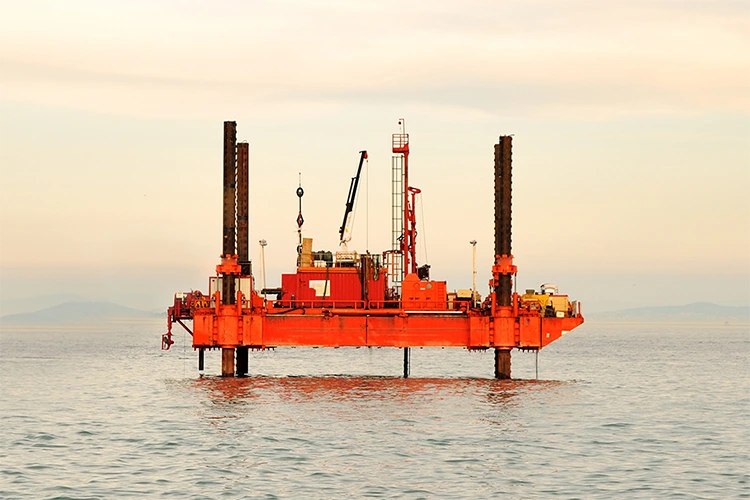
Table of Contents
1. What Is a Jack Up Working Platform?
2. How Does a Jack Up Working Platform Work?
3. Main Components and Structural Features
4. Major Offshore and Marine Applications
5. Key Advantages for Marine Construction
6. How to Select the Right Platform
7. Safety and Maintenance Considerations
8. Jack-Up Platforms vs. Conventional Floating Barges
9. Why Choose an Experienced Shipyard?
10. Frequently Asked Questions
1. What Is a Jack Up Working Platform?
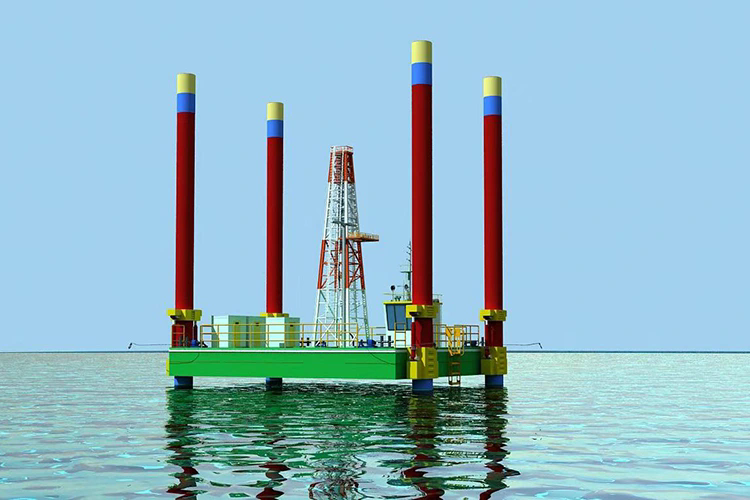
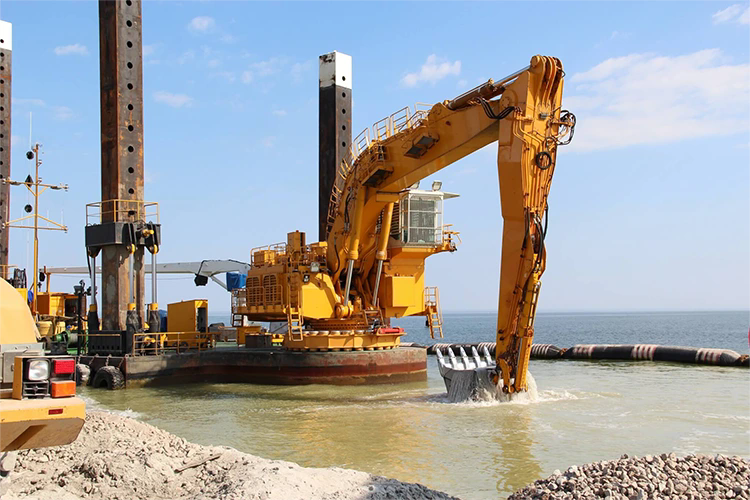
A Jack Up Working Platform is a specialized offshore working structure equipped with legs and a mechanical or hydraulic jacking system. Unlike conventional floating platforms that remain directly supported by buoyancy, a jack-up structure can lower its legs toward the seabed and lift its working deck above the water surface.
This elevated configuration creates a relatively stable working environment for marine construction activities. Once the legs are properly positioned and the platform is elevated according to its approved operating procedure, the working deck is less directly affected by ordinary wave motion and vessel movement.
These platforms are particularly useful in shallow-water and suitable offshore locations where construction teams need dependable access to a specific working area.
Typical project requirements include:
- Offshore construction and infrastructure installation.
- Marine equipment positioning and maintenance.
- Bridge, pier, and coastal engineering projects.
- Offshore foundation preparation and inspection.
- Temporary working areas for marine contractors.
The platform configuration, leg length, structural capacity, and operating water depth must be determined according to the actual project conditions. A properly engineered design is essential for reliable performance.
2. How Does a Jack Up Working Platform Work?
The operating principle of a jack-up platform involves controlled movement between floating transportation mode and elevated working mode. Its legs provide seabed support, while the jacking system controls the vertical movement of the main platform structure.
The general operating process includes the following stages:
- Positioning: The platform is transported to the designated offshore worksite and positioned according to the project plan.
- Leg Lowering: The legs are lowered toward the seabed using the installed jacking equipment.
- Seabed Engagement: The legs make contact with the seabed, and the support conditions are evaluated before further elevation.
- Platform Elevation: The jacking system gradually raises the working deck to the required operating elevation.
- Operational Work: Construction crews and equipment perform the planned marine operations within approved loading and environmental limits.
- Lowering and Relocation: After the project is completed, the platform is lowered, the legs are recovered as designed, and the structure is prepared for relocation.
Every stage requires appropriate operating procedures, equipment inspections, and environmental assessments. In particular, seabed bearing capacity, leg penetration, water depth, and environmental loading must be considered before the platform enters elevated working mode.
3. Main Components and Structural Features
The performance of a Jack Up Working Platform depends on the coordination of its structural, mechanical, and safety systems. Each component must be designed to meet the intended operating conditions and project requirements.
3.1 Main Working Deck
The working deck provides the primary surface for construction personnel, machinery, tools, and supporting equipment. Its dimensions, deck arrangement, and structural strength should correspond to the intended operational loads.
3.2 Jack-Up Legs
The legs are essential structural members that transfer platform loads to the seabed. Their length, cross-sectional configuration, material selection, and structural connections influence the platform's operating capabilities.
3.3 Jacking System
The jacking system controls the vertical movement of the platform relative to its legs. Depending on the design, it may incorporate hydraulic, mechanical, or other engineered lifting arrangements. Reliable synchronization and controlled movement are important for maintaining structural stability.
3.4 Supporting and Safety Systems
Depending on the platform configuration, additional systems may include:
- Power generation and electrical distribution equipment.
- Control systems and monitoring instruments.
- Access ladders, handrails, and protective barriers.
- Deck lifting points and equipment foundations.
- Emergency equipment and communication facilities.
- Anchoring or positioning arrangements where required.
The complete design should integrate these systems into a coordinated marine engineering solution rather than treating individual components as independent equipment.
4. Major Offshore and Marine Applications
A Jack Up Working Platform can support a wide range of offshore and nearshore projects. Its main value is providing an elevated working area where conventional floating equipment may not offer the required working stability.
4.1 Offshore Construction
Marine contractors use jack-up platforms as temporary working bases for construction and installation activities. The elevated deck provides space for personnel, tools, and project equipment while reducing direct exposure to water movement.
4.2 Bridge and Pier Construction
Bridge foundations, pier installation, and coastal infrastructure projects often require temporary marine access. A suitable jack-up platform can provide a working base for piling equipment, inspection teams, and construction machinery.
4.3 Offshore Maintenance and Inspection
Marine structures and offshore facilities require regular maintenance. Jack-up platforms can support inspection equipment, maintenance personnel, and repair operations when the site conditions and platform design are appropriate.
4.4 Dredging and Foundation Preparation
Some marine construction projects involve seabed preparation, foundation work, and equipment positioning. A properly configured working platform can help provide the necessary operational support for these activities.
4.5 Coastal Engineering Projects
Breakwater construction, shoreline protection, and other coastal engineering activities may require stable temporary working areas. Jack-up solutions can be considered when water depth, seabed conditions, and environmental loads are compatible with the design.
5. Key Advantages for Marine Construction
Choosing an appropriately engineered Jack Up Working Platform can offer several practical advantages for offshore contractors.
| Key Advantage | Engineering Benefit | Project Value |
|---|---|---|
| Elevated Working Surface | Raises the deck above the water surface. | Provides a more suitable environment for offshore operations. |
| Reduced Wave Influence | Reduces direct exposure of the working deck to ordinary wave movement. | Improves working conditions within approved operating limits. |
| Seabed Support | Transfers structural loads through the platform legs. | Provides a stable support arrangement when seabed conditions are suitable. |
| Equipment Integration | Allows project-specific machinery and equipment arrangements. | Supports different marine construction requirements. |
| Operational Flexibility | Can be lowered and relocated when designed for transportation and repositioning. | Supports multiple project stages and suitable work locations. |
| Custom Engineering | Allows structural and functional configurations to match project requirements. | Improves compatibility with specific marine applications. |
It is important to understand that a jack-up platform is not automatically suitable for every offshore environment. Its operating limits depend on water depth, seabed characteristics, wave conditions, wind loads, current, and structural design.
6. How to Select the Right Platform
Selecting the right Jack Up Working Platform requires a comprehensive understanding of project requirements. Buyers should evaluate engineering compatibility instead of focusing exclusively on initial purchasing costs.
6.1 Determine Water Depth Requirements
Water depth directly influences leg length, elevation capability, and structural design. Buyers should provide the minimum, normal, and maximum expected water depths at the project location.
6.2 Evaluate Seabed Conditions
Seabed bearing capacity, soil composition, penetration characteristics, and potential scour must be evaluated. These factors determine whether the legs and supporting structures can safely transfer the required loads to the seabed.
6.3 Calculate Working Load Requirements
The platform must accommodate the combined effects of structural self-weight, personnel, machinery, materials, and operational loads. Dynamic effects and environmental loading should also be considered during engineering calculations.
6.4 Consider Deck Dimensions and Layout
The working deck should provide sufficient space for construction equipment, material storage, personnel movement, and maintenance access. Equipment foundations and concentrated loads must be incorporated into the structural design.
6.5 Check Transportation and Relocation Requirements
Some projects require platforms to operate at multiple locations. Buyers should evaluate transportation arrangements, towing requirements, lifting provisions, and relocation procedures before confirming the final configuration.
The following checklist can help buyers prepare an initial technical specification:
- Project location and intended marine application.
- Operating water depth and tidal range.
- Seabed soil investigation information.
- Required deck dimensions and working elevation.
- Maximum operating and equipment loads.
- Environmental conditions, including wind, waves, and current.
- Required lifting, positioning, and power systems.
- Applicable design standards and inspection requirements.
7. Safety and Maintenance Considerations
Marine construction involves changing environmental conditions and complex structural loads. Therefore, safe operation of a Jack Up Working Platform depends on appropriate engineering, qualified personnel, and systematic maintenance.
7.1 Conduct Pre-Operation Inspections
Before deployment, operators should inspect the legs, jacking equipment, structural connections, power systems, control equipment, and emergency facilities. Any identified defects should be assessed and corrected before operation.
7.2 Monitor Environmental Conditions
Wind speed, wave height, current, visibility, and tidal conditions can influence operating safety. Work should remain within the platform's approved environmental operating limits.
7.3 Verify Structural and Seabed Stability
Leg penetration, uneven seabed support, excessive settlement, and potential foundation failure require careful engineering assessment. Appropriate monitoring should be implemented during installation and operation.
7.4 Maintain the Jacking System
Regular inspection and maintenance of mechanical components, hydraulic equipment, electrical controls, and lifting interfaces help reduce the possibility of unexpected equipment failure.
7.5 Establish Emergency Procedures
Operators should prepare emergency response procedures covering equipment malfunction, severe weather, power interruption, evacuation, and other foreseeable offshore risks.
Professional inspection records, maintenance documentation, and operational logs are important parts of a responsible marine equipment management program.
8. Jack-Up Platforms vs. Conventional Floating Barges
Jack-up platforms and conventional floating barges both serve marine construction projects, but their support mechanisms and operating characteristics are different. Understanding these differences helps project managers choose suitable equipment.
| Comparison Factor | Jack Up Working Platform | Conventional Floating Barge |
|---|---|---|
| Primary Support | Legs supported by the seabed in elevated operating mode. | Buoyancy provided by the water. |
| Working Deck | Can be elevated above the water surface. | Remains afloat on the water. |
| Wave Influence | Reduced direct wave influence on the elevated deck. | More directly affected by wave-induced vessel motion. |
| Seabed Requirements | Requires suitable seabed support conditions. | Does not normally require leg-supported seabed foundations. |
| Typical Applications | Offshore construction, installation, and maintenance. | Transportation, cargo handling, and floating work operations. |
| Operational Limitations | Depends on leg design, water depth, soil conditions, and environmental limits. | Depends on buoyancy, stability, mooring, and environmental conditions. |
Neither solution is universally superior. The appropriate choice depends on the project location, construction method, required working conditions, and overall marine engineering plan.
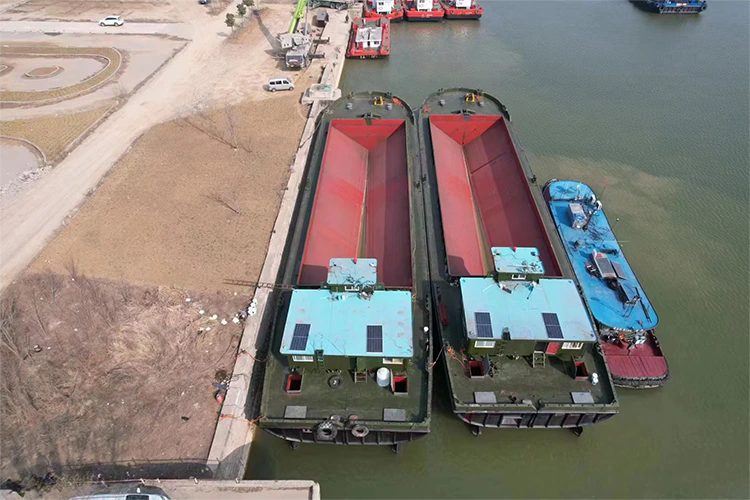
For projects involving modular marine equipment, buyers can also explore HAIDING SHIPYARD modular barge solutions to evaluate other possible platform configurations.
9. Why Choose an Experienced Shipyard?
Choosing a qualified shipyard is an important step in procuring marine working platforms. A reliable manufacturer should understand the relationship between structural engineering, marine operating conditions, fabrication quality, and project-specific requirements.
When evaluating a supplier such as HAIDING SHIPYARD, buyers should pay attention to the following aspects:
- Marine Engineering Experience: The manufacturer should understand marine structural design, platform configuration, and offshore operating requirements.
- Customization Capability: Different projects may require different deck arrangements, leg configurations, equipment foundations, and functional systems.
- Material and Fabrication Quality: Material traceability, welding procedures, fabrication controls, and dimensional inspections are important quality considerations.
- Engineering Documentation: Technical drawings, structural calculations, material documentation, and inspection records should be available as required by the project.
- Quality Control: Manufacturing inspections and appropriate testing procedures help verify that the finished equipment meets agreed specifications.
- Project Communication: Clear technical communication helps ensure that design expectations, delivery requirements, and installation arrangements are properly coordinated.
Manufacturing Quality & Engineering Assurance should be considered throughout the entire production process, from initial engineering discussions and material procurement to fabrication, inspection, and final delivery.
For buyers planning offshore construction projects, early cooperation with an experienced shipyard can help identify technical challenges, optimize equipment configuration, and reduce unnecessary project risks.
10. Frequently Asked Questions
Q1: What is the main purpose of a Jack Up Working Platform?
A Jack Up Working Platform provides an elevated and relatively stable working area for offshore and nearshore construction activities. It is commonly used for marine installation, foundation work, inspection, maintenance, and other operations that require a working deck above the water surface.
Q2: How does a jack-up platform achieve stability?
It uses legs that extend toward and engage with the seabed. The jacking system raises the main working deck above the water, transferring the platform's loads through the legs to the seabed. Actual stability depends on structural design, soil conditions, environmental loading, and proper operating procedures.
Q3: Can a Jack Up Working Platform operate in deep water?
Operating water depth depends on leg length, structural capacity, jacking system configuration, and the platform's approved design limits. Not every jack-up platform is suitable for deep-water operations. Buyers should provide project-specific water depth information for engineering evaluation.
Q4: What factors affect the load capacity of a jack-up platform?
Load capacity is influenced by deck structural strength, leg configuration, seabed bearing capacity, environmental loads, equipment arrangement, and the platform's overall engineering design. Both concentrated and distributed loads should be considered during structural assessment.
Q5: Is a jack-up platform better than a floating barge?
It depends on the application. A jack-up platform is suitable when an elevated working deck and seabed-supported operation are required. A floating barge may be more appropriate for transportation, cargo handling, or projects where continuous flotation is preferred. Project conditions should determine the final selection.
Q6: Can a Jack Up Working Platform be customized?
Yes. Depending on the shipyard's engineering and manufacturing capabilities, platform dimensions, leg arrangements, deck layouts, equipment foundations, power systems, and other functional features can be configured according to project requirements.
Q7: What information should buyers provide when requesting a quotation?
Buyers should provide the intended application, operating location, water depth, seabed information, required deck dimensions, working load, environmental conditions, equipment requirements, and applicable technical standards. These details help the manufacturer prepare a more accurate technical proposal and quotation.
Q8: What should be checked before purchasing a jack-up platform?
Important considerations include engineering design, structural calculations, material specifications, fabrication quality, inspection procedures, operating limitations, documentation, and the manufacturer's ability to meet project-specific requirements. Buyers should also clarify delivery, transportation, commissioning, and after-sales support arrangements.
11. Final Considerations
A Jack Up Working Platform is a valuable marine engineering solution for offshore and nearshore projects that require an elevated working area and seabed-supported operation. Its structural configuration, jacking system, leg design, and working deck must be carefully matched to water depth, seabed conditions, environmental loads, and operational requirements. Selecting the right platform is therefore not simply a matter of choosing equipment dimensions; it requires a comprehensive understanding of the entire project.
For marine contractors, offshore engineering companies, and project developers seeking dependable marine equipment solutions, working with an experienced manufacturer can make a meaningful difference in engineering coordination and fabrication quality. HAIDING SHIPYARD is ready to discuss your marine platform requirements and explore suitable equipment configurations. Whether your project involves offshore construction, marine maintenance, or specialized working platform applications, contact us today to discuss your technical specifications and request a customized solution for your next marine engineering project.
Related News
- What Makes a Jack Up Wind Farm Installation Platform the Smartest Choice for Offshore Wind Projects
- How Can a Jack Up Drilling Platform Improve Offshore Drilling Safety, Stability, and Operational Efficiency
- How Can a Controllable Pitch Propeller Tug Improve Towing Efficiency and Port Maneuverability
- How Can a Jack Up Living Quarter Platform Improve Safety and Efficiency in Offshore Operations
- How Can a Rapidly Emplaced Bridge Transform Emergency Water-Crossing and Infrastructure Recovery
- How Can a Jack Up Wind Farm Installation Platform Transform Offshore Wind Turbine Installation
Leave me a message
News Recommendations