China Environmental Treatment Water Intake Floating Ship Manufacturer and Supplier
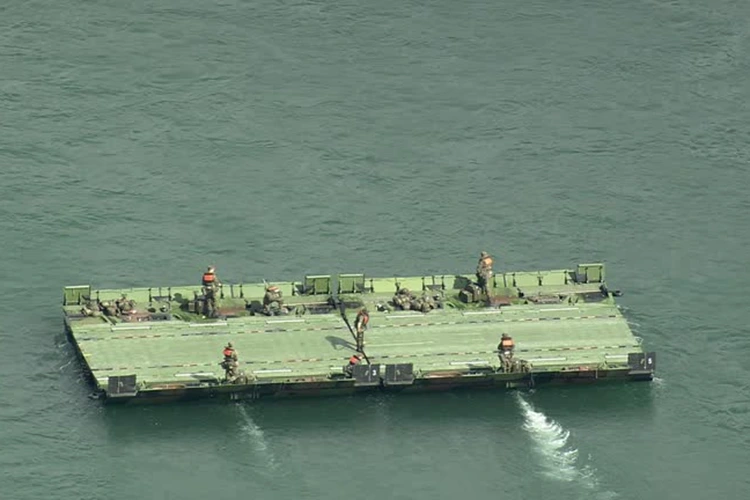
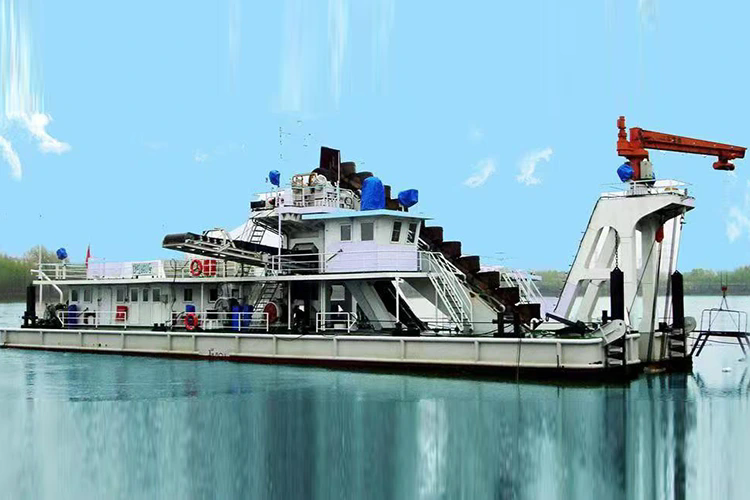
HAIDING SHIPYARD, a professional Chinese manufacturer, supplies the Environmental Treatment Water Intake Floating Ship, an integrated floating-type water-harvesting and pre-treatment unit built for polluted inland water bodies. Built upon decades-long modular barge manufacturing know-how, this equipment bridges intake operation and preliminary water quality adjustment, solving pain points of disjointed water drawing and purification in traditional fixed water intake infrastructure. It merges marine-grade anti-corrosion craftsmanship with environmental-process design to serve municipal waterworks, industrial park wastewater disposal and mining site remediation projects, complying with CCS, ABS and ISO 9001 international quality standards.
What is the Water Intake Floating Ship?
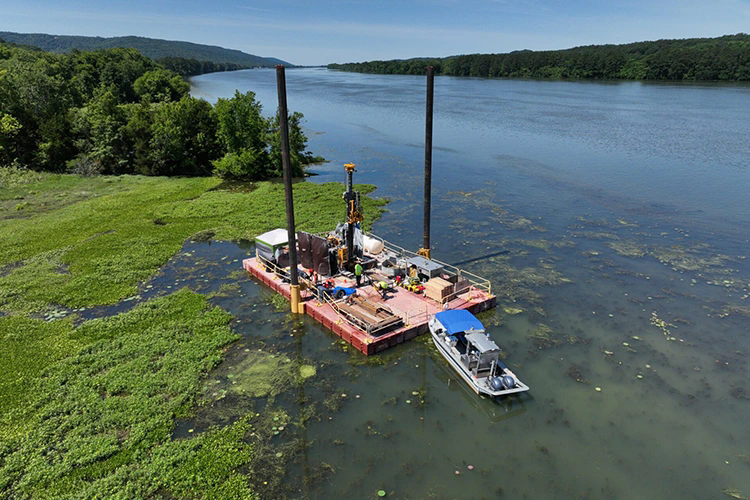
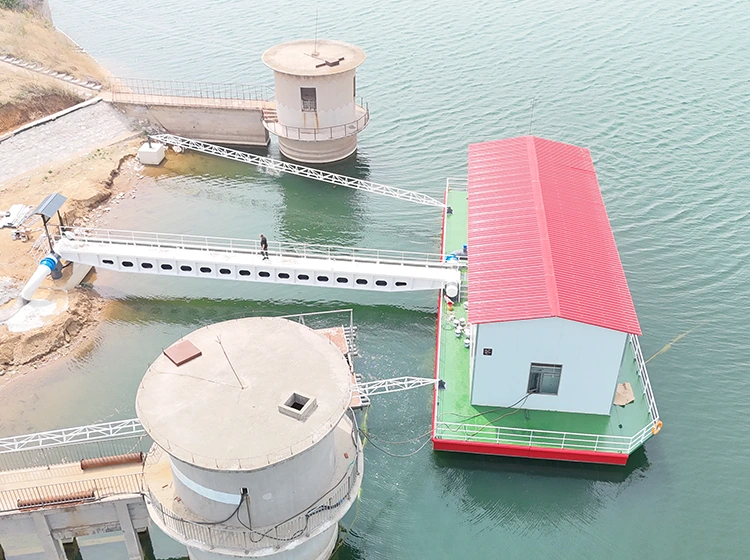
Many conventional water intake devices only finish water collection tasks without considering raw-water quality risks, forcing land-based facilities to bear heavy pre-processing burdens. This Environmental Treatment Water Intake Floating Ship is a purpose-built modular floating platform that combines water intake hardware and onboard pre-treatment modules. It originates from HAIDING SHIPYARD’s sectional floating-ship product matrix and targets scenarios where source-water contains contaminants, acid-alkali components or high-concentration suspended solids.
Unlike regular water-drawing pontoons for clean river or lake sources, this platform adds anti-pollution structural upgrades. It avoids stirring up bottom sediment so secondary pollution will not be triggered during water-collecting work. The whole unit adopts sectional segmented hull design, allowing road-rail split transport and short-cycle on-site assembly. Related derivative equipment includes Polluted Water Treatment Pumping Station for medium-contamination water source assignments.
What Are the Key Features of This Floating Platform?
Project owners working on environmental governance projects face multiple practical obstacles: high retro-fitting expense of land-based workshops, material corrosion caused by polluted water, and strict local emission compliance checks. This floating-type unit brings several measurable on-site advantages:
1. Source-side pre-purification: On-board filtration and pre-treatment assemblies process incoming water right at the intake point, lowering processing load for subsequent land-based water-treatment workshops.
2. Enhanced anti-corrosion hull performance: Special anti-acid, anti-alkali coating and matched pump materials resist chemical erosion from sewage and industrial polluted water bodies, extending whole-unit service lifespan under harsh water-quality conditions.
3. Low-disturbance water-collecting mode: Suction layout prevents stirring up bottom silt, greatly cutting secondary pollution risks during water intake procedures; operating noise stays below 60 decibels to avoid interference to surrounding aquatic habitats.
4. Modular expandable configuration: Users can add or remove functional modules according to changing water-quality indexes without reconstructing the main floating hull frame.
5. Convenient relocation capability: Since it is a sectional floating assembly, the Environmental Treatment Water Intake Floating Ship can be towed or disassembled and transported to new project locations when one-site environmental-governance assignments finish.
Key Information for Choosing the Right Configuration
Before confirming the configuration, several key factors should be considered based on the actual project conditions. The system should be designed according to local water conditions and specific operation requirements instead of using standard configurations.
· Water Quality: Check pH level, chemical composition, and heavy metal content to select suitable hull coatings and pump materials.
· Water Intake Capacity: Define the required daily or hourly water flow to determine the proper pump capacity and filtration system size.
· Water Conditions: Consider water level changes, wind and wave conditions, and flow speed to design the floating structure and mooring system.
· Environmental Requirements: Select monitoring equipment according to local regulations for accurate water quality data collection.
For industrial wastewater treatment projects, additional facilities such as Sewage Treatment Pumping Station can be considered. Based on the collected project information, HAIDING's engineering team can provide a suitable configuration for the Environmental Treatment Water Intake Floating Ship.
Typical Application Scenarios
This floating environmental-governance hardware covers multiple project categories that have polluted source-water. Each scenario puts forward different requirements for module combination.
|
Project Scenario |
Main Equipment Matching Requirements |
|
Municipal raw-water purification |
Pre-filtration + turbidity real-time monitoring module; standard anti-corrosion hull, for reservoir source water with slight contamination |
|
Industrial park sewage collection |
Acid-alkali resistant pump unit, multi-stage impurity interception assembly, enhanced anti-corrosion coating system |
|
Mining-area polluted-water remediation |
Custom-adapted filter assemblies, overload-protection safety setup, anti-slip working platform for on-site operators |
|
River-basin polluted-water treatment project |
Flow-resistant mooring system, expandable pre-treatment modules, data-output interface connected to basin environmental-management platform |
For municipal water-works projects, the Environmental Treatment Water Intake Floating Ship carries pre-purification modules and intelligent sensing units. Real-time indexes such as inflow turbidity and flow rate get recorded, assisting operators to guarantee source-water quality before water enters land-based treatment workshops. For industrial and mining polluted-water assignments, material and functional modules get adjusted to fit special water-body chemical features, realizing stable intake under complex water-quality conditions.
Manufacturing Strength Behind This Environmental-governance Floating Equipment
All floating environmental-treatment intake platforms come out from HAIDING SHIPYARD’s 59400 ㎡ domestic production base located in Shandong Province. Rooted in modular sectional-shipbuilding technology accumulated since 1993, the factory owns 28 core patents and complete independent production lines covering hull cutting, welding, anti-corrosion coating and equipment assembly.
Every Environmental Treatment Water Intake Floating Ship follows classification-society inspection standards. Key welding positions complete non-destructive testing before delivery. Engineers will finish simulated working-condition debugging inside workshops, lowering failure probability after site deployment. The manufacturer possesses coastal and riverside large-capacity assembly berths, supporting production and launching of large-size sectional floating platforms. All core power components select well-known international brands including Weichai and Cummins to guarantee reliability for continuous environmental-governance field operation.
Common Technical Concerns & Practical Answers
Below collects frequent practical doubts raised by environmental-engineering purchasers, combining actual manufacturing experience of HAIDING SHIPYARD:
Q: Can the floating platform keep stable while handling highly corrosive polluted water?
A: Our Environmental Treatment Water Intake Floating Ship applies targeted anti-corrosion coating and matched pump hardware. Under regular polluted-water working conditions, it maintains long-term stable operation; for extremely corrosive water sources, material upgrade options are available.
Q: What is the whole-unit delivery cycle for customized versions?
A: For mature standard configurations, production and factory debugging take around 30-45 working days; projects with heavy-duty custom-modified modules need 45-70 working days, subject to project drawing confirmation progress.
Q: Does installation need large-scale underwater civil-engineering work?
A: Adopting sectional floating pontoon structure, it does not demand underwater foundation pouring. After modules are transported to site, mooring fixing and system commissioning can be finished in a short time window.
Q: Which certification documents can be supplied for project filing?
A: We can provide CCS, ABS and ISO 9001 quality-system relevant certification files, factory inspection reports and material test records for engineering-project review submission.
- View as
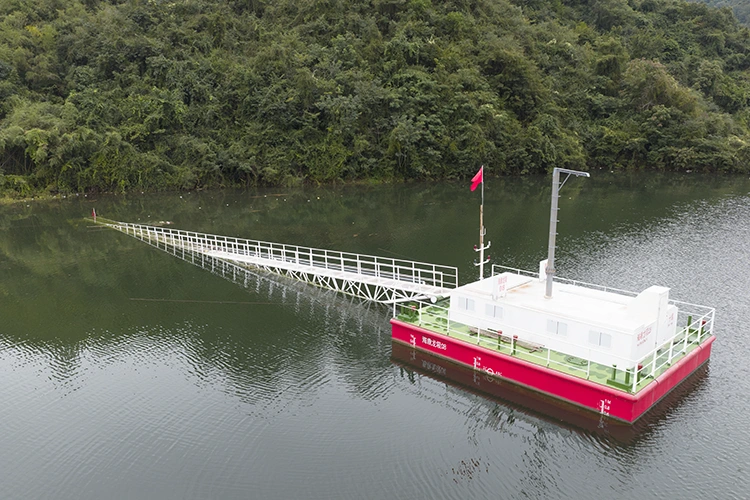
Polluted Water Treatment Pumping Station
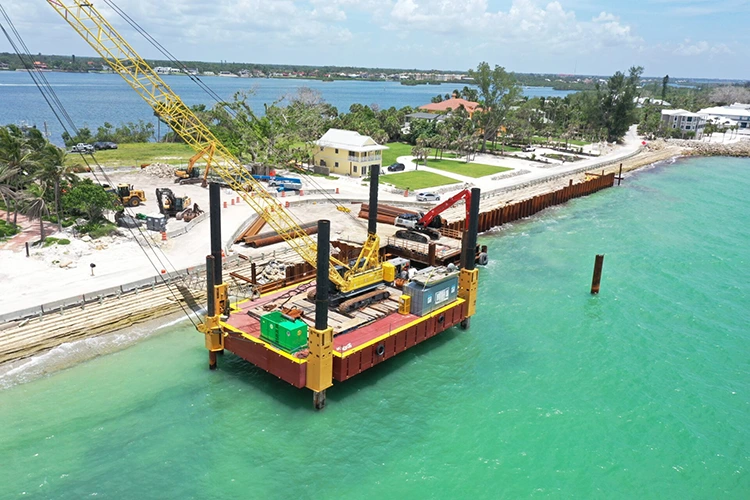
The Polluted Water Treatment Pumping Station is a modular water pumping equipment developed by HAIDING SHIPYARD for industrial and mining environmental protection scenarios. It is specifically designed to handle water bodies with complex medium compositions and dynamic water levels, such as tailings ponds and industrial wastewater pools.
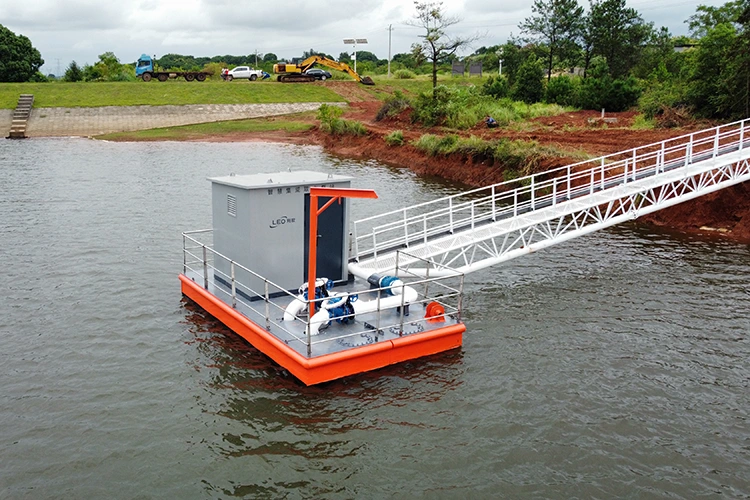
Sewage Treatment Pumping Station
The Sewage Treatment Pumping Station provided by HAIDING SHIPYARD Factory is an aquatic pumping equipment developed based on the experience of ship floating structure engineering. It is specifically designed for complex water bodies such as various sewage ponds, tailings dams, and storage ponds. It breaks away from the traditional logic of constructing concrete pump rooms, integrating the pump unit, filtration system, and operation platform onto a modular floating structure.
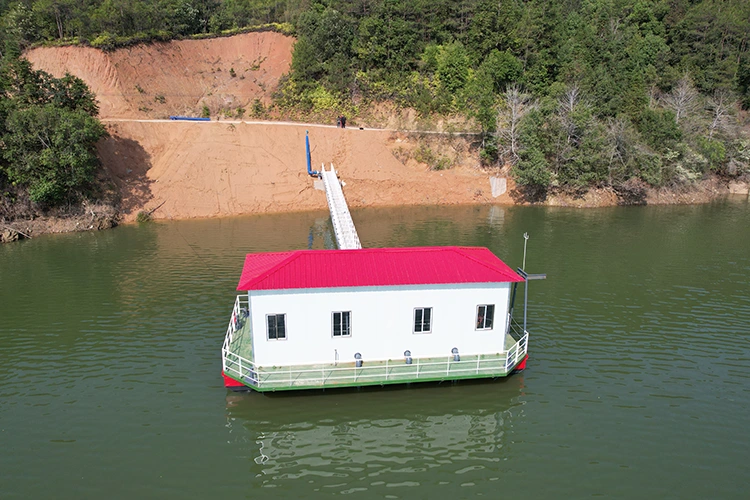
Water Purification Pumping Station
Water Purification Pumping Station is a modular water treatment pumping station developed by HAIDING SHIPYARD a professional manufacturer in China for lake, reservoir, and municipal water supply projects. The floating design can adapt to changes in water levels, while the intelligent monitoring and remote control system enables real-time monitoring of key data such as flow rate, pressure, and turbidity. Welcome to contact us and get a quote now!
HAIDING SHIPYARD is a famous Environmental Treatment Water Intake Floating Ship manufacturer and supplier in China. If you want to buy high-quality and the newest products, please contact us immediately.
News Recommendations