
How Can a Jack Up Drilling Platform Improve Offshore Drilling Safety, Stability, and Operational Efficiency
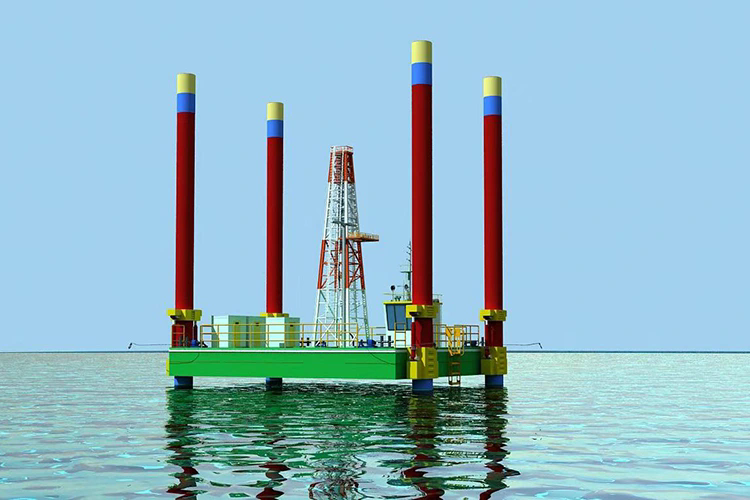
As offshore oil and gas exploration moves into increasingly challenging marine environments, choosing reliable drilling equipment is essential for maintaining operational efficiency and controlling project costs. HAIDING SHIPYARD provides a specialized Jack Up Drilling Platform designed for offshore exploration and development drilling, combining a self-elevating structure, advanced hydraulic jacking technology, integrated drilling equipment, and modular transportation capabilities. With a design suitable for water depths of up to 100 meters and drilling depths of up to 5,000 meters, this platform offers an engineered solution for operators seeking stable drilling conditions, dependable structural performance, and flexible offshore deployment.
A Jack Up Drilling Platform is a self-elevating offshore structure that uses extendable legs to support its hull above the sea surface during drilling operations. Unlike conventional floating drilling vessels, it transfers operational loads directly to the seabed, helping minimize the influence of waves and vessel movement on drilling accuracy. This article explains its operating principles, structural components, drilling systems, technical specifications, modular construction advantages, application scenarios, and essential purchasing considerations. It also explores how HAIDING SHIPYARD approaches platform customization and engineering support for different offshore project requirements.
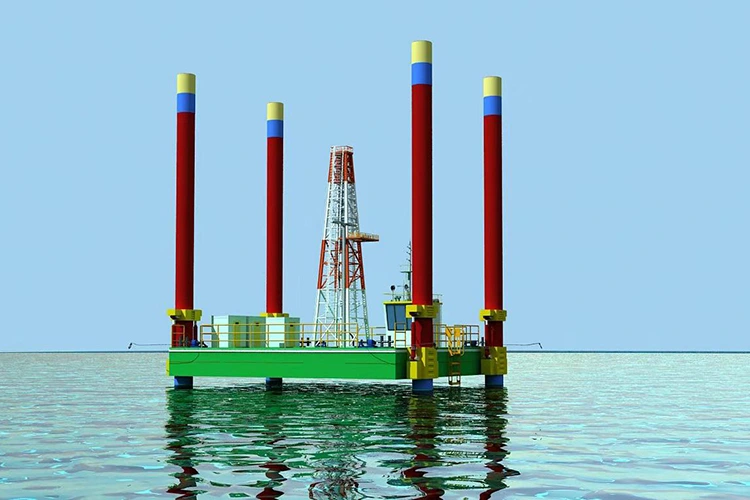
Table of Contents
- 1. What Is a Jack Up Drilling Platform?
- 2. How Does a Jack Up Drilling Platform Work?
- 3. What Are the Main Components?
- 4. Key Technical Specifications and Performance
- 5. Why Is Modular Construction Important?
- 6. How Does It Improve Drilling Efficiency and Safety?
- 7. Major Offshore Applications
- 8. How to Choose the Right Platform?
- 9. Engineering Quality and Customization
- 10. Frequently Asked Questions
- 11. Conclusion
1. What Is a Jack Up Drilling Platform?
A Jack Up Drilling Platform is a mobile offshore drilling unit equipped with several retractable or extendable legs. During transportation, the hull floats on the water while the legs remain elevated. Once the platform reaches its designated drilling location, the legs are lowered until they contact and penetrate the seabed. The jacking system then raises the main hull above the waterline to establish a stable working environment.
This self-elevating configuration is particularly suitable for offshore drilling projects in shallow and intermediate water depths where seabed conditions permit secure leg support.
Compared with floating drilling vessels, a jack-up unit offers several practical advantages:
- Improved operational stability: Supporting the hull on seabed-contacting legs reduces the influence of surface wave motion.
- Precise drilling operations: A stable working deck helps maintain drilling equipment alignment.
- Flexible deployment: Modular structures can simplify transportation and project mobilization.
- Integrated equipment: Drilling machinery, mud circulation systems, and well-control equipment can be incorporated into one platform.
- Adaptable engineering: Leg dimensions, deck arrangements, and equipment configurations can be adjusted according to project conditions.
For offshore operators, these characteristics make the platform a valuable option for exploration, development drilling, and selected well intervention projects.
2. How Does a Jack Up Drilling Platform Work?
The operating principle of a Jack Up Drilling Platform involves controlled movement between floating transportation mode and elevated drilling mode. The jacking mechanism is responsible for raising and lowering the hull along the platform legs.
The general deployment process includes the following stages:
- Site positioning: The platform is transported to the designated offshore location and positioned according to the drilling plan.
- Leg lowering: Hydraulic or mechanical jacking equipment extends the legs until their supporting structures contact the seabed.
- Preloading: Controlled loading helps evaluate seabed bearing conditions and identify potential uneven settlement.
- Hull elevation: The jacking system raises the hull to the required air gap above the water surface.
- Level adjustment: Monitoring equipment checks platform inclination and supports corrective adjustments.
- Drilling operation: Once the required operating conditions are verified, drilling and associated offshore activities can begin.
After the drilling campaign, the platform can lower its hull, retract the legs, and move to another location. Actual operating procedures must follow the approved marine operating manual, environmental limits, and site-specific geotechnical assessment.
3. What Are the Main Components of a Jack Up Drilling Platform?
Reliable offshore performance depends on the coordination of structural, mechanical, hydraulic, and drilling systems. Each component has a specific function in supporting safe and efficient operations.
3.1 Main Hull and Working Deck
The hull provides buoyancy during transportation and supports the drilling equipment, accommodation facilities, storage tanks, and operating areas. Its structural arrangement must accommodate concentrated machinery loads and distributed deck loads.
3.2 Spud Legs and Supporting Foundations
Legs transfer the platform's operational loads to the seabed. Truss-type leg structures provide high structural rigidity while helping reduce overall structural weight. Spud cans or other foundation arrangements distribute loads over the seabed, with their dimensions determined by geotechnical conditions.
3.3 Hydraulic Jacking System
The jacking system controls the vertical movement of the hull. Its lifting capacity, operating speed, synchronization, braking mechanisms, and emergency functions are important considerations for platform safety.
3.4 Drilling and Mud Circulation Systems
The drilling package typically integrates drawworks, rotary equipment, mud pumps, circulation tanks, and solids-control equipment. These systems work together to support drilling operations, transport cuttings, and maintain suitable drilling-fluid properties.
3.5 Monitoring and Well-Control Equipment
Inclination sensors, environmental monitoring equipment, pressure instruments, and well-control systems provide essential operational information. Blowout preventers, choke manifolds, and associated control equipment must be selected according to the well design and applicable safety requirements.
4. Key Technical Specifications and Performance
Technical specifications determine whether a platform can meet the requirements of a particular offshore project. The following table summarizes the published reference configuration of the HAIDING SHIPYARD Jack Up Drilling Platform.
| Parameter Category | Technical Parameter | Reference Specification |
|---|---|---|
| Platform Dimensions | Total Length | 70–90 m |
| Platform Dimensions | Total Width | 25–30 m |
| Platform Dimensions | Platform Depth | 7–8 m |
| Leg Configuration | Number of Legs | 4 truss-type legs |
| Leg Configuration | Leg Length | 30–150 m |
| Operating Conditions | Applicable Water Depth | 3–100 m |
| Jacking Performance | Lifting Speed | 0.2–0.4 m/min |
| Drilling Performance | Maximum Drilling Depth | Up to 5,000 m |
| Drilling Equipment | Rotary Table Torque | Up to 60 kN·m |
| Mud System | Pump Flow Rate | 120 m³/h |
| Mud System | Working Pressure | At least 35 MPa |
| Load Capacity | Total Platform Load | Approximately 3,000 tons |
| Leveling System | Platform Leveling Accuracy | ±0.05° |
| Structural Material | Main Steel | CCSB marine steel plate |
| Corrosion Protection | Protection Method | Marine coating and cathodic protection |
Technical note: These figures represent the published reference configuration rather than universal specifications for every offshore drilling project. Final equipment selection, operating limits, classification requirements, and structural calculations should be confirmed against the project-specific technical documentation.
5. Why Is Modular Construction Important?
Transportation and offshore mobilization can significantly influence the overall cost and schedule of marine engineering projects. Traditional large offshore structures may require specialized transportation arrangements, heavy-lift equipment, and extensive site preparation.
A modular Jack Up Drilling Platform addresses these challenges by dividing the main structure into transportable sections. The HAIDING SHIPYARD reference design uses approximately six to eight modules, with individual module weights of up to 120 tons.
The modular approach provides several advantages:
- Convenient transportation: Individual sections can be transported by road, rail, or suitable deck vessels, depending on dimensions and weight.
- Reduced installation complexity: Standardized connection arrangements can simplify assembly at the designated port or project site.
- Flexible maintenance: Certain damaged or worn structural sections can be replaced without dismantling the entire platform.
- Project scalability: Modular configurations allow equipment layouts and structural arrangements to be adapted to different operational requirements.
- Improved logistics planning: Components can be manufactured, inspected, and transported according to an organized project schedule.
For the published design, on-site assembly is estimated at approximately 10–15 days, subject to transportation, lifting equipment availability, weather, and site conditions.
6. How Does It Improve Drilling Efficiency and Safety?
Offshore drilling efficiency depends on more than drilling depth or equipment power. Platform stability, circulation performance, well control, equipment availability, and crew working conditions all influence the final project outcome.
6.1 Stable Working Conditions
The elevated hull provides a stable operating base compared with a freely floating drilling vessel. Hydraulic leveling and inclination monitoring can further support the maintenance of the required deck position within approved operating tolerances.
6.2 Effective Mud Circulation
Drilling-fluid circulation helps remove cuttings, cool drilling equipment, and maintain borehole stability. A properly configured solids-control system typically combines shale shakers, desanders, desilters, and centrifuges to separate unwanted solids from drilling fluids.
6.3 Improved Equipment Availability
Standby pumps, accessible maintenance areas, spare components, and organized equipment layouts help reduce unnecessary downtime. Preventive maintenance is particularly important for hydraulic systems, jacking mechanisms, drilling machinery, and well-control equipment.
6.4 Comprehensive Safety Management
Safe operations require coordinated engineering controls and operating procedures, including:
- Continuous monitoring of wind speed, wave conditions, and platform inclination.
- Inspection of legs, foundations, structural connections, and jacking equipment.
- Regular testing of emergency power and well-control systems.
- Preloading and seabed assessment before elevating the platform.
- Emergency response planning and crew training.
These measures help operators manage operational risks while maintaining consistent drilling performance.
7. Major Offshore Applications
A Jack Up Drilling Platform can support different offshore activities depending on its structural design, drilling package, water-depth capability, and equipment configuration.
Offshore Exploration Drilling
Exploration projects use drilling platforms to investigate potential hydrocarbon reservoirs and evaluate geological formations. The combination of stable deck conditions and integrated drilling equipment supports accurate drilling operations in suitable offshore locations.
Oil and Gas Field Development
In mature offshore fields, jack-up platforms can drill development wells and directional wells to access different reservoir sections. Their ability to operate at a fixed location makes them useful for planned multi-well campaigns.
Well Workover and Re-entry
Depending on the derrick capacity and equipment arrangement, a suitably configured platform can support selected workover and well re-entry operations, including tubular recovery and fishing activities.
Offshore Engineering Projects
With appropriate engineering modifications, self-elevating platform technology can also support geological exploration, offshore construction, and other marine operations. For projects requiring different working equipment, buyers can explore related solutions such as modular marine engineering platforms and barges.
8. How to Choose the Right Jack Up Drilling Platform?
Selecting an offshore drilling platform requires a comprehensive assessment of operating conditions rather than simply comparing maximum drilling depth or lifting capacity.
Buyers should evaluate the following factors before placing an order:
- Water depth: Confirm that the leg length and jacking configuration are suitable for the intended operating location.
- Seabed conditions: Review soil bearing capacity, geological profiles, penetration requirements, and potential punch-through risks.
- Drilling depth: Match the derrick, drawworks, drill string, rotary equipment, and mud system to the planned well depth.
- Environmental conditions: Consider wind, waves, currents, temperature, and site-specific environmental design criteria.
- Deck load requirements: Calculate the combined weight of drilling equipment, mud tanks, materials, personnel, and auxiliary machinery.
- Transportation limitations: Check road dimensions, port facilities, lifting capacities, module weights, and assembly requirements.
- Certification and compliance: Verify applicable classification society requirements and statutory approvals for the intended operating jurisdiction.
- After-sales support: Evaluate spare-parts availability, technical documentation, maintenance guidance, and commissioning assistance.
A detailed technical discussion with the shipyard before manufacturing can help reduce design changes, transportation difficulties, and commissioning delays.
9. Engineering Quality and Customization
Offshore equipment operates in an environment characterized by saltwater corrosion, cyclic loading, changing weather conditions, and demanding mechanical requirements. Consequently, engineering quality must be considered throughout the entire manufacturing process.
HAIDING SHIPYARD develops its Jack Up Drilling Platform around project-specific marine engineering requirements, with attention to structural strength, equipment integration, modular construction, and operational adaptability.
Key engineering considerations include:
- Marine-grade steel selection: The published configuration uses CCSB marine steel plates for primary structural components, with suitable steel grades and thicknesses determined by engineering calculations.
- Structural integrity: Main beams, deck structures, leg connections, and supporting foundations require appropriate strength and fatigue assessments.
- Corrosion protection: Marine coating systems and cathodic protection help protect submerged and exposed steel structures against corrosion.
- Hydraulic system reliability: Properly selected hydraulic components and monitoring devices support synchronized jacking and leveling operations.
- Equipment integration: Drilling machinery, mud circulation systems, electrical equipment, and safety systems must be coordinated within the available deck space.
Customization may include adjusting leg lengths, spud can dimensions, deck arrangements, lifting capacity, and auxiliary systems according to water depth, seabed characteristics, drilling requirements, and environmental conditions.
For more information about the shipyard's manufacturing capabilities and marine engineering background, visit the HAIDING SHIPYARD official website.
10. Frequently Asked Questions
Q1: What is the main purpose of a Jack Up Drilling Platform?
A: Its primary purpose is to provide a stable offshore working structure for oil and gas exploration and development drilling. Its legs extend to the seabed and raise the hull above the water surface, creating a more stable drilling environment in suitable water depths.
Q2: What water depth can a Jack Up Drilling Platform operate in?
A: The HAIDING SHIPYARD published reference design is intended for water depths of approximately 3–100 meters. Actual operating suitability depends on leg length, foundation design, seabed bearing capacity, environmental loads, and project-specific engineering calculations.
Q3: What is the maximum drilling depth of this platform?
A: The published drilling configuration supports a maximum drilling depth of up to 5,000 meters. The actual achievable depth depends on the well design, drill string capacity, drawworks performance, drilling equipment configuration, and operating conditions.
Q4: How does the platform remain stable during offshore drilling?
A: The platform lowers its legs to the seabed and uses a jacking system to elevate the hull above the water. Foundation design, preload procedures, inclination monitoring, and hydraulic leveling work together to maintain the required operating position.
Q5: Can the Jack Up Drilling Platform be customized?
A: Yes. Important customization options include platform dimensions, leg length, spud can configuration, deck layout, drilling equipment, hydraulic systems, and environmental protection measures. Customization should be based on the project's water depth, seabed investigation, drilling plan, and applicable regulations.
Q6: What materials are used in the platform's main structure?
A: The published configuration specifies CCSB marine steel plates for the main structure. Appropriate material grades, plate thicknesses, welding procedures, inspection requirements, and protective coatings should be confirmed through the approved engineering documentation.
Q7: What are the advantages of a modular Jack Up Drilling Platform?
A: Modular construction simplifies transportation, improves assembly flexibility, and can make maintenance or replacement of individual sections more manageable. It is particularly useful for projects where transportation infrastructure and heavy-lift capabilities are limited.
Q8: What information should buyers provide when requesting a quotation?
A: Buyers should provide the intended operating water depth, seabed conditions, target drilling depth, environmental design criteria, required deck loads, equipment configuration, transportation limitations, and applicable certification requirements. These details help the shipyard prepare a more accurate technical proposal and quotation.
11. Conclusion: Choosing a Reliable Jack Up Drilling Platform Partner
A well-engineered Jack Up Drilling Platform is an important investment for offshore exploration and development projects. Its self-elevating structure, seabed-supported foundation, integrated drilling systems, and modular construction can provide valuable advantages in operational stability, transportation flexibility, equipment integration, and long-term project management.
However, successful offshore operations depend on matching platform specifications to actual water depth, seabed conditions, drilling objectives, and environmental requirements. Working with an experienced marine engineering manufacturer is therefore essential when evaluating structural design, equipment configuration, manufacturing quality, and technical support. HAIDING SHIPYARD provides marine engineering and shipbuilding solutions for customers seeking customized offshore platforms and other specialized marine equipment. If you are planning an offshore drilling project or looking for a dependable Jack Up Drilling Platform manufacturer, contact us today to discuss your technical requirements, request a customized engineering proposal, and obtain a competitive quotation for your next marine project.
Related News
- What Makes a Jack Up Wind Farm Installation Platform the Smartest Choice for Offshore Wind Projects
- How Can a Jack Up Working Platform Improve Safety and Efficiency in Offshore Construction
- How Can a Controllable Pitch Propeller Tug Improve Towing Efficiency and Port Maneuverability
- How Can a Jack Up Living Quarter Platform Improve Safety and Efficiency in Offshore Operations
- How Can a Rapidly Emplaced Bridge Transform Emergency Water-Crossing and Infrastructure Recovery
- How Can a Jack Up Wind Farm Installation Platform Transform Offshore Wind Turbine Installation
Leave me a message
News Recommendations