China Sectional Jack Up Barge Supplier
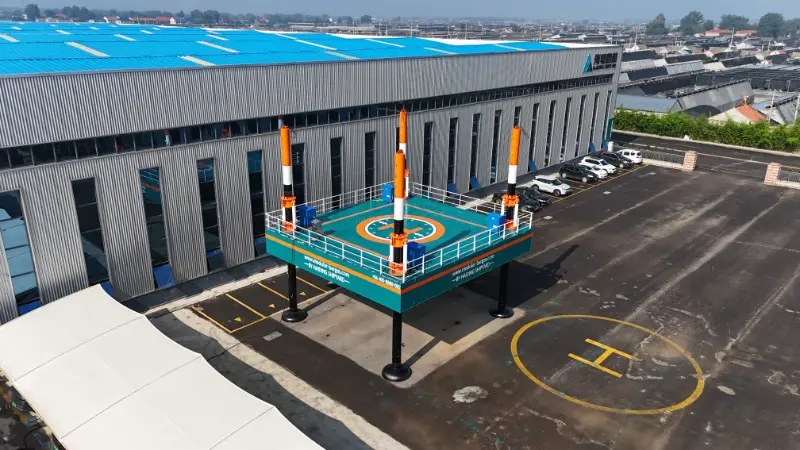
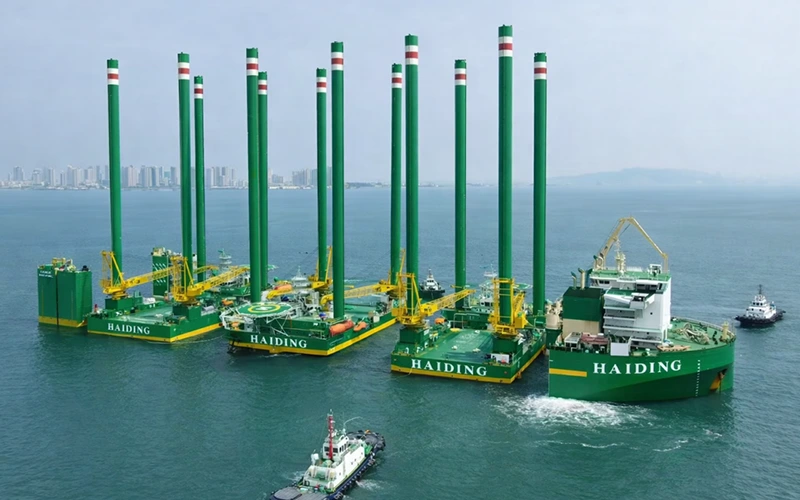
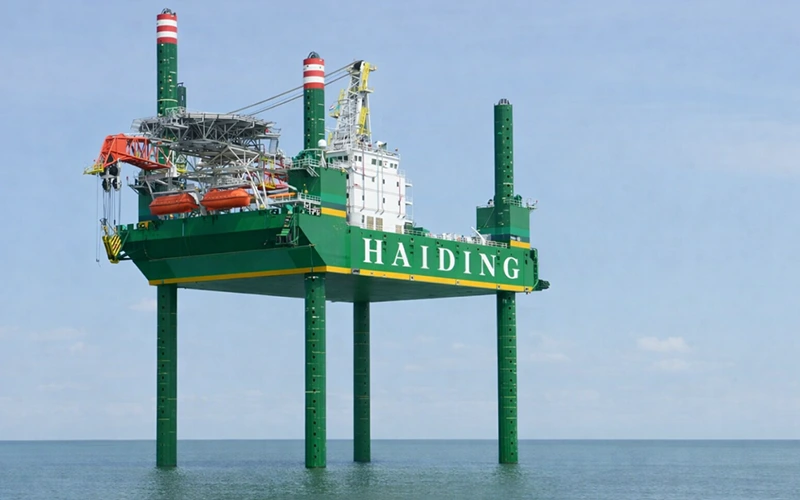
Sectional Jack Up Barge is a modular self-elevating work platform developed for marine construction, dredging, offshore lifting, drilling, wind power installation and other projects where a stable working deck is required. HAIDING SHIPYARD combines sectional hull construction with spud legs and a hydraulic or mechanical jacking system, allowing large platforms to be transported in separate modules and assembled close to the project site.
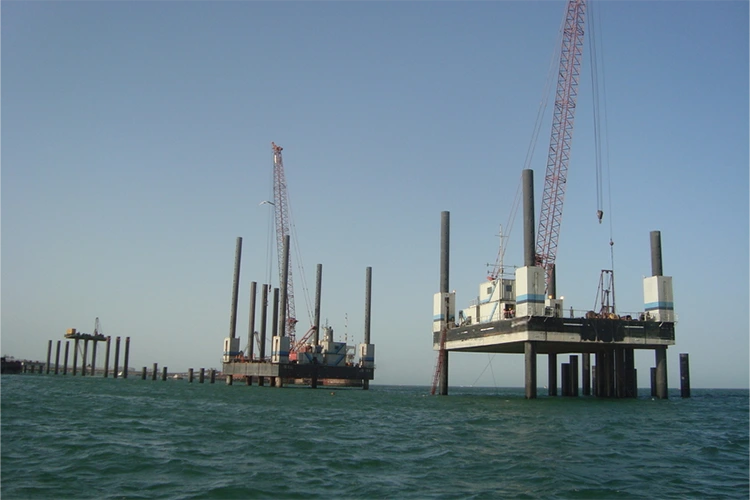
The key difference is the way the platform works. After reaching the designated location, the spud legs are lowered to the seabed and the hull is lifted above the water. This creates a relatively stable working surface for cranes, excavators, drilling equipment and other machinery, reducing the effect of wave movement during construction. The platform can therefore be configured according to the actual equipment, water depth, seabed conditions and working load of the project.
Main Advantages
Modular Transportation
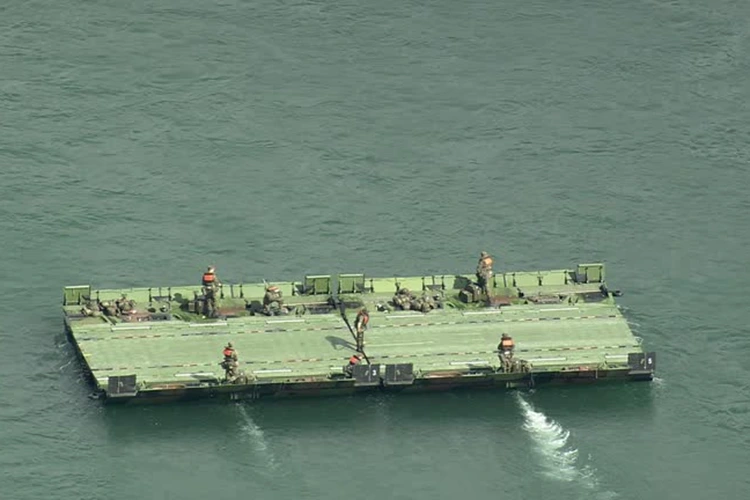
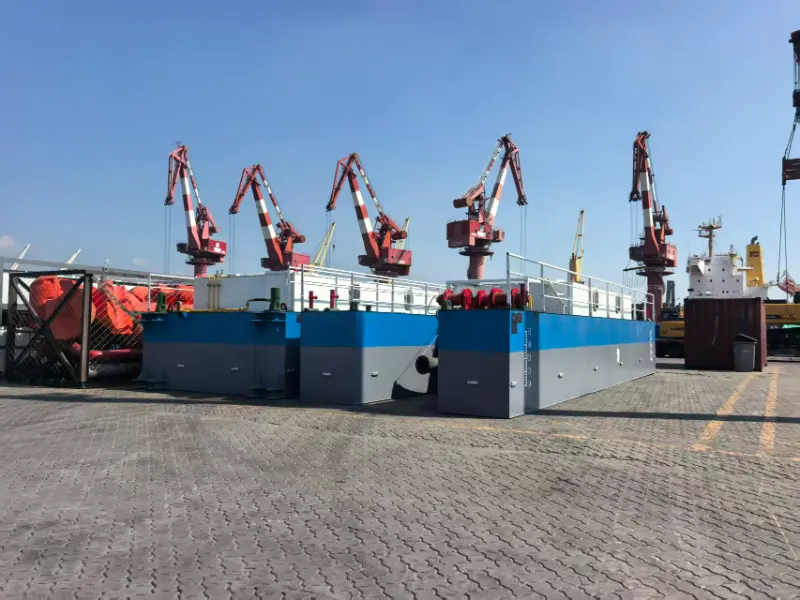
Large marine platforms are not always easy to move as a complete vessel, especially when the project site has limited water access. The sectional design allows the hull to be divided into transportable units and assembled at the destination. This gives contractors more flexibility when working at inland waterways, coastal sites and remote construction areas.
Stable Working Platform
Once the spud legs are firmly supported on the seabed, the hull can be raised to the required operating height. The working deck is separated from most surface movement, providing a more suitable foundation for lifting, drilling, excavation and other precision operations.
Flexible Configuration
The platform is not limited to one type of equipment. Depending on the project, the deck can be arranged for hydraulic excavators, marine cranes, drilling rigs, generators, construction materials, workshops or accommodation modules. Hull dimensions, deck capacity, leg length and equipment arrangement can be developed around the actual operating requirements.
Built for Different Projects
HAIDING SHIPYARD can develop self-elevating platforms for different water depths and operating conditions. The design process considers seabed bearing capacity, leg penetration, environmental loads, equipment weight and deck load distribution, helping ensure that the platform matches the real working environment rather than relying only on nominal tonnage.
Typical Applications
A Sectional Jack Up Barge can serve as a working base for a wide range of marine engineering projects. Common applications include waterway and seabed excavation, port construction, bridge construction, offshore wind installation, marine equipment maintenance, geological exploration, drilling and heavy lifting.
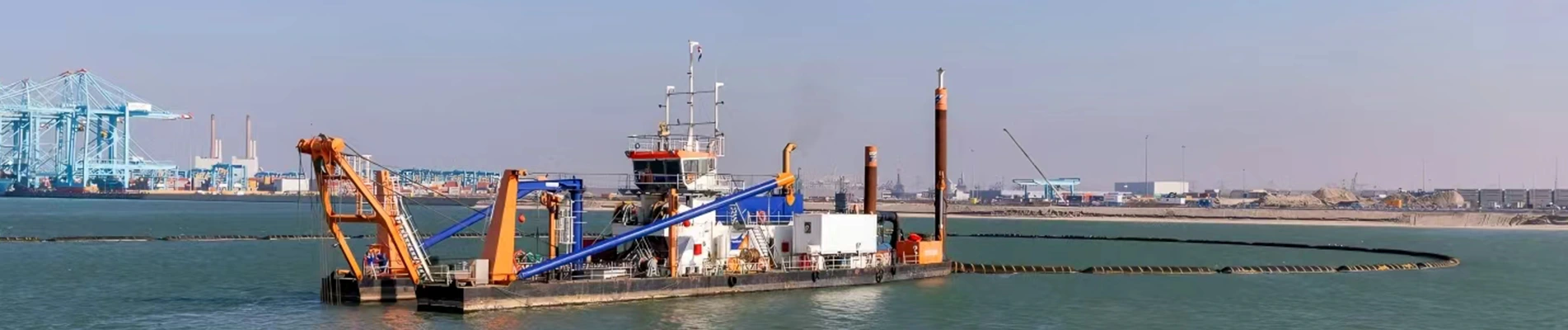
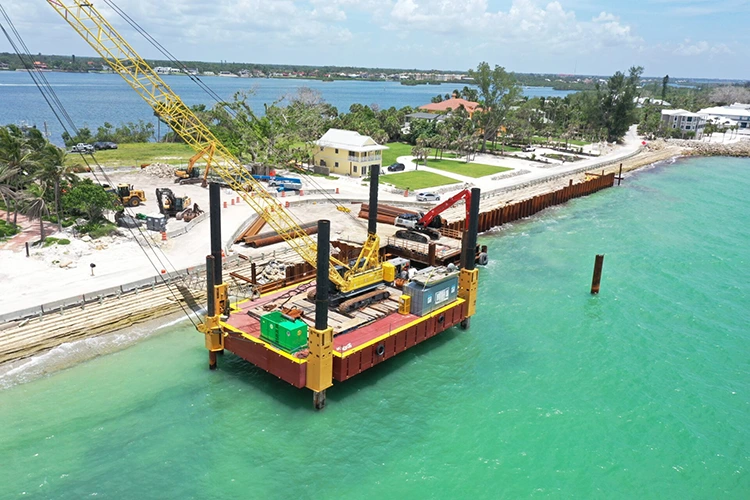
For dredging-related projects, the platform can carry excavators and supporting equipment for underwater excavation. For construction work, it can provide a stable base for cranes and material handling. For offshore wind projects, the deck can be configured for installation equipment and component handling.
Engineering Options
HAIDING SHIPYARD can configure the platform according to the project requirements, including hull size, deck load, spud leg length, jacking capacity, crane arrangement, excavation equipment, drilling equipment and auxiliary systems.
For projects with restricted transportation access, the sectional hull can be designed around the available road, rail or water transportation conditions. For shallow-water or soft-seabed applications, leg configuration and penetration requirements can be evaluated during the engineering stage.
The final configuration depends on the intended water depth, seabed conditions, operating environment and equipment to be installed.
Technical Reference
|
Item |
Reference Range |
|
Operating Water Depth |
3–100 m |
|
Spud Leg Length |
10–150 m |
|
Maximum Platform Load |
Up to 3,000 tons |
|
Deck Uniform Load |
≥80 kN/m² |
|
Platform Leveling Accuracy |
Approx. ±0.1° |
|
Main Section Configuration |
Approx. 5–8 sections |
|
Available Functions |
Lifting, excavation, drilling, maintenance, exploration and more |
These are reference values for typical configurations. Actual specifications are engineered according to project conditions and equipment requirements.
Why HAIDING SHIPYARD
HAIDING SHIPYARD has experience in the design and construction of engineering vessels and modular marine structures. Its production and engineering capabilities cover hull fabrication, structural assembly, marine equipment integration and project-specific customization.
The company holds GB/T 19001-2016 / ISO 9001:2015, GB/T 23331-2020 / ISO 50001:2018, RB/T 119-2015 and GB/T 45001-2020 / ISO 45001:2018 related certifications.
Whether the project requires a compact platform for inland construction or a larger self-elevating platform for offshore engineering, HAIDING SHIPYARD can develop the hull, spud legs and working equipment around the actual project requirements.
Send us your water depth, required deck load, equipment type and project location to discuss a suitable sectional jack-up configuration.
FAQ
What is a Sectional Jack Up Barge?
A Sectional Jack Up Barge is a modular self-elevating work platform that uses spud legs and a jacking system to raise its hull above the water. It provides a stable working deck for marine construction, dredging, lifting, drilling and offshore wind projects.
What is the difference between a sectional jack-up barge and a conventional barge?
A conventional barge remains afloat during operation and is therefore affected by waves and vessel movement. A jack-up barge lowers its legs to the seabed and raises the hull, creating a more stable working platform for fixed-position operations.
Why is the barge designed in sections?
The sectional design makes a large platform easier to transport to locations where a complete vessel cannot be delivered. The modules can be transported separately and assembled at or near the project site.
What equipment can be installed on the platform?
The deck can be configured for marine cranes, hydraulic excavators, drilling rigs, generators, welding equipment, material storage systems and other project-specific equipment. Equipment layout is determined by deck loading, working radius and the intended application.
What water depth can a Sectional Jack Up Barge operate in?
The reference operating water depth can range from approximately 3 to 100 m. The actual range depends on spud leg length, seabed conditions, required leg penetration, environmental loads and platform configuration.
How are the spud legs selected?
Spud legs are selected according to water depth, seabed soil conditions, required penetration, platform load and environmental forces. For soft seabeds, leg-end configuration and bearing area are particularly important for controlling penetration and platform stability.
What is the maximum load capacity?
HAIDING SHIPYARD reference configurations can reach a platform load capacity of approximately 3,000 tons. The actual capacity depends on hull dimensions, structural design, equipment weight and load distribution across the working deck.
Can the platform be customized for dredging?
Yes. The platform can be designed to carry hydraulic excavators and other dredging equipment. The deck structure, equipment arrangement and local reinforcement can be developed according to the excavation method and equipment specifications.
- View as
Jack Up Living Quarter Platform
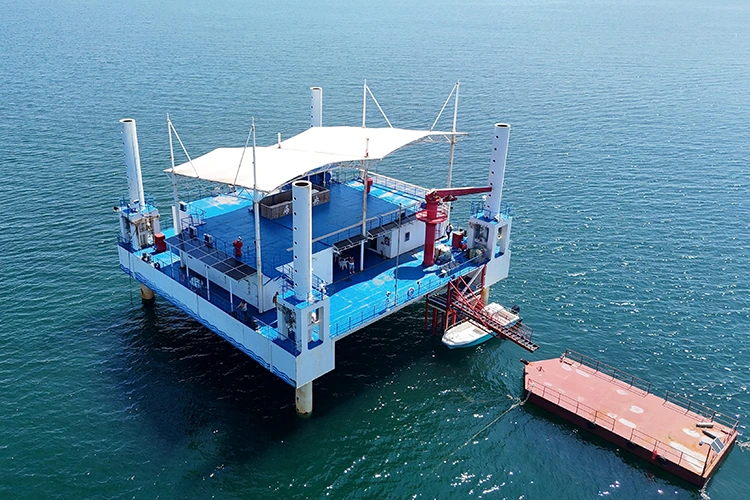
HAIDING SHIPYARD Jack Up Living Quarter Platform made in China is designed for operations in water depths of 3–100 meters, featuring leg lengths of 20–100 meters and a total payload capacity of 3,000 tonnes. Certified by ABS, CCS, and DNV for offshore platforms, it serves the offshore oil & gas, wind power, and deep-sea engineering sectors, supporting long-term offshore stays for personnel ranging from 30 to 180 days. Please contact us!
Jack Up Wind Farm Installation Platform
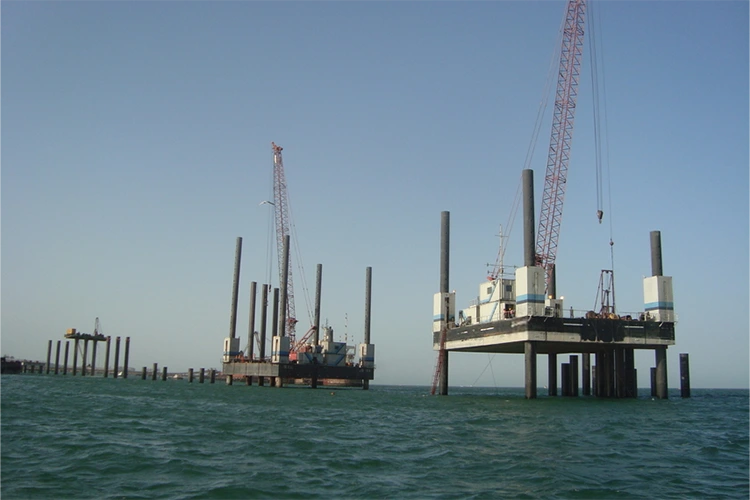
Offered by HAIDING SHIPYARD, this Jack Up Wind Farm Installation Platform serves buyers requiring robust offshore lifting capabilities. Built for 16MW+ turbines in 3–100m depths, it features an 800t crane, 150m legs, and 3,000t payload in modular, transportable sections. As a China supplier with over three decades of shipbuilding experience, we deliver modular, transportable solutions that can be road-shipped and rapidly assembled at project sites worldwide.
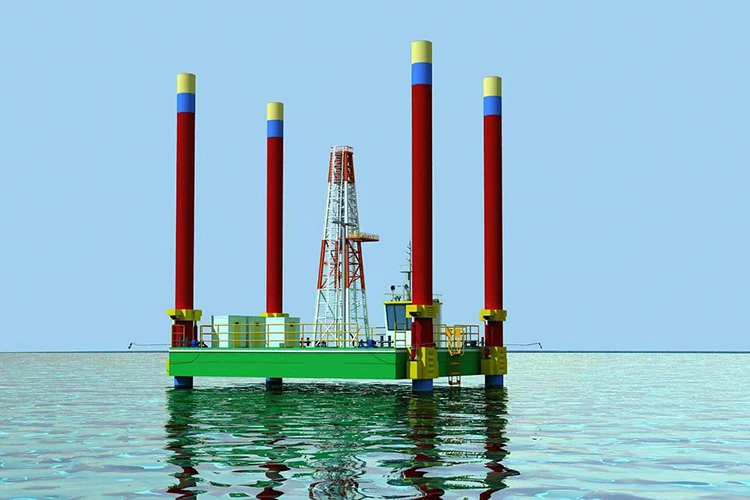
Jack Up Drilling Platform
As a China manufacturer with 30+ years in marine construction, HAIDING SHIPYARD Jack Up Drilling Platform is a self‑elevating rig for exploration and development wells in water depths to 100 m. The drilling package handles 5,000‑m total depth with a mud system that maintains borehole stability through reactive shales, plus a rotary table delivering the torque needed for directional work. We ship the platform in road‑transportable sections – reducing site assembly time and getting you spudding weeks sooner than conventional rig moves.
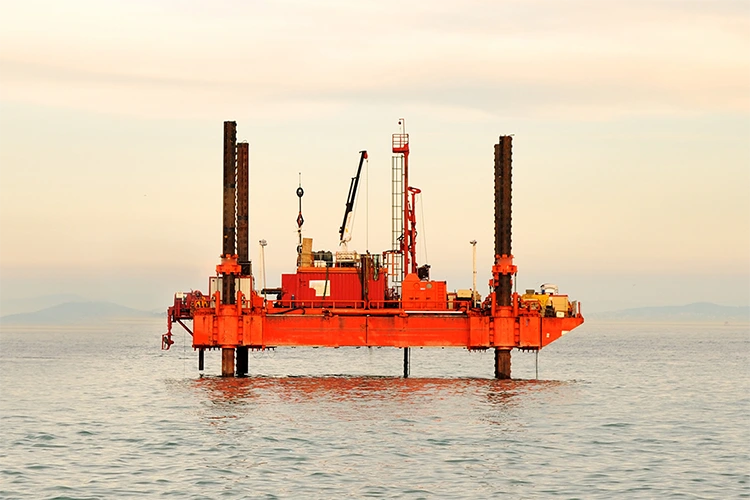
Jack Up Working Platform
Available for international ocean projects via HAIDING SHIPYARD Jack Up Working Platform China wholesale supply, this self‑elevating unit replaces multi‑vessel charters with a single modular hull. Operators swap crane, storage, and workshop decks directly on site. Built in transportable sections, it lowers mobilization costs for global fleets.
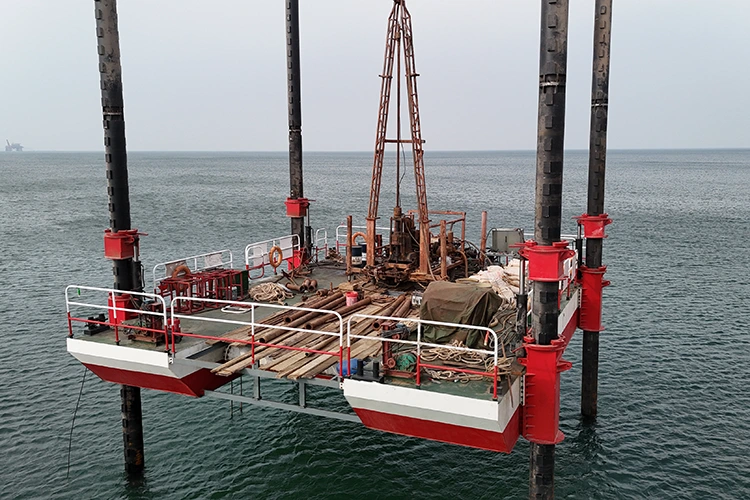
Maintenance Self-elevating Platform
As a specialized manufacturer and supplier of offshore engineering equipment in China, HAIDING SHIPYARD offers a Maintenance Self-elevating Platform designed for operations across the full water-depth range (3–100 meters). Equipped with high-precision leveling and modular O&M systems, the platform withstands Beaufort scale 11 winds, significantly shortens offshore maintenance cycles, and is highly adaptable to various offshore engineering maintenance scenarios.
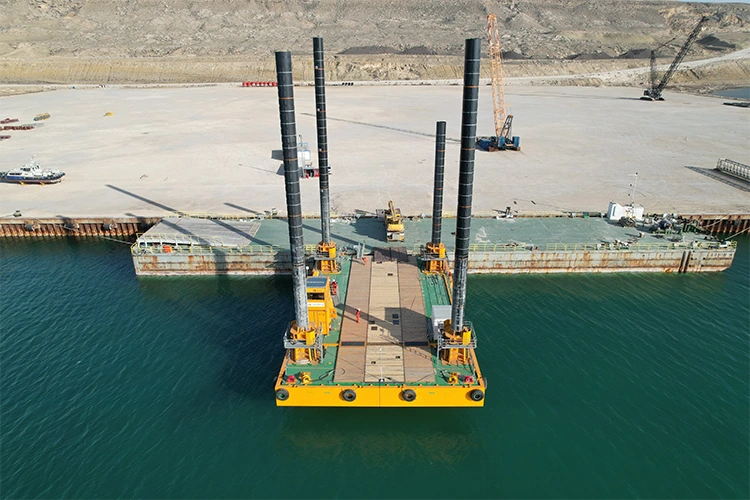
Excavation Self-elevating Platform
HAIDING SHIPYARD is a specialized Chinese manufacturer and global supplier of Excavation Self-elevating Platform. Equipped with a 200-ton class fully hydraulic underwater excavation system, these platforms offer high precision, high capacity, and robust resistance to wind and waves. They are widely used in projects such as channel dredging, seabed excavation, and island infrastructure construction, supporting modular customization and global project delivery.
HAIDING SHIPYARD is a famous Sectional Jack Up Barge manufacturer and supplier in China. If you want to buy high-quality and the newest products, please contact us immediately.
News Recommendations