Split Hopper Barge
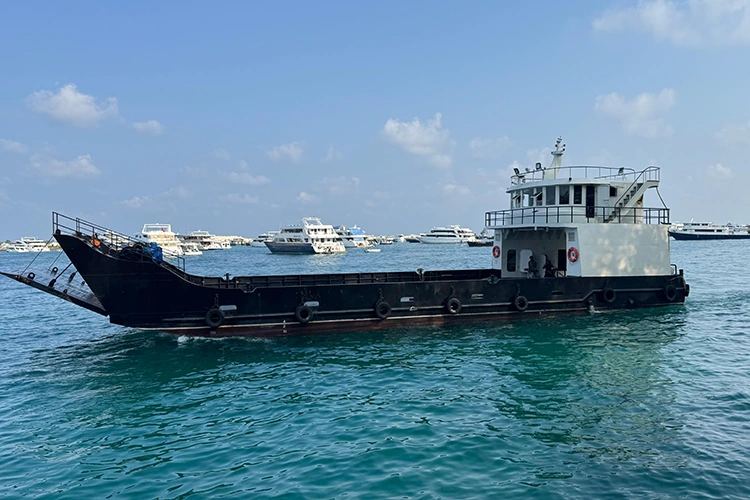
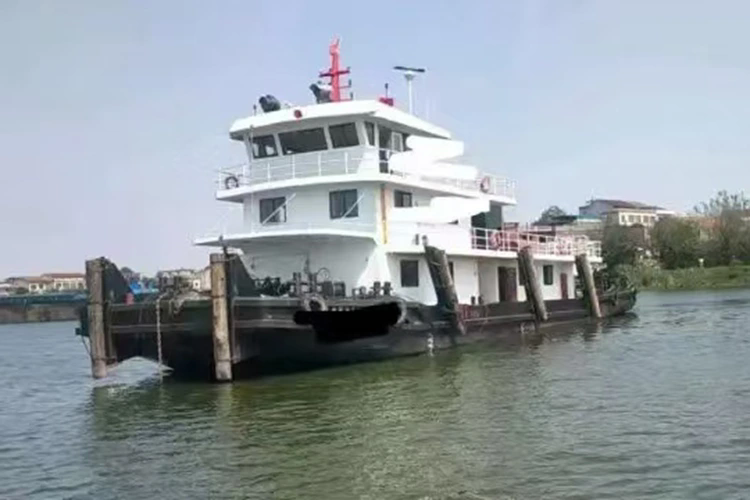
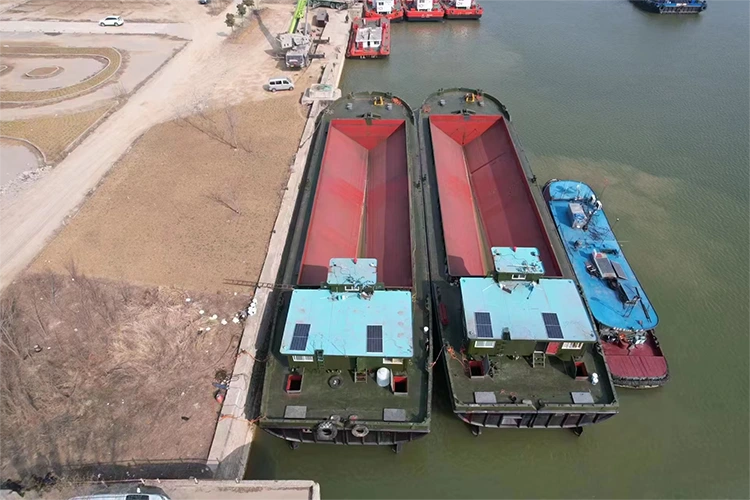
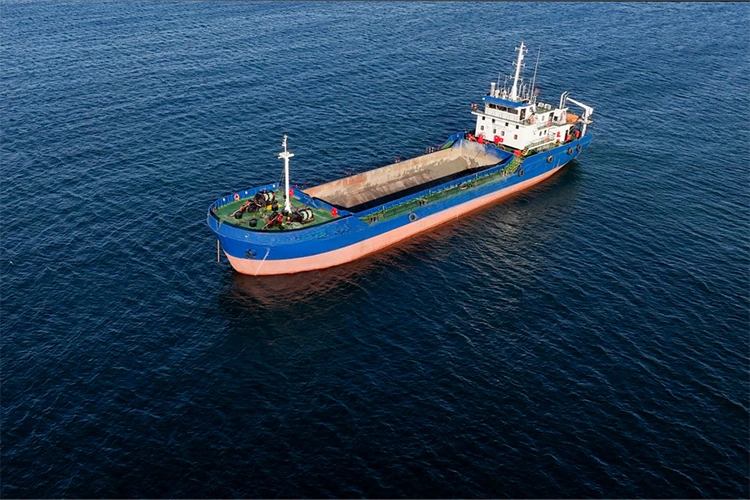
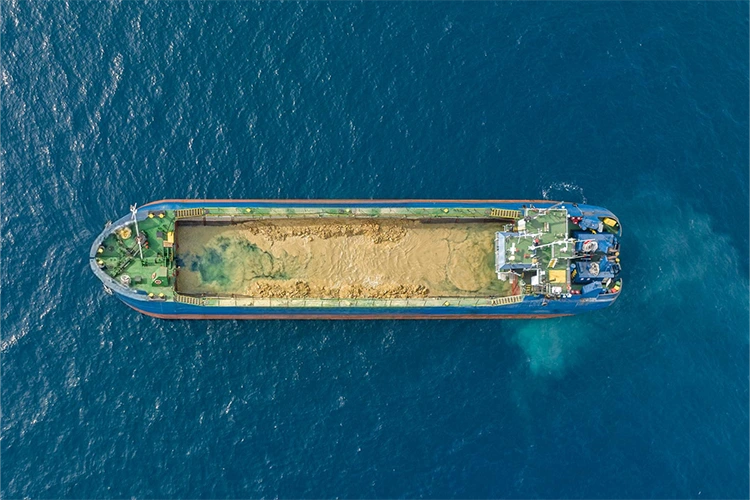
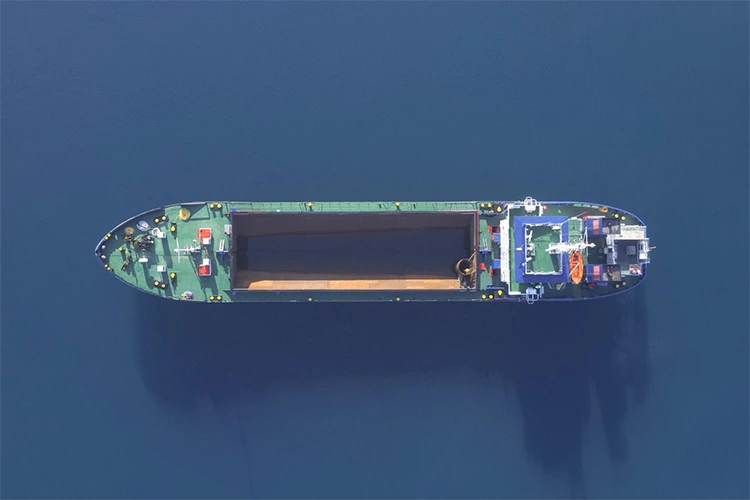
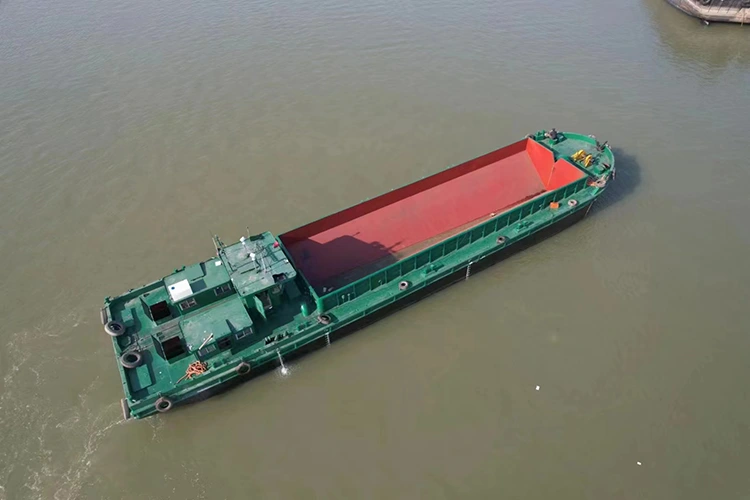
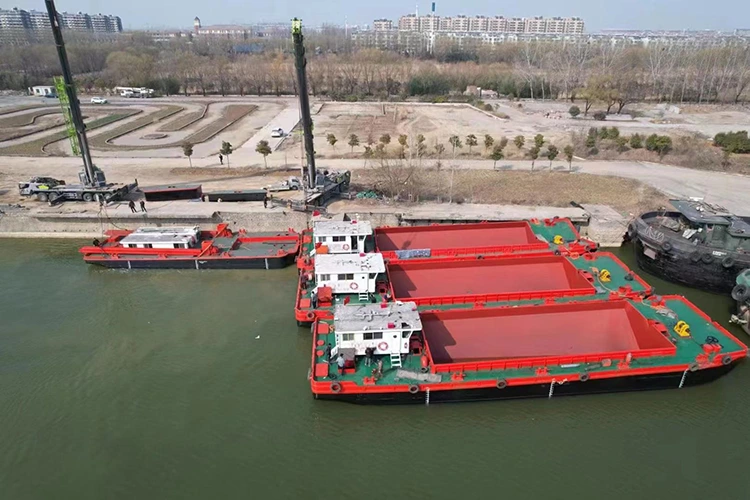
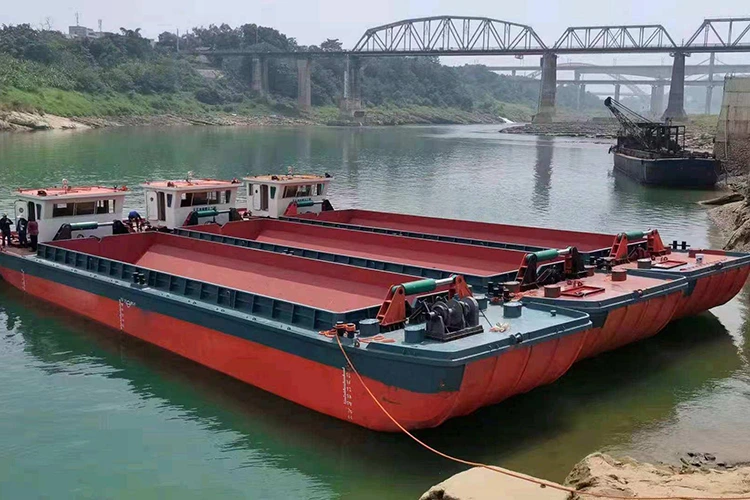
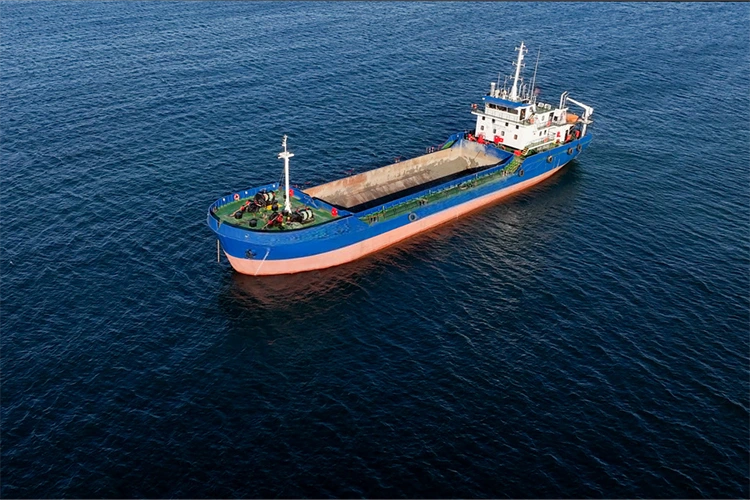
HAIDING SHIPYARD manufactures Split Hopper Barges for dredging, land reclamation, port construction and bulk material transport. Available with 50–2,000 m³ hopper capacity and 1.2–2.8 m draft, the vessel uses a hydraulic split-hull system for direct bottom discharge of silt, sand, gravel and construction waste. Q460 hull steel, NM450 wear-resistant hopper plates, customized towing systems and optional mud pump, GPS and load monitoring interfaces are available.
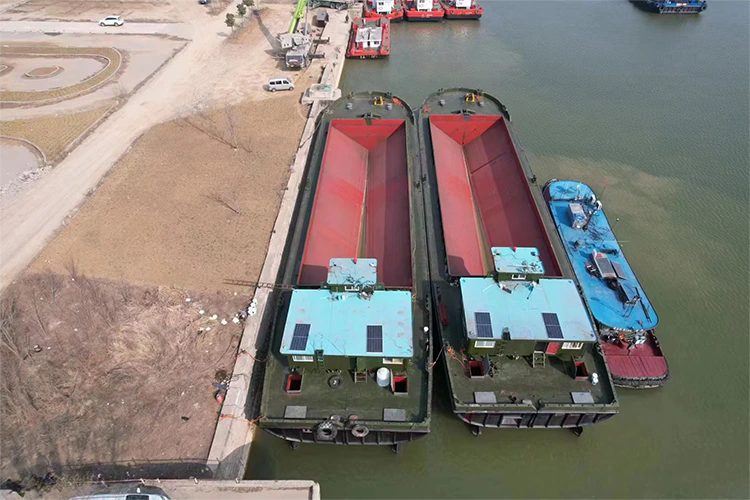
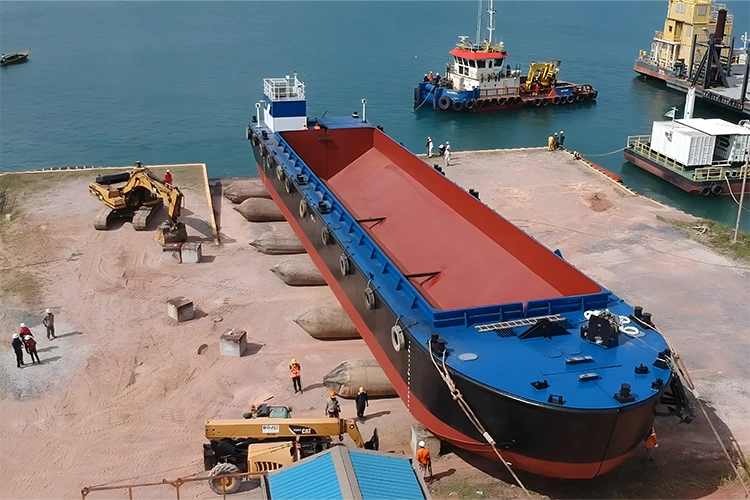
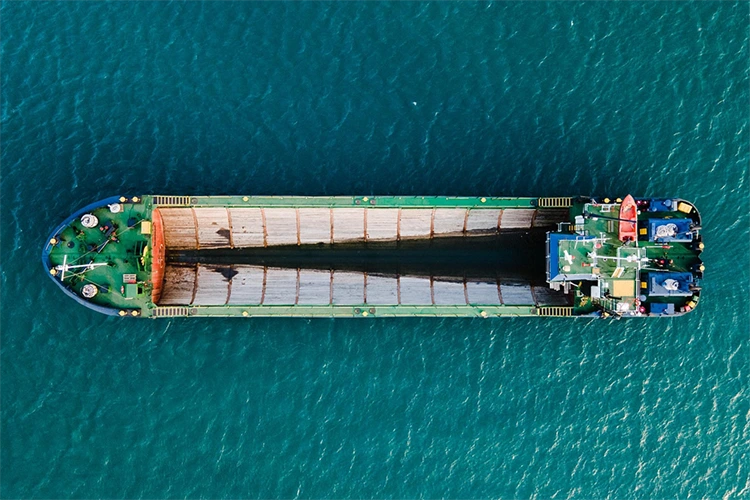
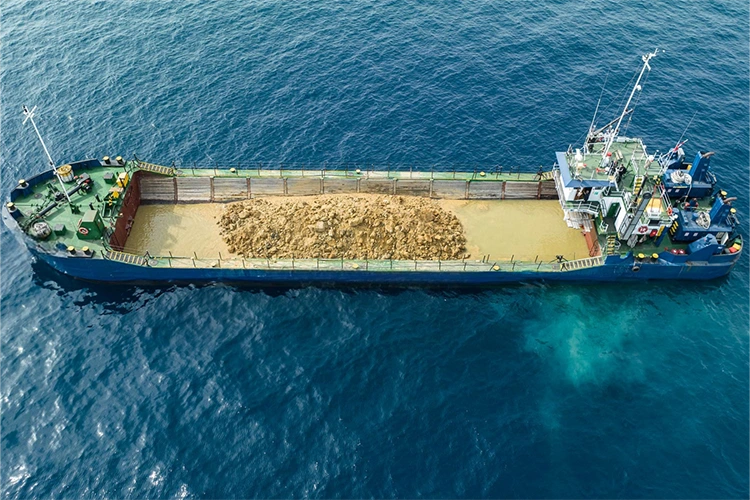
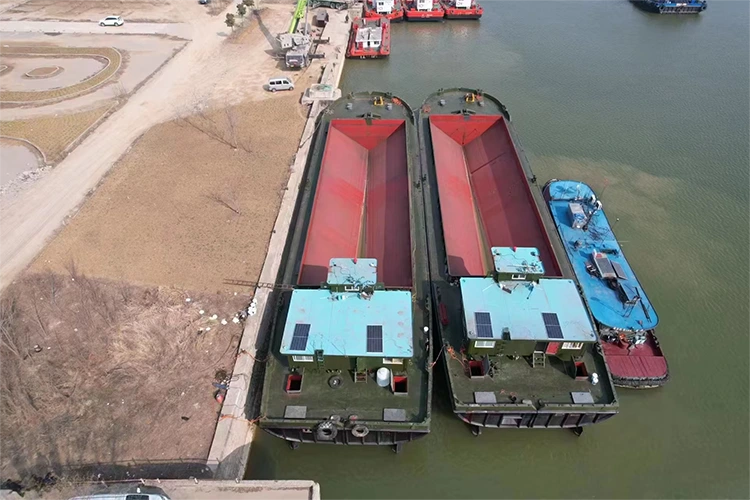
The Split Hopper Barge from HAIDING SHIPYARD is a non-self-propelled bulk material carrier designed for dredging, land reclamation, port construction and other marine engineering projects. It uses a twin-hull split structure with a hydraulic opening system, allowing dredged silt, sand, gravel, crushed stone, construction waste and ore to be transported and discharged directly at the designated location.
The vessel is designed around the complete material-handling cycle of loading, towing, positioning and discharge. For project owners and dredging contractors, hopper capacity should be considered together with cargo density, draft, displacement, stability, towing conditions and unloading requirements.
Key Advantages
Hydraulic Bottom Discharge
The Split Hopper Barge uses hydraulic cylinders to open the two hull sections from the center. Bulk cargo can then discharge through the bottom opening under gravity. The opening and closing cycle can be configured according to vessel size, hydraulic system capacity and operating requirements.
Shallow-Draft Configuration
Draft can be developed according to the available water depth and loading condition. The reference draft range is approximately 1.2–2.8 m, with the final loaded and unloaded draft determined by vessel displacement, cargo weight and hull dimensions.
Wear-Resistant Hopper
The hopper can use NM450 wear-resistant steel in areas exposed to repeated impact and abrasion. This is particularly relevant when transporting gravel, crushed stone, ore and other coarse materials.
Flexible Capacity
Hopper capacity can be developed from approximately 50 to 2,000 m³. The appropriate capacity depends on cargo density, required payload, water depth, towing distance and project cycle.
Tugboat Compatibility
The vessel is generally configured as a non-self-propelled barge and can be designed around the customer's existing tugboat. Bow and stern towing interfaces can be matched to the tug's bollard pull and operating conditions.
Modular Construction
For construction sites without suitable navigable access, HAIDING SHIPYARD can divide large engineering vessels into transportable modules for delivery by road or rail and subsequent assembly at the project site.
Product Features
The twin-hull structure provides the foundation for the split hopper and hydraulic opening system. The connection areas, hydraulic cylinder mounts and hopper structure are designed for repeated loading and unloading cycles.
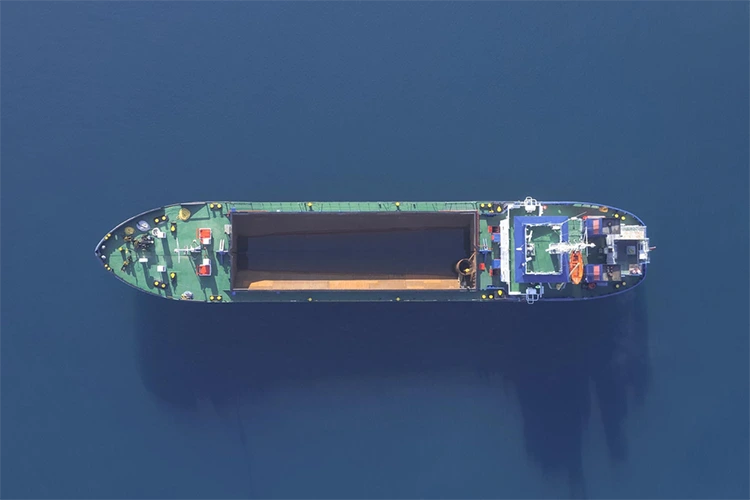
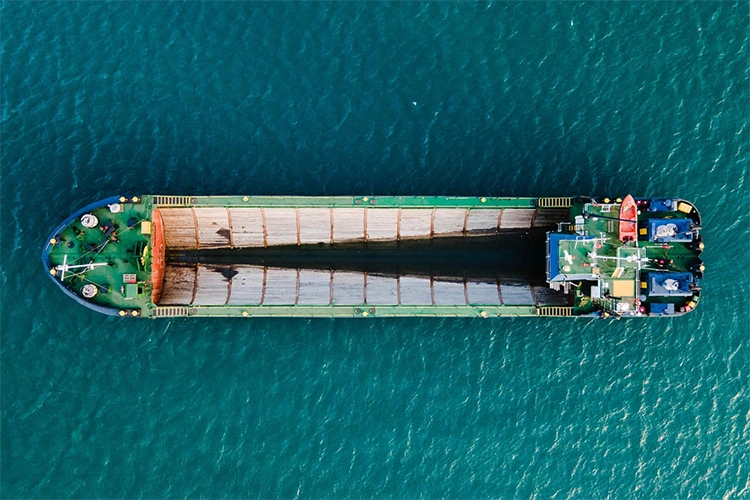
The hopper can use a curved bottom configuration to assist gravity discharge. For cohesive or wet dredged materials, internal surface treatment can be considered according to the material's moisture content, clay content and adhesion characteristics.
Optional equipment includes mud pump interfaces, load sensors, GPS positioning equipment, hopper dust covers and hydraulic control interfaces for integration with dredging equipment.
Technical Specifications
|
Parameter |
Specification |
|
Vessel Length |
18–60 m |
|
Vessel Breadth |
8–18 m |
|
Depth |
2.0–5.0 m |
|
Draft |
1.2–2.8 m |
|
Hopper Capacity |
50–2,000 m³ |
|
Unloading Angle |
30°–45° |
|
Hydraulic Working Pressure |
16–25 MPa |
|
Hydraulic Cylinders |
4–8 units |
|
Main Hull Material |
Q460 high-strength steel |
|
Hopper Material |
NM450 wear-resistant steel |
|
Main Hull Plate |
Approx. 12–18 mm |
|
Hopper Plate |
Approx. 16–25 mm |
|
Mud Pump Interface |
8–16 inch, optional |
|
Towing Arrangement |
Bow and stern towing interfaces |
|
Classification |
CCS, DNV, LR, BV, KR, RINA, RS, subject to project requirements |
The specifications above are reference ranges. Final dimensions, plate thickness, hopper capacity, hydraulic configuration and classification requirements should be confirmed through vessel design calculations and project-specific technical specifications.
Hull Structure
The main hull can be constructed with Q460 high-strength steel, while NM450 wear-resistant steel can be applied to hopper areas subject to higher abrasion.
Material selection should consider cargo density, particle size, impact frequency, abrasiveness and expected operating cycles. High-wear areas can be reinforced locally according to the loading pattern instead of applying the same material thickness throughout the entire hopper.
The split connection and hydraulic cylinder mounting areas are critical structural zones because they are subjected to repeated loads during opening and closing. Their design needs to correspond with the vessel's structural calculations and applicable classification requirements.
Hydraulic System
The hydraulic system controls the opening and closing of the split hull. A typical configuration uses 4–8 hydraulic cylinders with a working pressure of approximately 16–25 MPa, depending on vessel size and hopper loading.
Hydraulic synchronization is important because uneven cylinder movement can introduce additional loads into the connecting structure. The control system can monitor hydraulic pressure, hopper position and operating status.
For high-temperature operating environments, hydraulic oil cooling can be incorporated. Hydraulic cylinders, pumps and other core components can also be arranged for accessible inspection and maintenance.
Draft and Stability
Draft should be evaluated together with payload and cargo density.
A hopper with the same volume can create different displacement conditions depending on whether it is loaded with sand, gravel, ore or wet dredged material. For this reason, hopper volume alone should not be used to determine the vessel's actual payload.
HAIDING SHIPYARD evaluates loaded and unloaded conditions during vessel design. Cargo distribution, longitudinal trim and transverse stability are also considered, particularly where dense or unevenly distributed bulk cargo is involved.
For shallow-water projects, under-keel clearance should be considered together with the loaded draft and local waterway conditions.
Material Selection
The hopper is exposed to repeated impact and abrasion during the loading and discharge of coarse bulk materials.
NM450 wear-resistant steel can be used for high-abrasion hopper areas, while Q460 high-strength steel can be used for the main hull structure. Plate thickness is selected according to structural calculations rather than simply increasing thickness throughout the vessel.
For abrasive cargoes, the following factors should be considered during material selection:
Cargo density
Particle size
Material hardness
Impact during loading
Abrasion during transportation
Loading frequency
Expected operating cycles
Required service conditions
Corrosion Protection
The coating system is selected according to the operating environment.
For inland waterways, multi-layer protective coating systems using epoxy and polyurethane can be applied. For coastal operation, additional protection can include zinc-rich primer systems and sacrificial anodes for underwater structures.
Welds, structural connections and submerged components require particular attention during surface preparation, coating application and inspection because localized corrosion can occur in these areas.
Towing System
The vessel normally operates as a non-self-propelled unit and requires a tugboat.
The towing arrangement should be matched to:
Loaded displacement
Tug bollard pull
Towing distance
Waterway depth and width
Current and wind conditions
Coastal wave conditions
Required towing speed
The 30–200-ton-class tug range can be used as a reference for project planning, but the actual tug requirement should be determined from the loaded vessel displacement and towing conditions.
Applications
Waterway Dredging
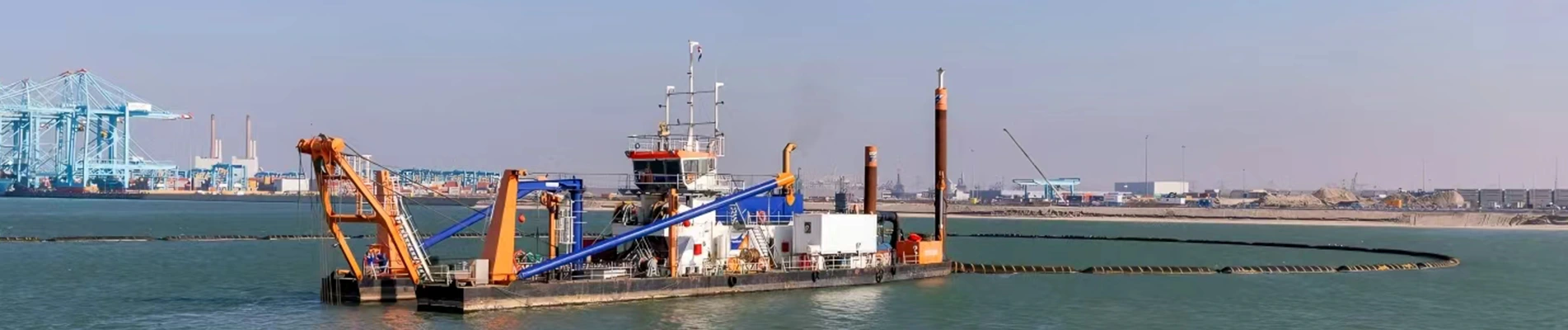
The Split Hopper Barge can work with cutter suction dredgers and other dredging equipment to transport silt from riverbeds, canals and other waterways to designated disposal or placement areas.
The HAIDING SHIPYARD application concept includes shallow-water dredging projects in areas such as Yangtze River tributaries and the Beijing-Hangzhou Grand Canal, where draft and waterway access are important design factors.
Port Dredging
For port maintenance dredging, dredged material can be transported from the working area to approved disposal or reclamation locations. Coastal vessels can be specified with corrosion protection suitable for seawater exposure.
Land Reclamation
Sand and gravel can be transported from loading points to reclamation areas and discharged directly through the split hopper. Multiple barges can be operated as a formation for larger reclamation projects, with transportation and unloading cycles coordinated according to the project schedule.
Terminal Construction
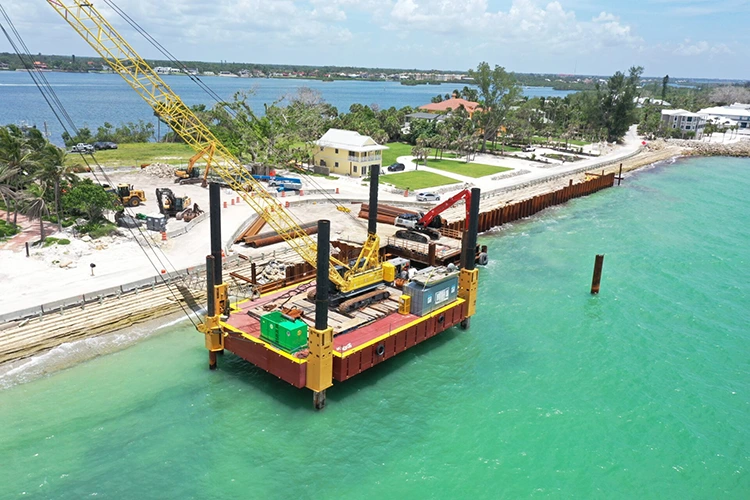
The vessel can transport crushed stone, graded aggregate and sand for terminal foundation backfilling and marine infrastructure construction. Wear-resistant hopper materials are suitable for repeated handling of coarse aggregate.
Construction Waste
The hopper can be configured for construction waste and other bulk materials. Hydraulic bottom discharge provides a direct unloading method at the designated disposal or processing location.
Modular Construction
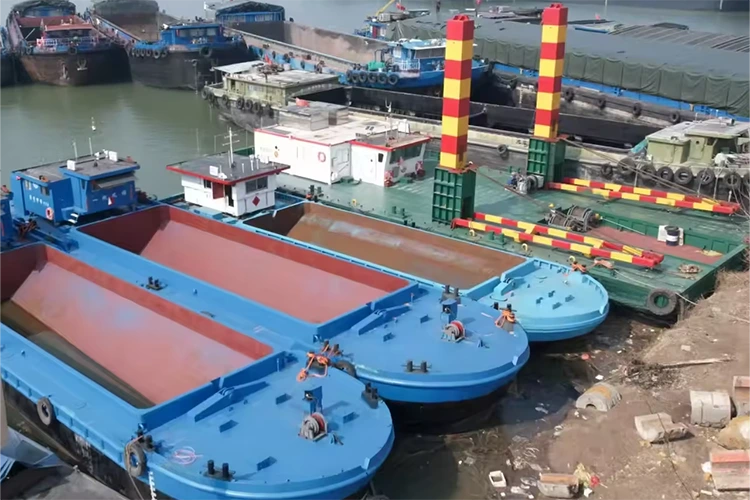
HAIDING SHIPYARD has the capability to construct large engineering vessels in modular sections.
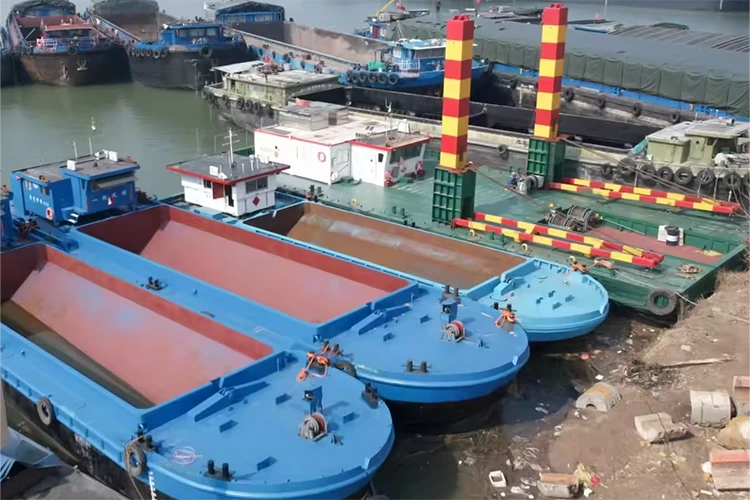
When a completed vessel cannot be transported to a project site because of limited navigable access, the hull can be divided into transportable modules. These sections can be delivered by road or rail and assembled at the construction site.
This approach is suitable for inland dredging projects, remote construction areas and locations where conventional waterborne delivery is impractical.
HAIDING SHIPYARD has large assembly berths in coastal and riverside areas. The coastal berth can support the assembly, construction and launching of hulls up to approximately 35,000 tons, while the riverside berth supports the construction of thousand-ton-class inland vessels.
FAQ
How does the hopper discharge cargo?
Hydraulic cylinders open the two hull sections from the center. The cargo then falls through the bottom opening under gravity.
What hopper capacity is available?
HAIDING SHIPYARD can develop hopper capacities from approximately 50 to 2,000 m³. The final capacity depends on cargo density, payload, draft and vessel dimensions.
What is the typical draft?
The reference draft range is approximately 1.2–2.8 m. The actual loaded and unloaded draft depends on displacement, cargo weight and vessel configuration.
Can it transport dredged silt?
Yes. The hopper can be configured for dredged silt, sand and other dredged materials. For cohesive or high-moisture sediment, hopper geometry and surface treatment should be evaluated according to the actual material properties.
What steel is used for the hopper?
NM450 wear-resistant steel can be used in high-abrasion areas, while Q460 high-strength steel can be used for the main hull. Final material grades and thicknesses depend on structural calculations and project requirements.
Is the vessel self-propelled?
The standard configuration is non-self-propelled and requires a tugboat. Towing interfaces can be designed according to the customer's existing tugboat.
Can the draft be customized?
Yes. Draft can be developed according to payload, water depth, vessel dimensions and operating conditions.
Can it operate in coastal waters?
Yes. Coastal configurations can incorporate additional corrosion protection and underwater sacrificial anodes according to the expected seawater exposure.
Which classification societies can be considered?
Depending on the project, classification requirements can be considered for CCS, DNV, LR, BV, KR, RINA and RS.
Can the vessel be transported by road?
Yes. HAIDING SHIPYARD can develop modular construction solutions for projects where a completed vessel cannot reach the site through navigable waterways.
Send Inquiry
Contact Info
-
Address
No. 8888, Wanhong Avenue, Huanglou Sub-district, Qingzhou City, Weifang City, Shandong Province, China
-
Tel
-
Email
Looking to buy a dredger, tugboat or custom engineering vessel? Send your requirements to HAIDING SHIPYARD for product details, technical consultation and a competitive shipbuilding quotation.
Related Products
News Recommendations