Excavation Self-elevating Platform
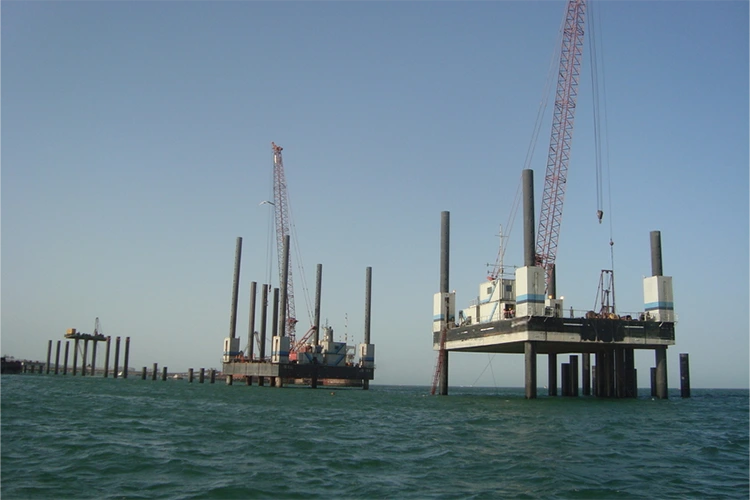
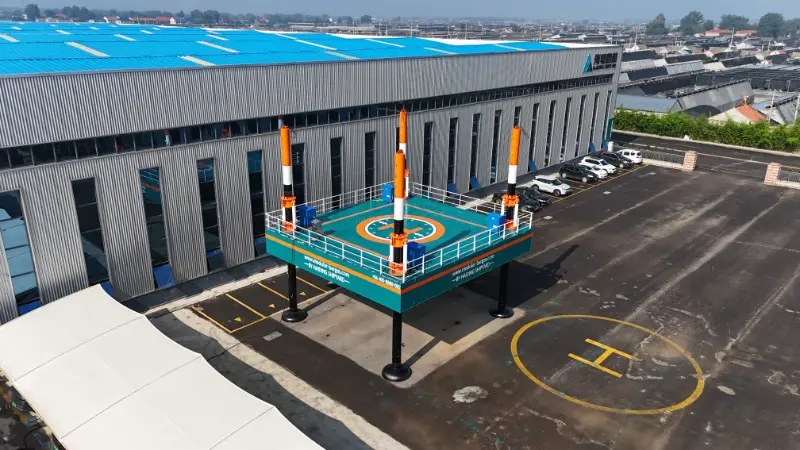
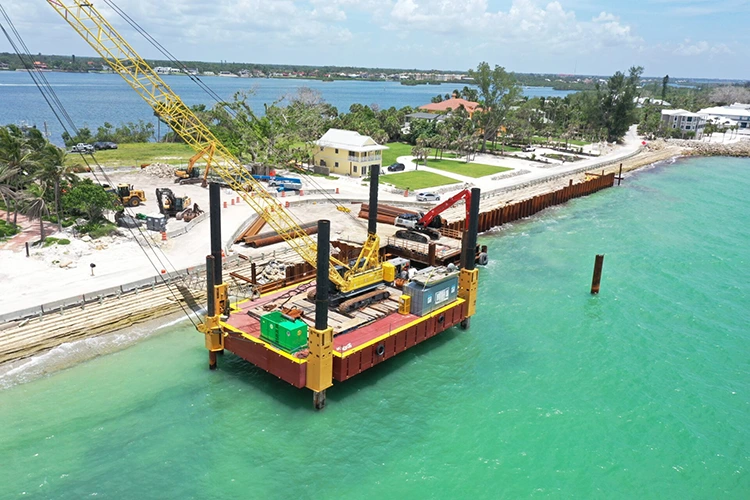
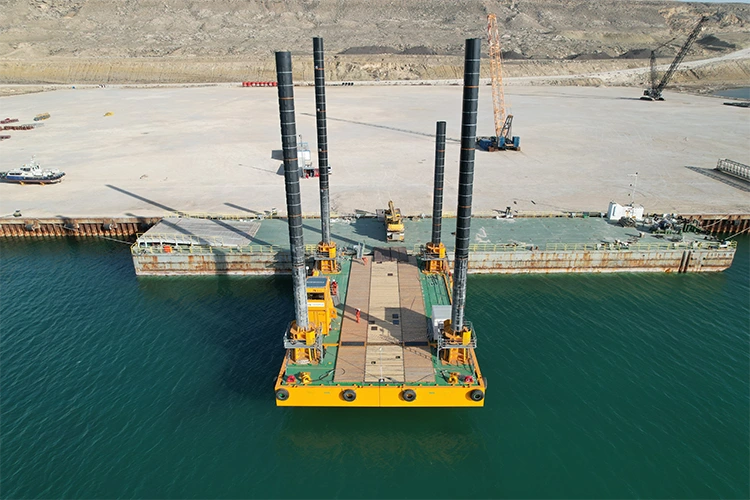
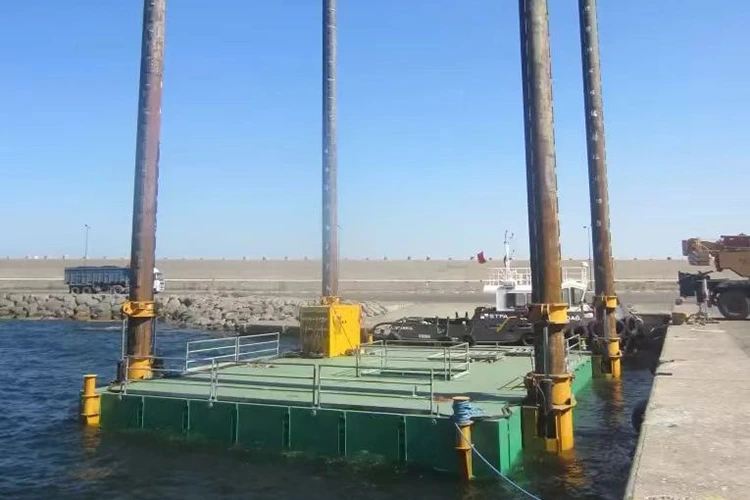
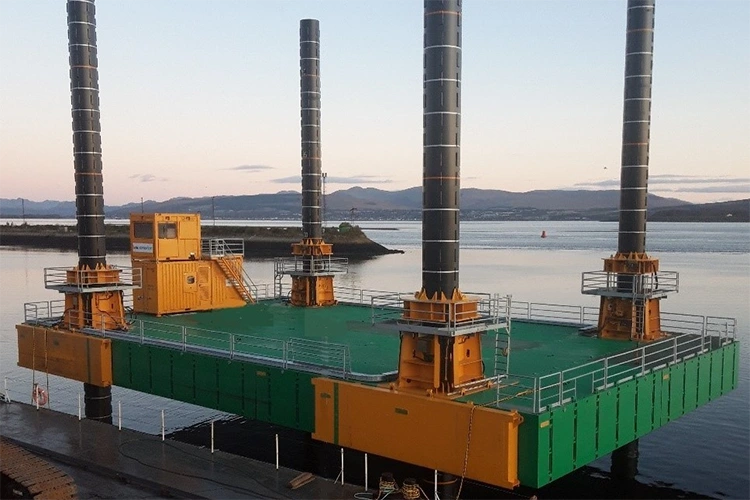
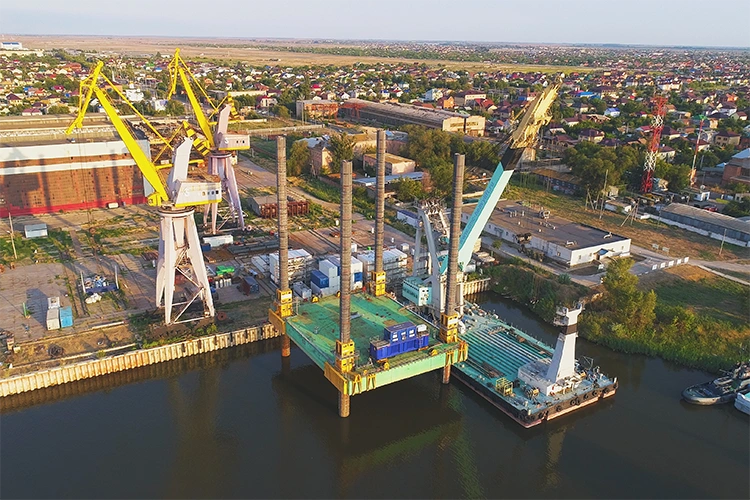
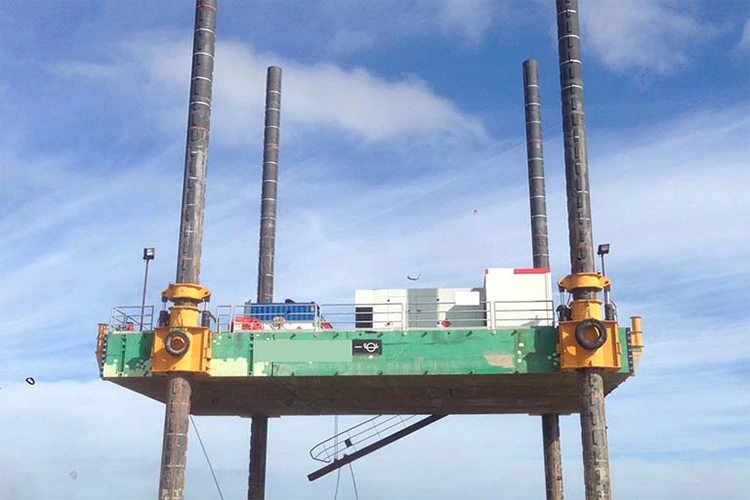
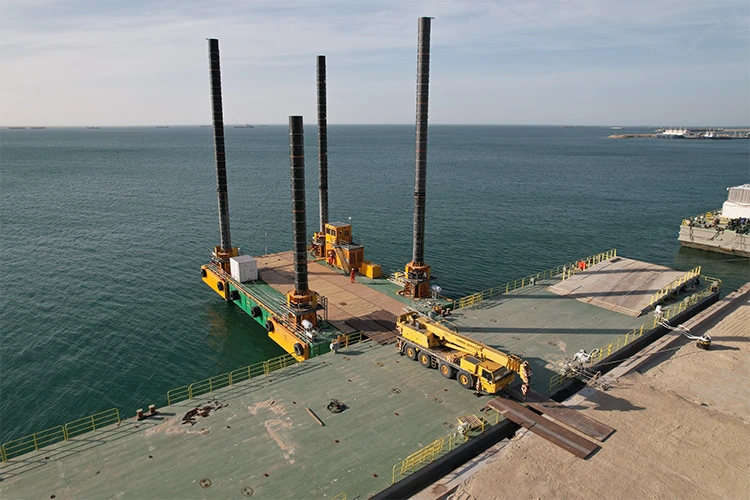
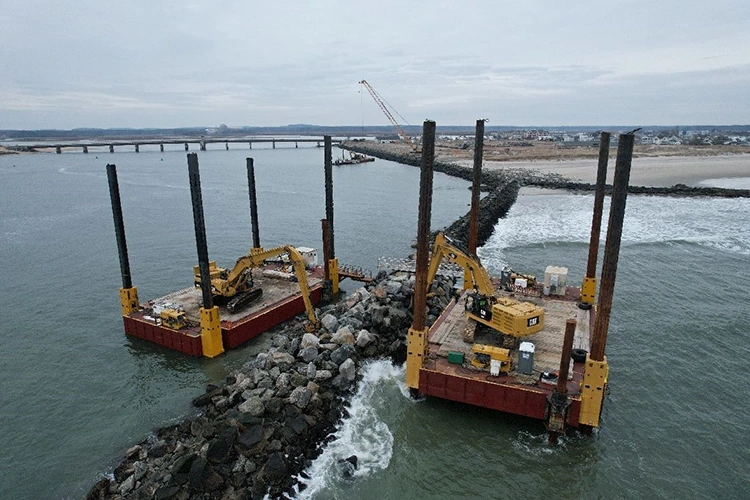
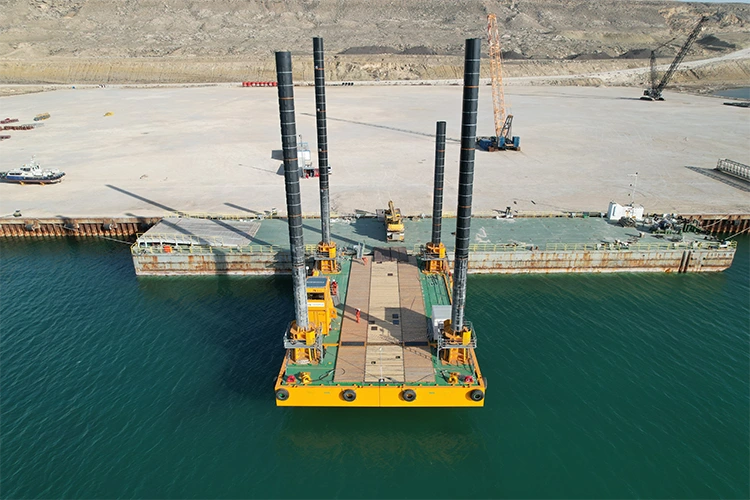
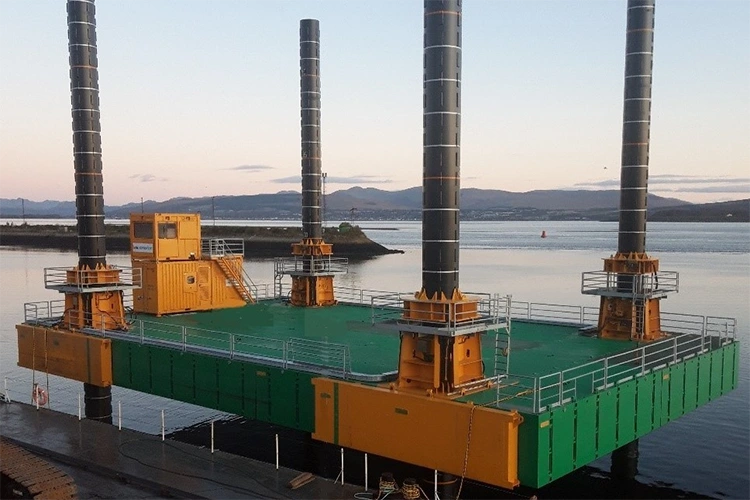
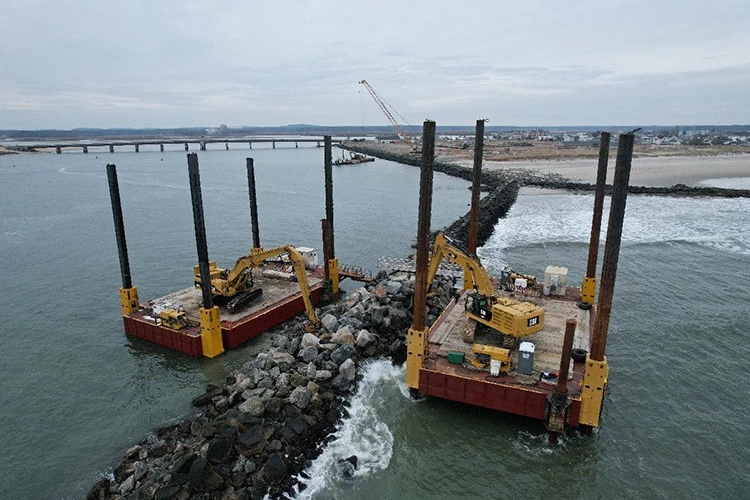
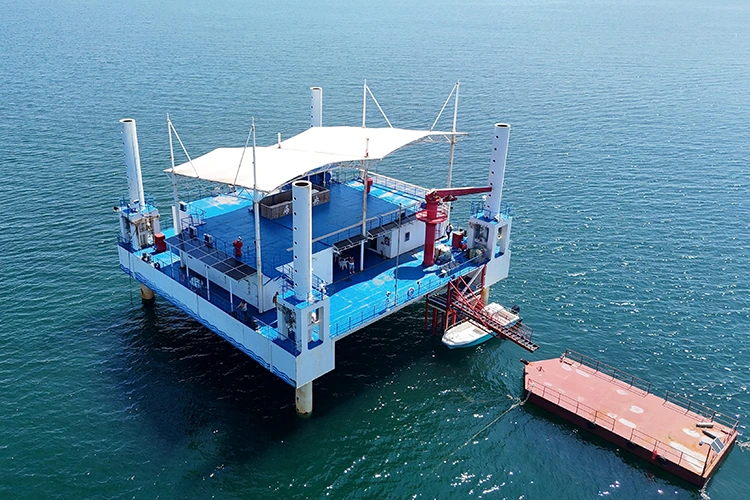
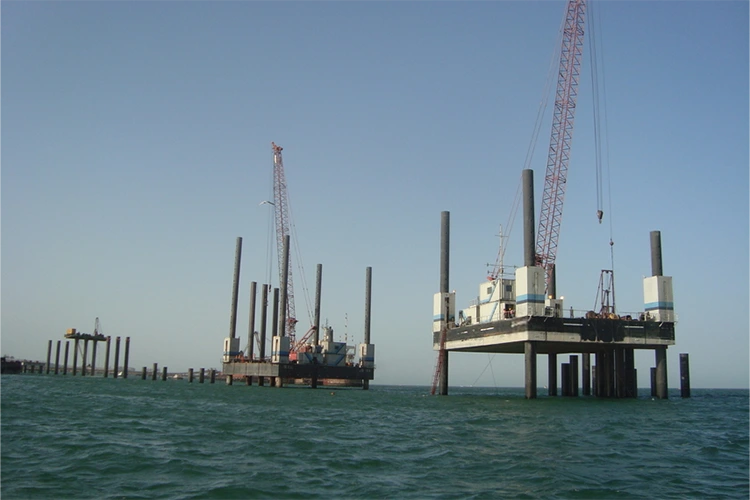
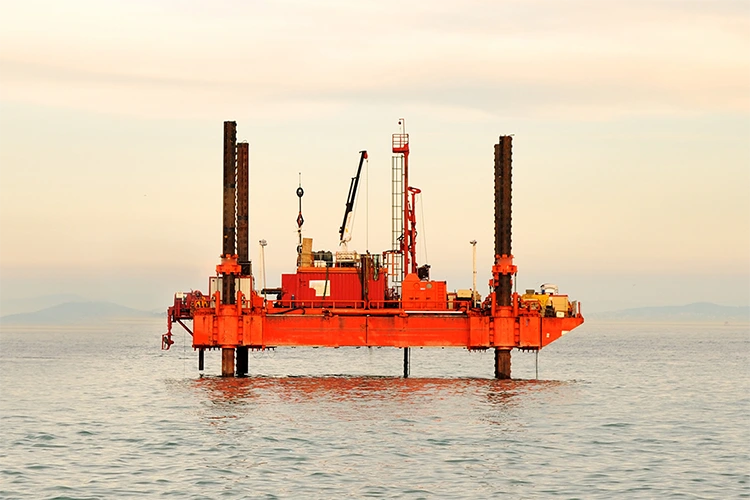
HAIDING SHIPYARD is a specialized Chinese manufacturer and global supplier of Excavation Self-elevating Platform. Equipped with a 200-ton class fully hydraulic underwater excavation system, these platforms offer high precision, high capacity, and robust resistance to wind and waves. They are widely used in projects such as channel dredging, seabed excavation, and island infrastructure construction, supporting modular customization and global project delivery.
Our Excavation Self-elevating Platform is a piece of heavy-duty marine engineering equipment developed for critical applications such as deep-sea geotechnical excavation, high-precision channel remediation, and island foundation construction. It effectively resolves industry pain points associated with traditional dredgers, including depth limitations, poor excavation precision, vulnerability to adverse sea conditions, and inefficient soil-rock separation and transport.
The platform features a dedicated 200-ton class fully hydraulic underwater excavator, an automatic platform leveling system, and a BeiDou/GPS 3D positioning system, enabling stable excavation operations across environments ranging from shallow to deep waters. The unit is rated for Beaufort Scale 11 wind resistance, achieves an average daily excavation volume of 5,000 cubic meters, and offers 30% higher operational efficiency compared to traditional dredging equipment.
Technical Parameters
|
ParameterCategory |
SpecificItem |
SpecificationRange |
Remarks |
|
Basic Dimensions |
Total Platform Length (m) |
50-70 |
5-7 sections, single section length ≤15m |
|
|
Total Platform Width (m) |
20-25 |
Effective deck operation area ≥75% (including excavator unit) |
|
|
Platform Depth (m) |
5.5-6.5 |
Ensures large-load buoyancy and transfer cabin space |
|
Lifting Performance |
Number/Type of Spud Legs |
3/truss-type |
Spud leg diameter 2.5-3.0m |
|
|
Spud Leg Length (m) |
10-90 |
Adapted to 3-100m water depth, customizable |
|
|
Lifting Speed (m/min) |
0.3-0.5 |
Full-load lifting speed ≥0.3m/min |
|
|
Seabed Insertion Depth (m) |
≥8 |
Expandable spud can optional for soft soil (contact area ≥60㎡) |
|
Load & Excavation Performance |
Total Platform Load (t) |
3000 |
Including excavator, transfer cabin, personnel and materials |
|
|
Deck Uniform Load (kN/㎡) |
60-70 |
Excavator unit area load ≥100kN/㎡ |
|
|
Excavator Rated Weight (t) |
≤200 |
Full-hydraulic rotating underwater excavator |
|
|
Excavator Excavation Parameters |
Maximum radius 18m, bucket capacity 8-12m³, excavation force 350kN |
Maximum underwater excavation depth ≥30m |
|
|
Excavation Accuracy |
Depth error ±0.1m, flatness error ≤0.3m |
GPS+sonar dual monitoring |
|
|
Daily Excavation Volume (m³) |
≤5000 |
Under clay layer working conditions |
|
Structure & Material |
Platform Material |
Main structure: Q460 high-strength steel; Deck: NM500 wear-resistant steel |
Main load-bearing beam thickness ≥40mm |
|
|
Anti-corrosion Treatment |
Deep-sea heavy anti-corrosion coating + cathodic protection |
Underwater anti-corrosion life ≥15 years |
|
|
Leveling Accuracy |
±0.1° |
Full-automatic hydraulic leveling system |
|
Safety Configuration |
Wind Resistance Grade |
Grade 11 |
Platform in raised state, excavator windproof locking |
|
|
Emergency System |
Emergency generator (250kW), manual lifting device, excavator emergency recovery |
Manual lifting for emergency spud leg recovery |
|
|
Monitoring System |
Level, excavation depth, wind speed, geological monitoring |
Data uploaded to shore-based command center in real time |
|
Certification Standard |
Product Certification |
ABS/CCS/DNV marine platform certification |
Complies withRules for Classification of Mobile Offshore Units &Excavating Machinery Safety Regulations |
Key Product Features
Heavy-duty Excavation Configuration: Equipped with a 200-ton class fully hydraulic underwater excavator supporting 360° rotation. It features a maximum excavation radius of 18m, a bucket capacity of 8–12m³, and a maximum digging force of 350kN, capable of handling complex geological conditions such as clay, sand/gravel, and hard rock. It includes a 500m³ dual-compartment transport hopper for integrated excavation and transport, achieving a daily volume of 5,000m³ and a 30% efficiency boost over traditional dredgers.
High-precision Measurement and Control System: Utilizes GPS/BeiDou dual-mode positioning and underwater sonar detection. Excavation positioning accuracy is ±0.3m, water depth detection accuracy is ±0.1m, and excavation surface flatness error is ≤0.3m. Paired with high-precision inclinometers (±0.05°) and an automatic leveling system, the platform maintains a horizontal operational error of ≤0.1°, effectively mitigating construction deviations caused by wind and waves.
Full-Depth and All-Region Adaptability: Features customizable three-section truss spud legs (10–90m), enabling operations across water depths ranging from 3m to 100m. The anti-slip spud can design is suitable for sandy seabeds, and the unit withstands Beaufort scale 11 winds, 5m wave heights, and 2-knot currents. The excavation equipment is IP68-rated (fully sealed against water and clogging), allowing for continuous operation in harsh environments such as high-silt estuaries and monsoon-affected areas of the South China Sea.
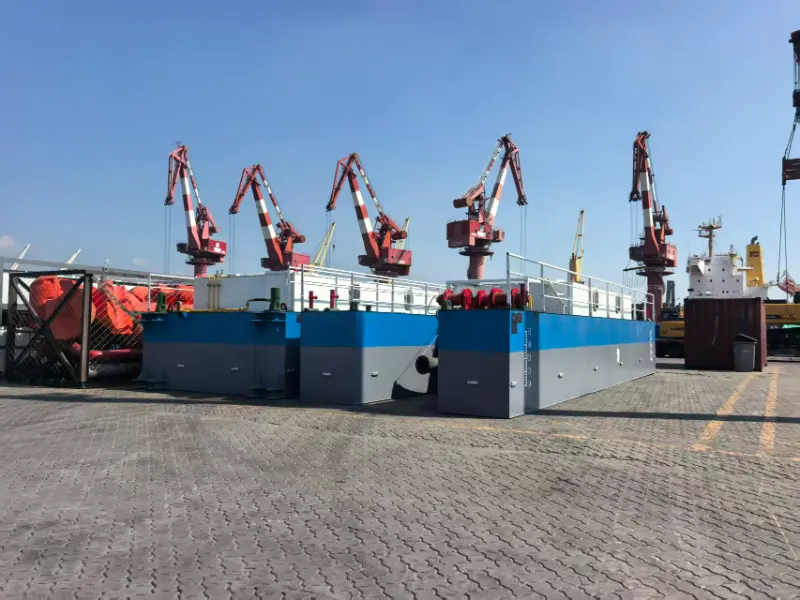
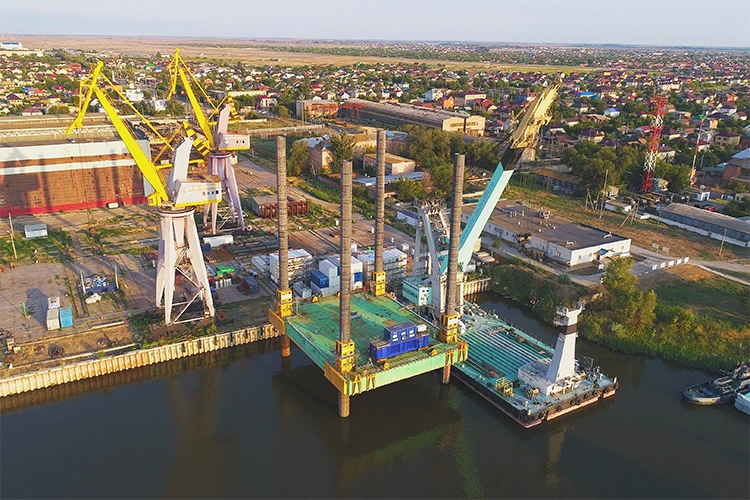
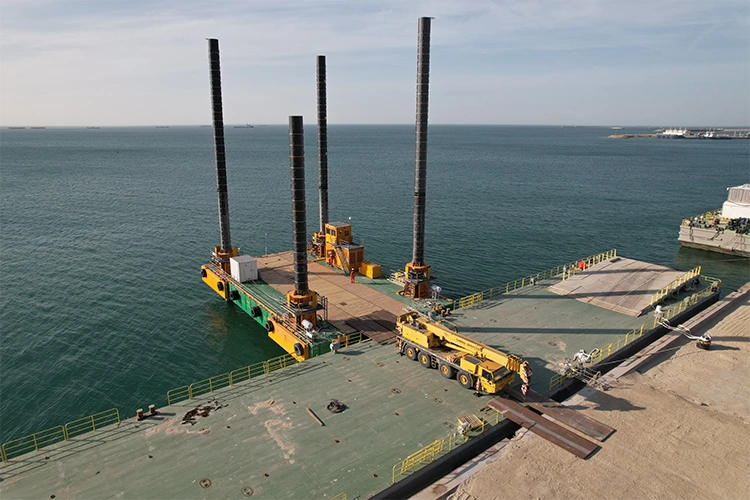
Modular Structural Design: The equipment breaks down into 5–7 independent sections, each weighing ≤100 tons, facilitating global ocean transport. On-site assembly takes just 8–12 days, reducing the deployment cycle by 40%. Core hydraulic components feature a modular design allowing for complete unit replacement in the event of failure, with a maintenance turnaround of only 10 hours. The spud legs are constructed from NM500 wear-resistant steel, offering a deep-sea service life of up to 20 years.
Differentiated Advantages
1. Overcoming Operational Limitations of Traditional Equipment
Unlike traditional dredgers, which suffer from water depth constraints, poor precision, and an inability to excavate hard rock, this Excavation Self-elevating Platform enables precise underwater excavation at depths of up to 30m. It handles both soft soil and hard rock, eliminates the need for transport vessel transfers and associated downtime, and is ideally suited for high-precision, complex marine infrastructure projects.
2. Stable Operation in Complex Marine Conditions
Utilizing a rigid self-elevating spud leg structure, the unit isolates itself from wind, waves, and currents, enabling continuous operation in harsh conditions without frequent stoppages due to sea state fluctuations. This effectively ensures construction schedules for large-scale shipping channels, island infrastructure, and cross-sea engineering projects.
3. Integrated Operations
Combines excavation, material storage, transfer, and obstacle clearance functions, eliminating the need for coordinated multi-equipment operations. This significantly reduces costs related to equipment rental, personnel scheduling, and vessel transfers. The integrated excavation and backfill model directly lowers project costs for earth and rock procurement.
4. Adaptability to Global Projects
The modular, split-structure design facilitates cross-border transport, simple assembly, and rapid deployment. It flexibly adapts to both domestic and international projects—ranging from short-term emergency works to large-scale, long-term infrastructure developments—and supports customization for diverse operating conditions, including polar regions, high-salinity/corrosive environments, and hard-rock seabed operations.
Key Application Scenarios
1. Deep-Sea Channel Dredging and Remediation
Suitable for operations in the main channels of Bohai Bay and deep-water coastal channels of the Yangtze River Delta. It can excavate and clear silt and sediment layers (sand and gravel) from the bottom and slopes of channels at depths of 15–30 meters. High-precision depth control ensures the channel meets navigation standards for 100,000-ton class cargo vessels. Equipped with anti-clogging mechanisms, the equipment handles sediment layers with sand content exceeding 30%, achieving an average daily dredging volume of 4,000 cubic meters.
It is also suitable for operations in narrow tributary channels of the Yangtze and Pearl River Deltas; with an unladen draft of only 1.0–2.0 meters, the platform can easily access shallow tributaries. It precisely controls channel slope gradients (with an error margin of ≤1:5), ensuring the regularity and safety of the navigable channel.
2. Artificial Island Infrastructure Construction
Suitable for foundation construction and land reclamation for artificial islands in the South China Sea and East China Sea. It performs seabed foundation pit excavation at depths of 10–20 meters with a surface flatness error of ≤0.3 meters, providing a level base for island reclamation.
Excavated earth and rock can be directly transferred to the island's fill zone, enabling an integrated excavation-and-backfill cycle that effectively reduces material procurement and transportation costs. It precisely excavates foundation trenches for island breakwaters at depths of 5–15 meters, strictly controlling trench depth and flatness. This provides a standardized base for caisson installation, eliminating risks such as caisson tilting or displacement and ensuring the structural stability of the breakwater.
3. Seabed Obstacle Removal and Dredging
Widely used in the removal of aging infrastructure in ports and shipping channels, this equipment can clear abandoned underwater pile foundations with diameters of 1–3 meters and burial depths of 5–10 meters. When equipped with a hydraulic breaking unit, concrete piles can be broken up before being excavated and removed in their entirety; the system can complete the removal of 5–8 abandoned piles per day.
It efficiently handles shipwreck wreckage in the 50–200 ton range. By combining multi-point lifting with excavation and breaking techniques, the wreckage is dismantled and transferred to transport vessels. This ensures the thorough removal of underwater channel obstacles and guarantees navigational safety, making it suitable for projects such as port upgrades, channel widening, and general marine obstacle clearance.
4. Marine Engineering Foundation Excavation
Suitable for pile foundation construction on major cross-sea projects like the Qiongzhou Strait Bridge and the Hangzhou Bay Bridge, it can excavate bridge pile foundation pits with diameters of 8–15 meters and depths of 10–25 meters. The verticality deviation of the pit is ≤0.5‰, precisely meeting the standards for pile foundation pouring.
Excavation Self-elevating Platform is also suitable for offshore wind power monopile foundation construction, capable of excavating turbine foundation pits with diameters of 6–10 meters in water depths of 5–15 meters. Operating from a stable platform that isolates the site from wind, waves, and currents, it ensures pit dimensions and flatness meet specifications, providing high-precision construction support for offshore wind turbine installation and bridge foundation work.
Customized Service System
Site-Specific Parameter Customization
Equipment parameters can be personalized based on the water depth, geological conditions, and specific requirements of the construction site. Options include customizing leg lengths up to 90 meters and upgrading to a large-scale 300-ton class excavator unit, as well as installing specialized equipment such as hydraulic breakers and geotechnical screening modules.
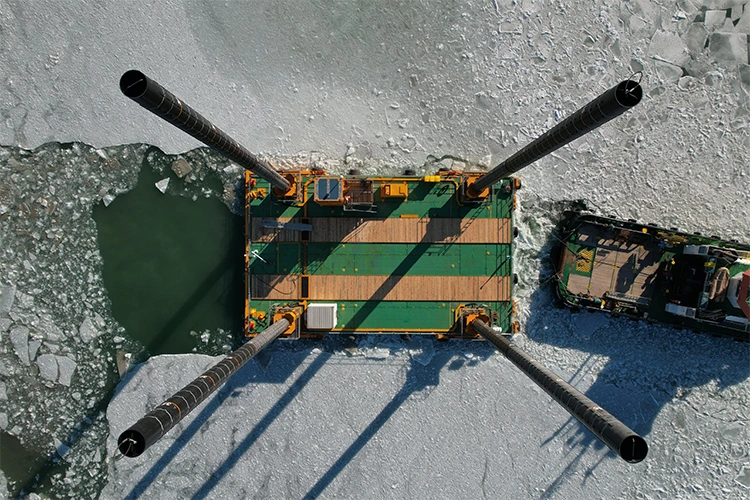
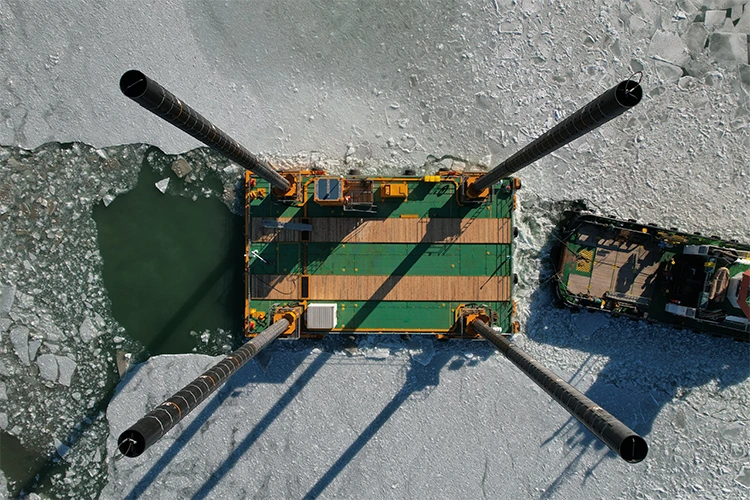
For polar or low-temperature waters, features such as leg-mounted ice-breaking devices and comprehensive platform thermal insulation systems can be added. For high-hardness rock formations, upgrades include wear-resistant alloy excavator bucket teeth and reinforced breaking structures. For high-salinity, deep-sea environments, enhanced anti-corrosion coatings are available, ensuring suitability for a wide range of extreme global construction conditions.
Comprehensive Value-Added Support Services
We handle the entire process of obtaining certifications from authoritative international classification societies (such as ABS, CCS, and DNV) and securing offshore excavation qualifications on behalf of clients, thereby streamlining project approval and implementation. Based on geological survey reports and construction blueprints, we develop customized excavation plans—including excavation path planning, slope gradient control, and geological optimization—tailored to specific project conditions.
We coordinate with professional marine engineering teams to provide integrated turnkey services—combining equipment rental, on-site construction, and earthwork transport—to ensure efficient and compliant project execution.
FAQ
1. What are the construction advantages of an excavation-type jack-up platform compared to a traditional dredger?
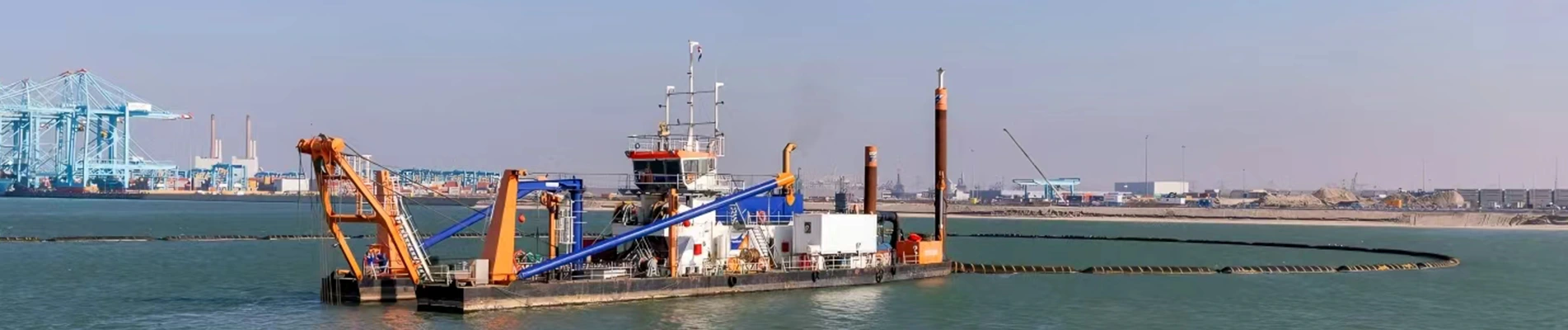
Traditional dredgers typically operate while afloat, making them highly susceptible to wind, waves, and currents; they suffer from limited excavation depth and poor precision, cannot excavate rock or hard soil, and require frequent waiting for transport vessels, resulting in low operational efficiency. This Excavation Self-elevating Platform anchors itself to the seabed via spud legs, ensuring operational stability. It achieves precise excavation at depths of up to 30 meters and handles complex geological conditions—including rock, soil, sand, gravel, and silt. Equipped with an onboard storage hold, it integrates excavation and transport, boosting overall efficiency by over 30%. It maintains continuous operation in challenging conditions such as monsoons and high waves, making it ideal for large-scale, high-precision marine infrastructure projects.
2. What complex seabed geologies and construction scenarios is the equipment suited for?
The equipment offers exceptional versatility, compatible with various substrates—including silt, clay, sand, sand-gravel mixtures, and hard weathered rock—while withstanding harsh conditions such as high-sediment estuaries, deep-sea high-salinity environments, and complex nearshore currents. Key applications include channel dredging (shallow and deep water), foundation leveling for artificial islands, pile foundation excavation for cross-sea bridges, offshore wind farm foundation pit construction, and the removal of abandoned seabed piles and shipwrecks, covering the vast majority of offshore earth/rock excavation and waterway improvement projects.
3. Is the on-site assembly and cross-border transport of the equipment convenient?
The equipment features a lightweight, modular, and detachable design; with individual sections weighing 100 tons or less, it requires no special heavy-lift transport permits and can be shipped globally via standard ocean-going barges or semi-submersible vessels. Assembly and commissioning at the site require no specialized heavy machinery, relying instead on conventional offshore floating cranes; the total assembly time is just 8–12 days—40% faster than the deployment time for traditional integrated dredgers—allowing for rapid mobilization and suitability for short-term emergency works and international projects.
4. Does the equipment's high-precision excavation capability meet acceptance standards for large-scale marine infrastructure?
It fully complies with both domestic and international acceptance standards for large-scale marine engineering projects. The equipment achieves an excavation positioning accuracy of ±0.3m and a foundation pit verticality deviation of ≤0.5‰, with controllable channel slope gradients. All construction precision metrics meet the standards for key national projects—such as cross-sea bridges, offshore wind farms, artificial islands, and deep-water channels. The entire unit holds multiple authoritative maritime certifications (ABS, CCS, and DNV), and construction data is fully traceable and verifiable, ensuring compliance with the rigorous requirements of high-end engineering projects.
5. Will construction in waters with high sediment loads and heavy waves affect the equipment's operation or service life?
No. The main excavation unit features an IP68 fully sealed, waterproof structure and a specialized anti-clogging system, enabling long-term operation in high-sediment waters—such as the Yangtze and Pearl River estuaries—without issues regarding sediment accumulation or equipment jamming. The unit is designed to withstand Beaufort scale 11 winds and 5-meter wave heights, ensuring operational stability even in typically harsh marine conditions. The spud legs are constructed from NM500 wear-resistant steel and treated with heavy-duty deep-sea anti-corrosion coatings; this combination offers exceptional wear and corrosion resistance, ensuring a service life of up to 20 years in complex deep-sea environments and guaranteeing long-term operational stability.
Send Inquiry
Contact Info
-
Address
No. 8888, Wanhong Avenue, Huanglou Sub-district, Qingzhou City, Weifang City, Shandong Province, China
-
Tel
-
Email
Looking to buy a dredger, tugboat or custom engineering vessel? Send your requirements to HAIDING SHIPYARD for product details, technical consultation and a competitive shipbuilding quotation.
News Recommendations