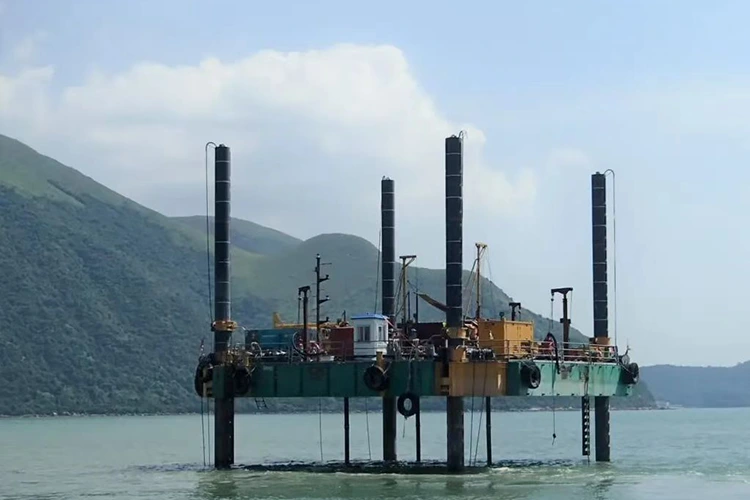
Geological Exploration Self-elevating Platform
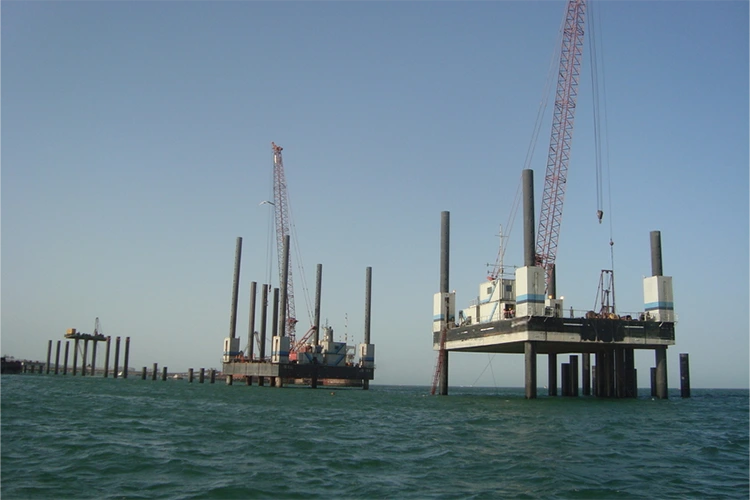
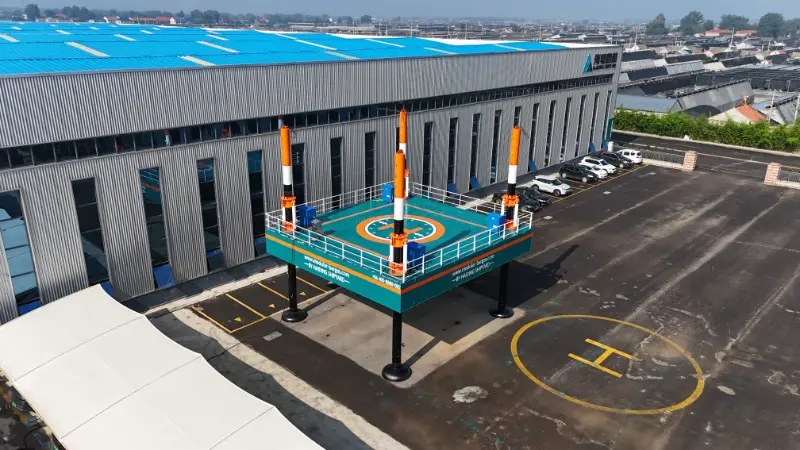
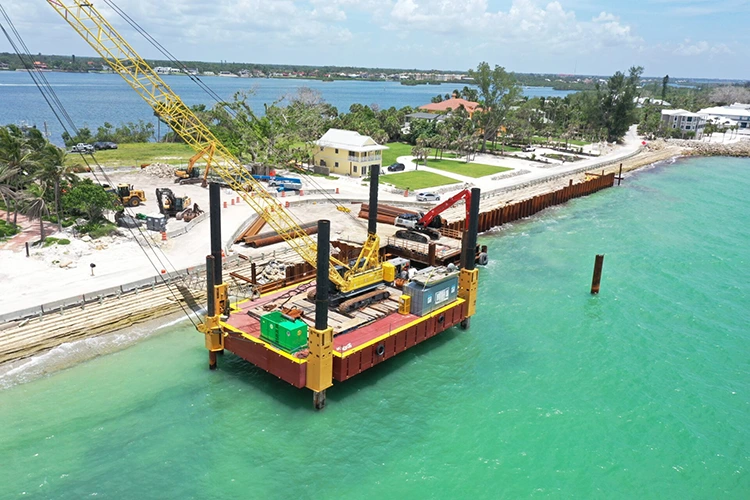
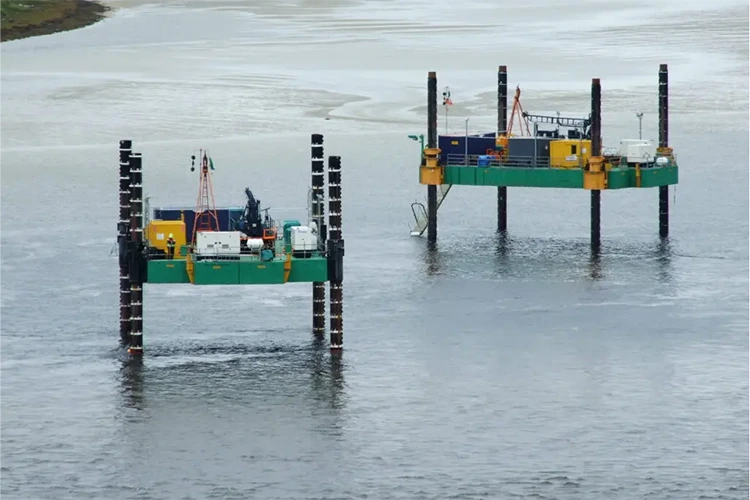
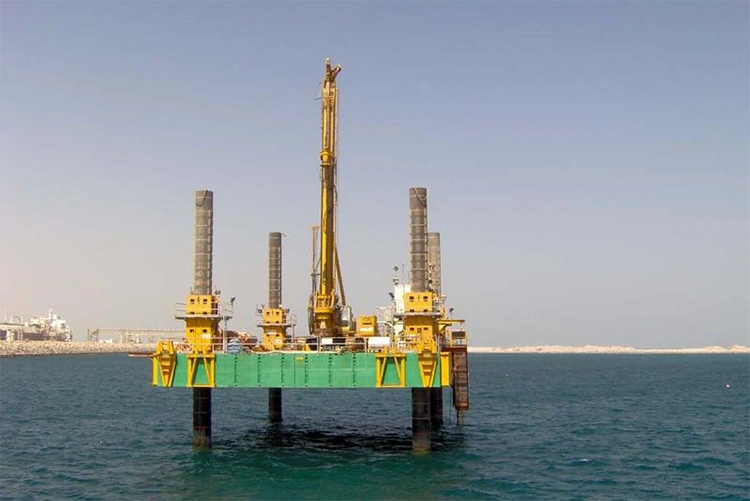
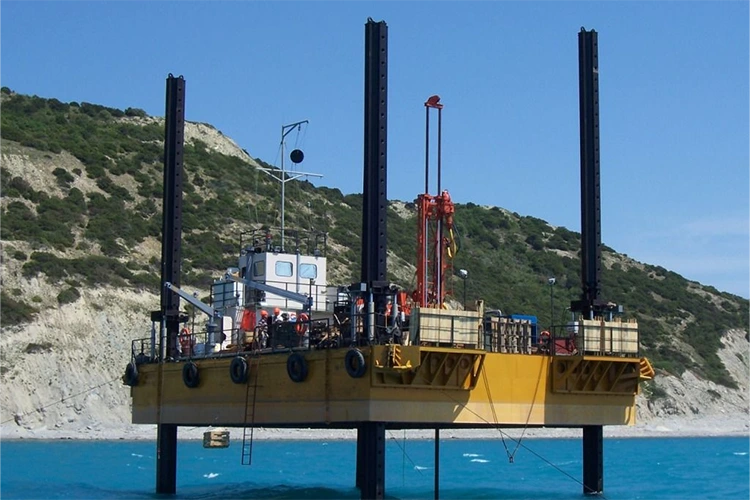
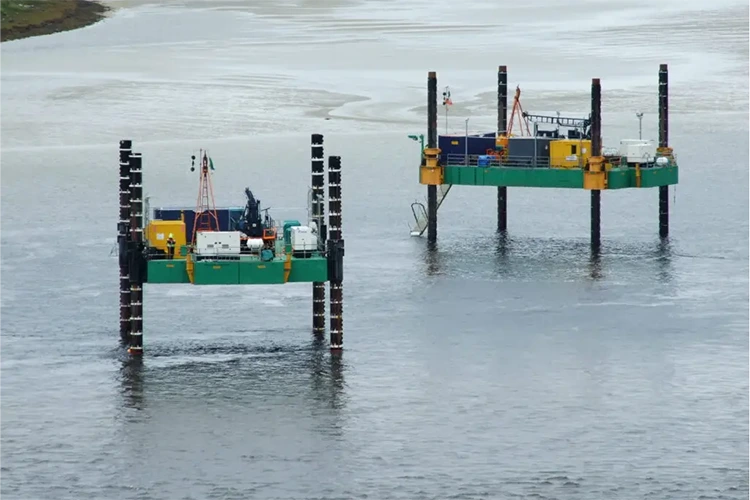
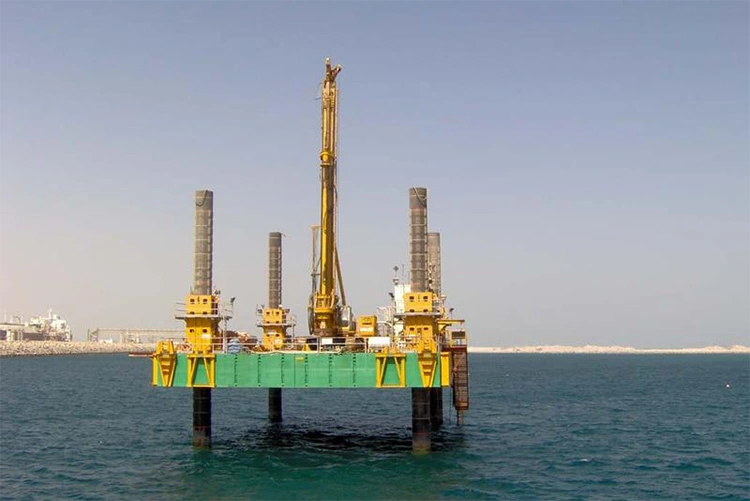
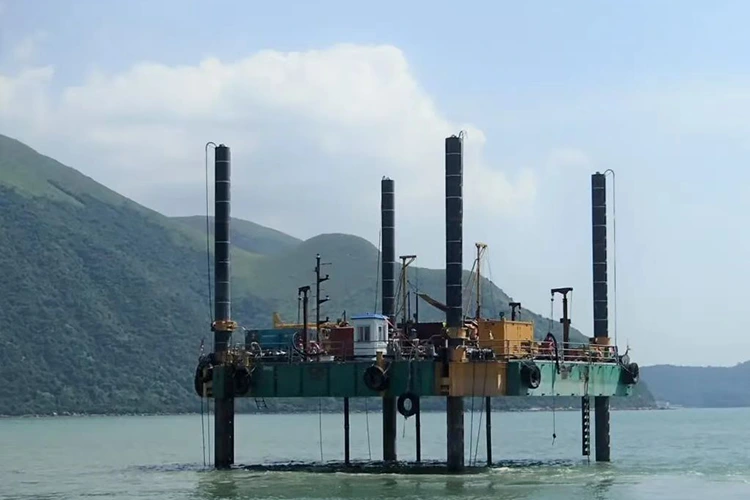
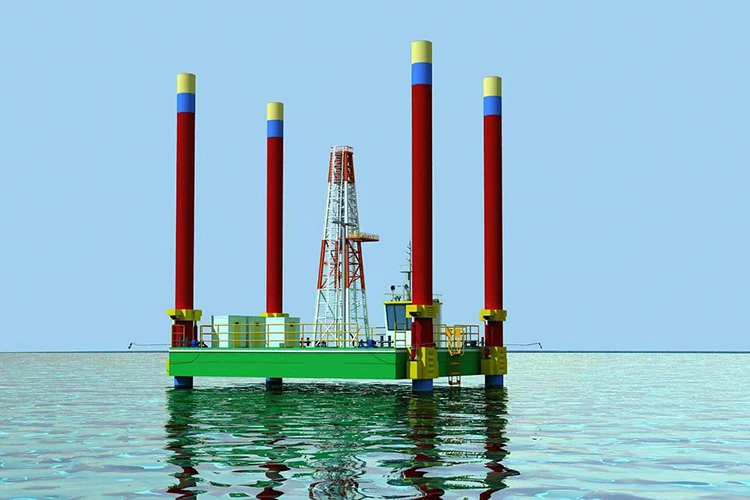
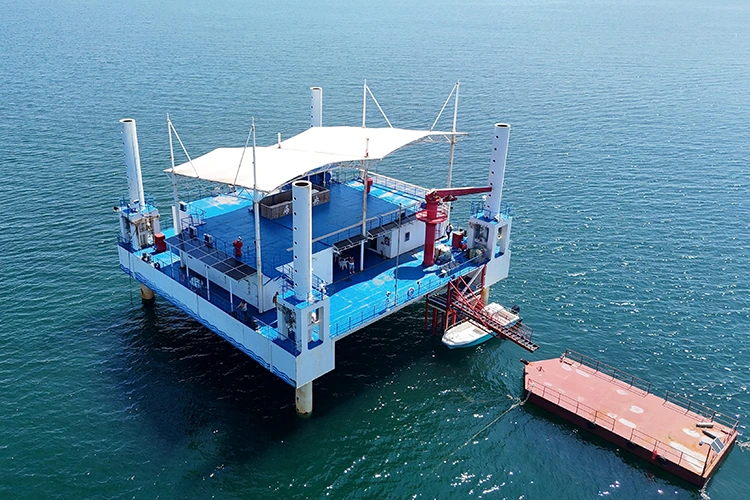
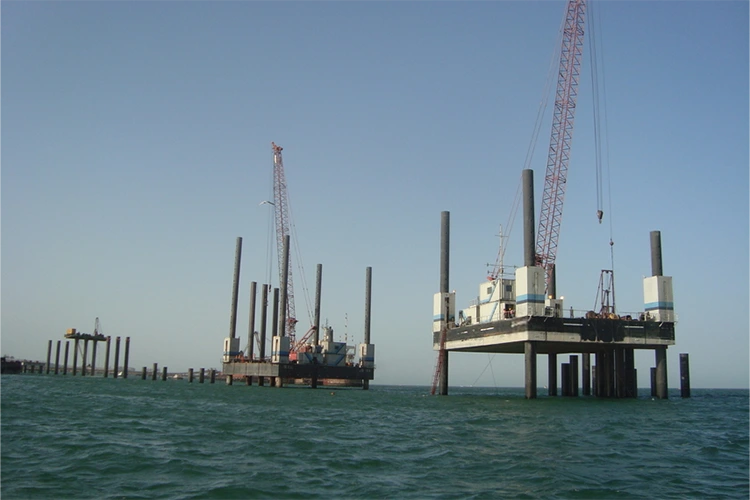
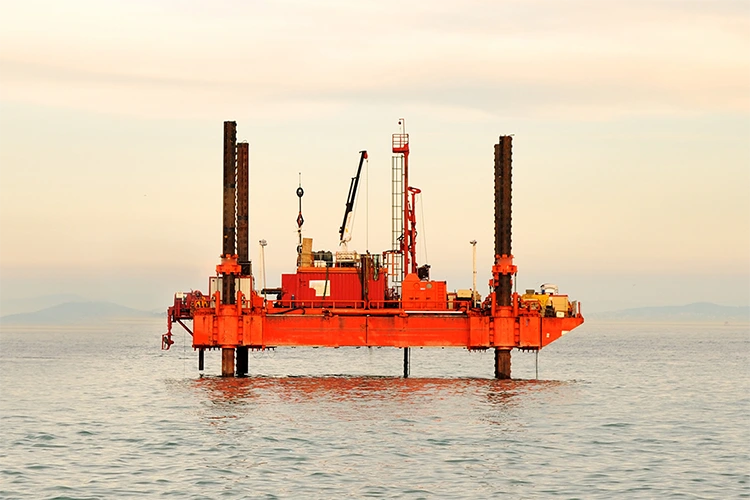
The Geological Exploration Self-elevating Platform from HAIDING SHIPYARD is designed for marine geological investigation, seabed surveying, resource exploration and offshore engineering assessment in water depths of 3–100 m. Developed and manufactured by Shandong Haiding Shipbuilding Co., Ltd., a professional China supplier, manufacturer, and factory, the platform combines a self-elevating spud-leg system, high-precision leveling, integrated exploration equipment and modular construction.
Unlike conventional floating exploration vessels that may experience continuous movement from waves and currents, this Geological Exploration Self-elevating Platform uses spud legs to elevate the working deck above the sea surface and create a relatively stable operating environment. This design is particularly useful when drilling accuracy, repeatable sampling and reliable seabed positioning are important to the project.
The platform can be configured with core drilling equipment, sonar systems, gravity samplers, water quality analyzers and other exploration equipment. Its integrated layout allows different exploration tasks to be completed from the same working platform, reducing equipment transfer between vessels and improving overall project coordination.
HAIDING SHIPYARD combines platform engineering, equipment integration and marine construction experience to develop configurations according to water depth, seabed conditions, exploration depth, payload and project requirements.
Key Performance
Stable Operation
The automatic leveling system uses high-precision inclination sensors to compensate for platform inclination in real time. Leveling accuracy can reach ±0.1°, while core drilling verticality deviation can be controlled within 0.5‰ under specified operating conditions.
This stable working environment helps reduce measurement deviation caused by platform movement and provides a more reliable foundation for geological sampling and seabed surveying.
Flexible Water Depth
The sectional truss-type spud legs can be customized from 10 to 80 m, allowing the platform to work in approximately 3–100 m water depths according to project configuration.
For shallow-water projects, shorter spud legs can reduce deployment requirements. For deeper operations, longer sections provide the required elevation and seabed penetration capability.
Accurate Positioning
GPS and BeiDou dual positioning can achieve positioning accuracy of ≤1 m. Combined with underwater sonar positioning, the platform can control repeated sampling-point deviation to approximately ≤2 m.
This positioning capability is useful for geological sampling programs that require repeated measurements or comparison of exploration data from different locations.
Exploration Capacity
The Geological Exploration Self-elevating Platform can accommodate up to 3,000 tons of total load, including personnel, materials and exploration equipment. The maximum geological sampling depth can reach 2,000 m, depending on the selected drilling system and project conditions.
Satellite communication and IoT systems can also transmit exploration information to a shore-based command center, supporting remote monitoring and data management.
Technical Parameters
|
Parameter |
Specification |
Remarks |
|
Platform Length |
40–60 m |
5–6 modular sections |
|
Platform Width |
20–25 m |
Effective deck area ≥75% |
|
Platform Depth |
5.0–6.0 m |
Configurable according to layout |
|
Spud Legs |
3 / Truss Type |
Diameter 2.5–3.0 m |
|
Spud Leg Length |
10–80 m |
For 3–100 m water depth |
|
Lifting Speed |
0.3–0.5 m/min |
Full-load lifting ≥0.3 m/min |
|
Seabed Insertion Depth |
≥8 m |
Expansion plate available |
|
Total Platform Load |
3,000 t |
Including equipment and personnel |
|
Deck Uniform Load |
60–70 kN/m² |
Exploration area ≥70 kN/m² |
|
Equipment Load |
≤100 t |
According to equipment configuration |
|
Sampling Depth |
≤2,000 m |
Core drilling system dependent |
|
Drilling Verticality |
≤0.5‰ |
After platform leveling |
|
Positioning Accuracy |
≤1 m |
GPS + BeiDou |
|
Sampling Point Deviation |
≤2 m |
With underwater positioning |
|
Data Transmission |
≥100 Mbps |
Satellite communication |
|
Main Material |
Q460 High-Strength Steel |
Deck uses NM500 wear-resistant plate |
|
Anti-Corrosion |
Heavy Marine Coating + Cathodic Protection |
Underwater protection ≥15 years |
|
Leveling Accuracy |
±0.1° |
Automatic compensation |
|
Wind Resistance |
Grade 11 |
According to configured condition |
|
Emergency Power |
200 kW |
Emergency generator |
|
Classification |
ABS/CCS |
Certification available according to project |
Application Areas
Resource Exploration
The Geological Exploration Self-elevating Platform can support offshore oil and gas exploration, seabed mineral investigation and other marine resource projects. Core drilling systems can obtain deep geological samples, while gravity samplers and sonar equipment can assist in seabed resource assessment.
For offshore mineral exploration, equipment can be configured for sampling polymetallic nodules, cobalt-rich crusts and other seabed deposits, providing physical samples and positioning information for subsequent analysis.
Seabed Survey
For seabed topographic and geological surveying, the platform can integrate multi-beam sonar, geological sampling equipment and positioning systems. It can provide field data for waterway planning, artificial island construction, offshore infrastructure and marine geological research.
The elevated working deck also provides a more stable base for exploration equipment than conventional floating arrangements in suitable operating conditions.
Environment Monitoring
The platform can be equipped with water quality analyzers, underwater cameras and biological sampling equipment for marine environmental monitoring. Parameters such as seawater temperature, salinity, pH and pollutant concentration can be collected according to the selected monitoring system.
It can also support ecological surveys in coastal and offshore areas where a stable stationary working platform is required.
Marine Engineering
Before offshore wind farms, cross-sea bridges and other marine infrastructure are constructed, seabed geological information is essential for foundation design and engineering assessment.
The platform can perform seabed sampling and geological investigation around proposed construction areas, helping project teams understand soil conditions, bearing characteristics and geological layers before construction.
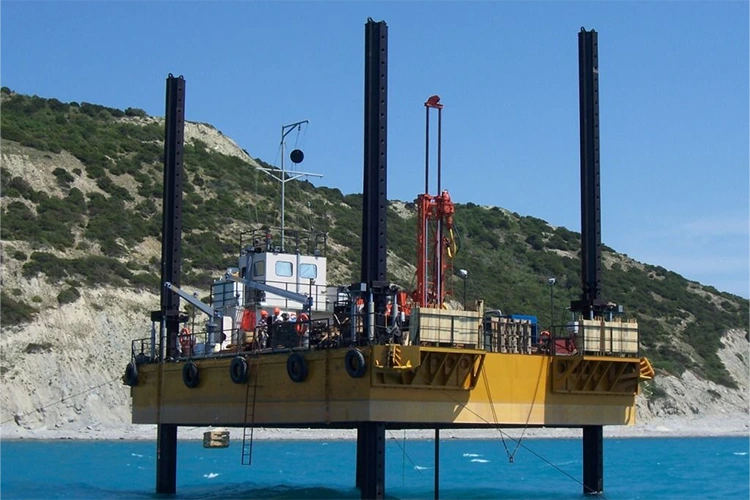
Modular Design
Easy Transport
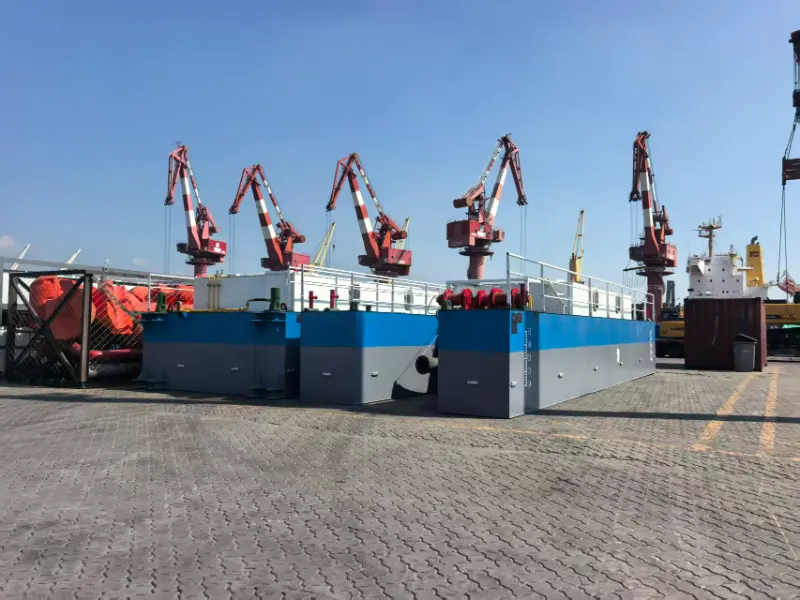
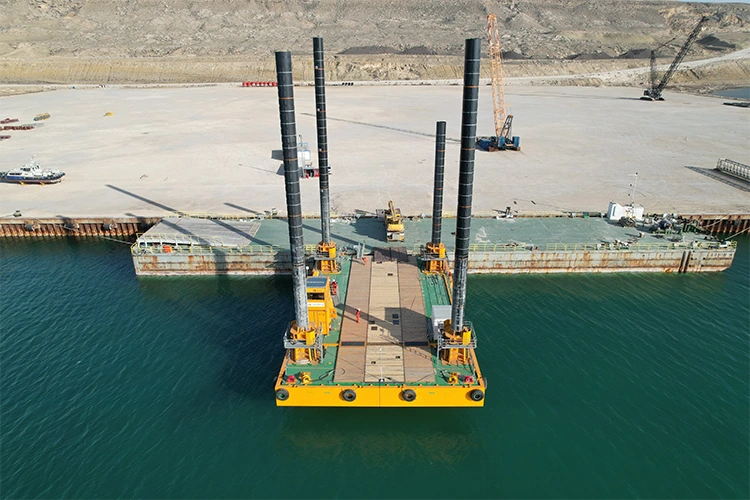
The platform can be divided into approximately 5–6 sections, with the maximum single section weight controlled at around 100 tons according to the configuration. Modular sections can be transported by ocean-going barges or semi-submersible vessels.
This approach allows the equipment to be delivered to project areas where transporting a complete large platform would be difficult.
Fast Assembly
Platform sections can be connected using flanges, prestressed bolts and marine lifting equipment. Under suitable site conditions, the assembly period can be approximately 15 days.
The modular structure also allows project-specific equipment and auxiliary systems to be installed during assembly.
Simple Maintenance
Exploration equipment can use modular plug-in configurations, allowing individual systems to be removed and replaced without dismantling the complete platform.
The spud-leg rack uses wear-resistant alloy steel with hardness of approximately ≥400 HB, helping reduce wear during repeated lifting and lowering operations.
Quality Assurance
Production Control
HAIDING SHIPYARD applies standardized production and inspection procedures throughout platform construction, including material inspection, welding control, dimensional verification, equipment integration and functional testing.
The company operates management systems certified to GB/T19001-2016/ISO9001:2015, GB/T23331-2020/ISO50001:2018, RB/T119-2015 and GB/T45001-2020/ISO45001:2018, supporting controlled manufacturing and project execution.
Marine Protection
The platform uses Q460 high-strength steel for the main structure and NM500 wear-resistant steel for selected deck areas. Deep-sea heavy-duty anti-corrosion coatings combined with cathodic protection are applied to underwater structures according to project requirements.
This configuration helps the platform withstand long-term exposure to seawater and demanding marine working environments.
Safety System
The platform can be equipped with emergency generators, manual spud-leg recovery systems, inclination monitoring, water-depth monitoring and geological data monitoring.
Real-time operating information can be transmitted to a shore-based control center, allowing project personnel to monitor important operating conditions during exploration.
Custom Solutions
Platform Configuration
HAIDING SHIPYARD can adjust platform dimensions, spud-leg length, deck layout, load capacity and accommodation according to water depth, seabed conditions and project requirements.
For specialized environments, additional systems such as insulation, heating, enhanced anti-corrosion protection or environmental monitoring equipment can be integrated.
Exploration Equipment
The platform can be configured with core drills, sonar detectors, gravity samplers, water quality analyzers, underwater cameras and other equipment.
For projects requiring deeper geological investigation, drilling systems can be configured for sampling depths of up to 3,000 m according to the project design.
Project Support
HAIDING SHIPYARD can provide technical support for platform configuration, equipment integration, international classification requirements and offshore operation preparation. ABS, CCS and DNV-related certification support can be considered according to project specifications.
This makes the Geological Exploration Self-elevating Platform suitable for project-based procurement where platform engineering, exploration equipment and marine operational requirements need to be coordinated by one experienced manufacturer.
Real Project Application
A marine exploration project required a stable working platform for geological sampling and seabed investigation in variable water-depth conditions. Conventional floating equipment faced difficulties maintaining stable drilling positions during changing sea conditions, affecting sampling efficiency and repeatability.
HAIDING SHIPYARD configured a self-elevating platform with adjustable spud-leg length, automatic leveling, GPS/BeiDou positioning and integrated drilling and sonar equipment. The modular structure also allowed the platform to be transported to the project area in sections and assembled locally.
After deployment, the elevated working deck provided a stable base for exploration operations, while the positioning and leveling systems helped maintain consistent sampling locations. The integrated equipment arrangement also reduced the need for frequent equipment transfers between different vessels.
The resulting solution improved operational coordination and provided the project team with a more suitable platform for continuous geological investigation and seabed data collection.
FAQ
What water depth can it operate in?
The standard configuration is designed for approximately 3–100 m water depth. Spud-leg length can be customized from 10–80 m according to the seabed and operating conditions.
How deep can it sample?
The standard geological sampling capability can reach up to 2,000 m. Deeper drilling systems, including configurations for up to 3,000 m, can be considered for specific projects.
Can the platform be customized?
Yes. HAIDING SHIPYARD can customize platform dimensions, spud-leg length, payload, deck layout, exploration equipment and communication systems according to the customer's project requirements.
Can you provide classification support?
Yes. Classification and project certification support can be provided according to the required standard and project specifications, including ABS, CCS and DNV-related requirements.
Send Inquiry
Contact Info
-
Address
No. 8888, Wanhong Avenue, Huanglou Sub-district, Qingzhou City, Weifang City, Shandong Province, China
-
Tel
-
Email
Looking to buy a dredger, tugboat or custom engineering vessel? Send your requirements to HAIDING SHIPYARD for product details, technical consultation and a competitive shipbuilding quotation.
News Recommendations