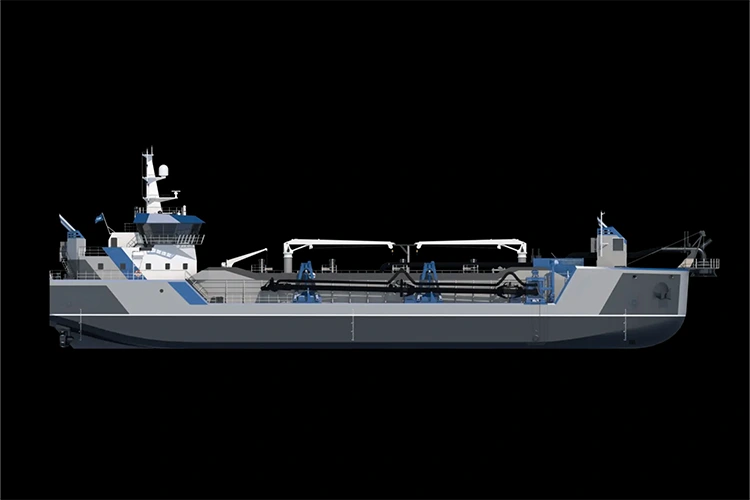
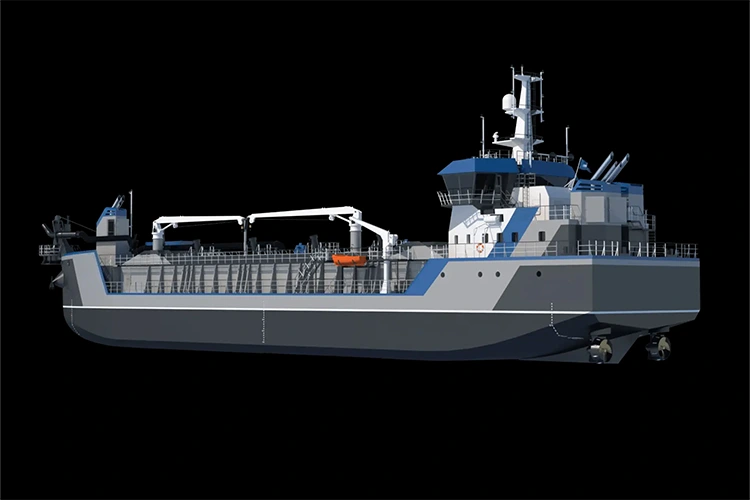
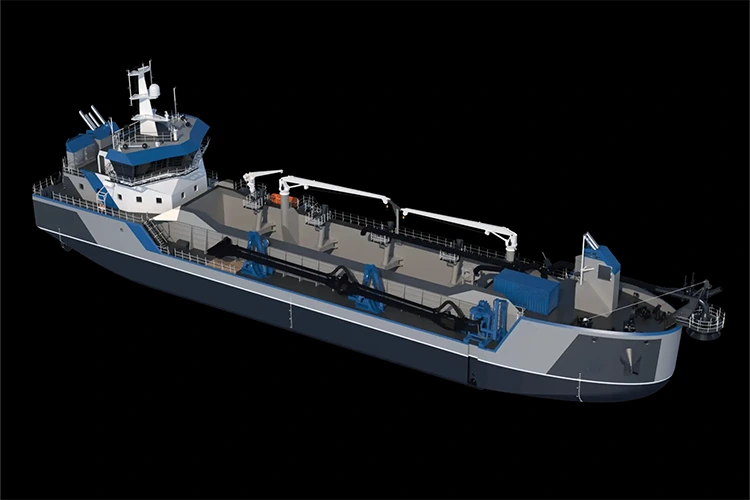
Trailing Suction Hopper Dredger
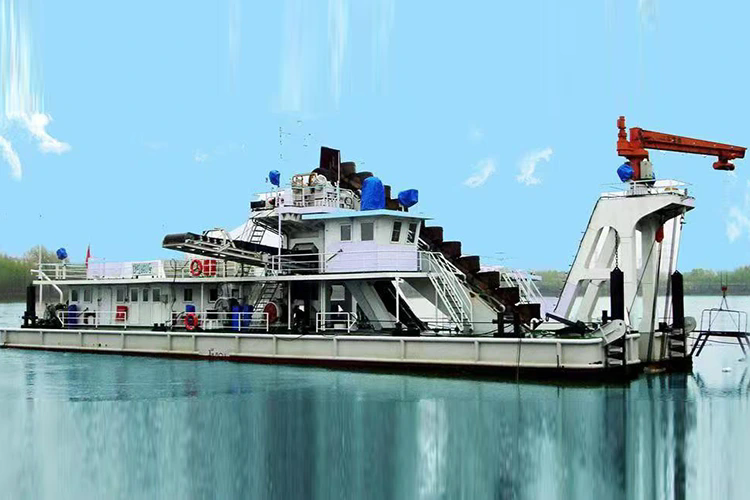
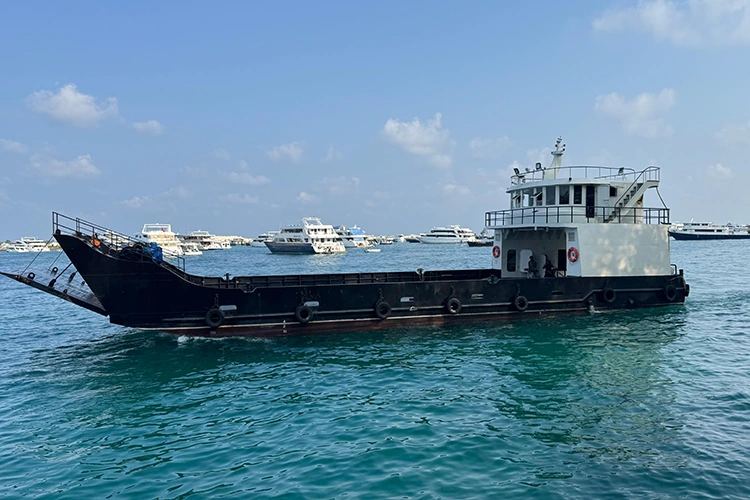
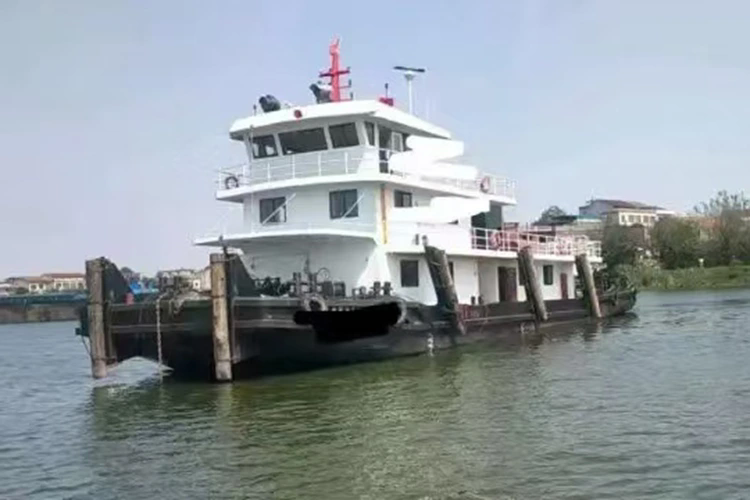
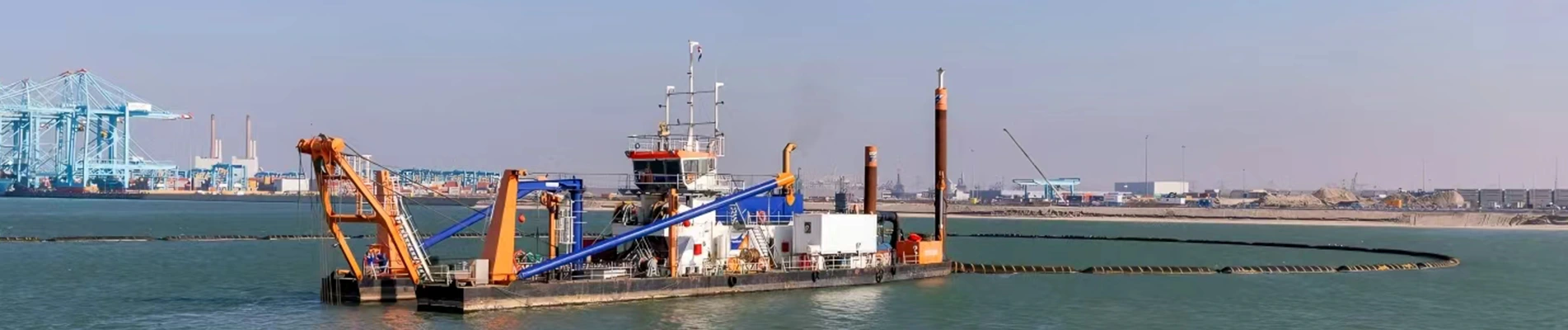
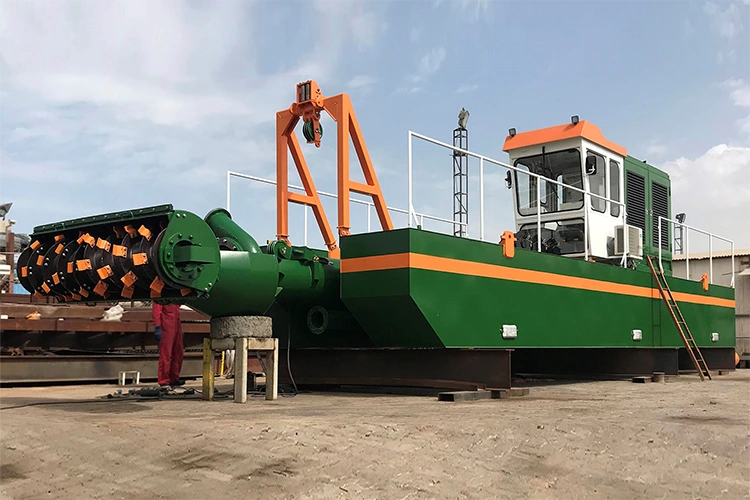
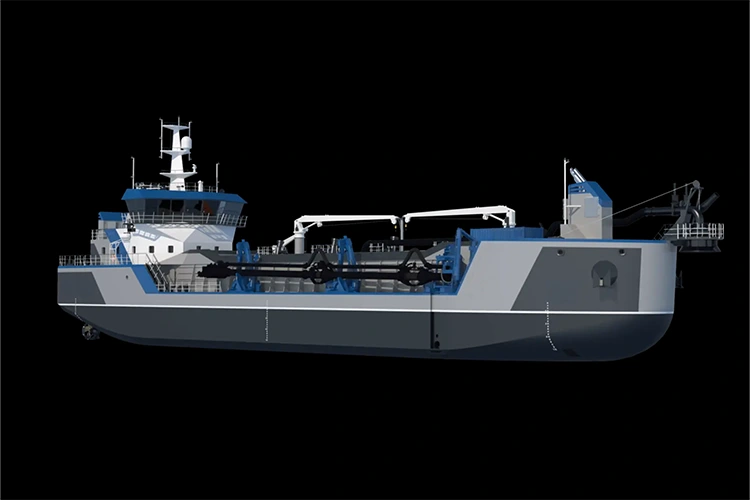
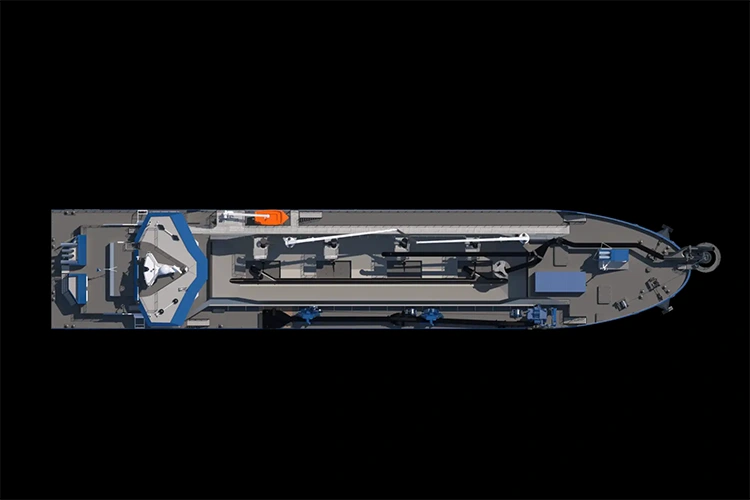
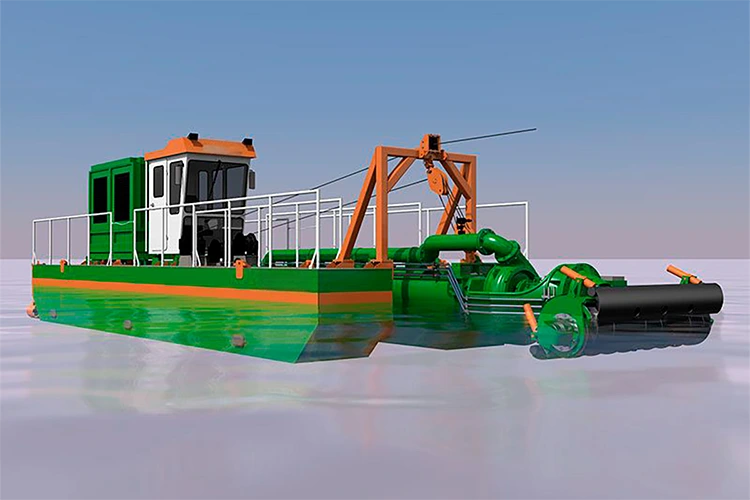
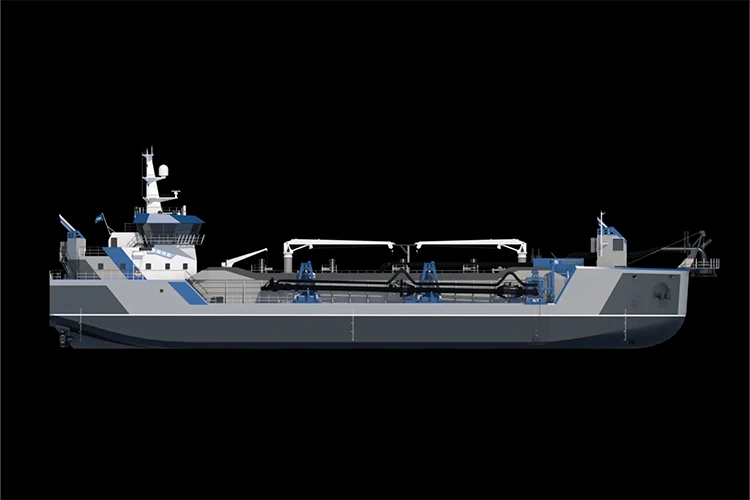
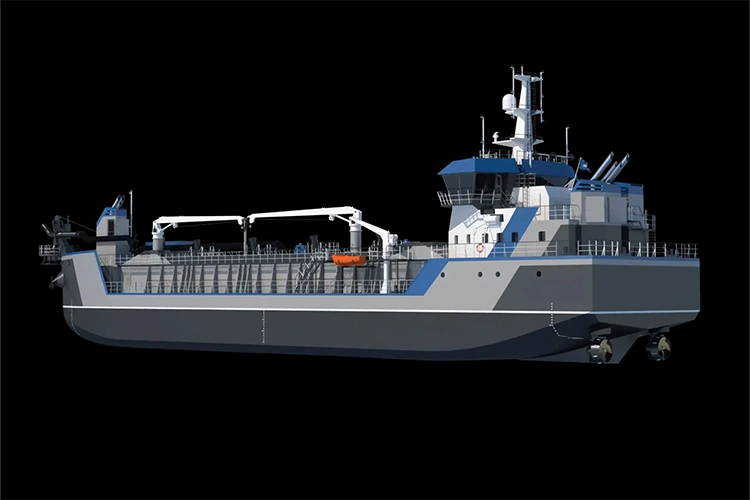
HAIDING SHIPYARD Trailing Suction Hopper Dredger is a self-propelled dredging vessel from a China Manufacturer and Supplier, designed for waterway, port, reclamation, and estuary dredging. It integrates dredging, onboard material loading, transportation, and discharge, with a hull length of 80–120 m and a mud hold capacity of 2,000–5,000 m³.
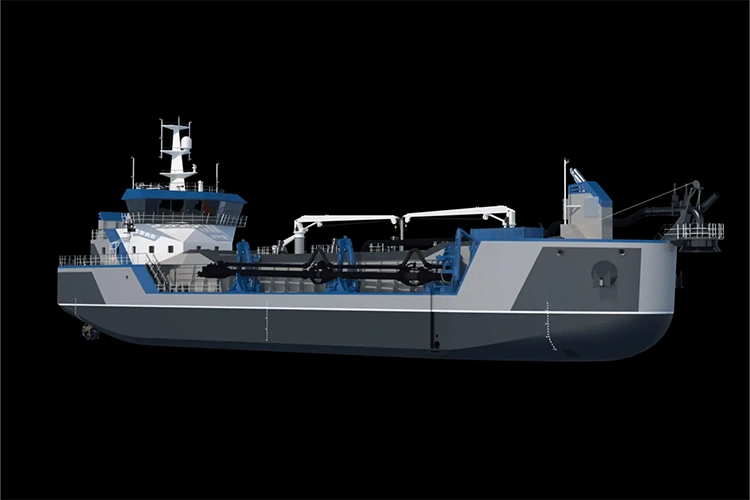
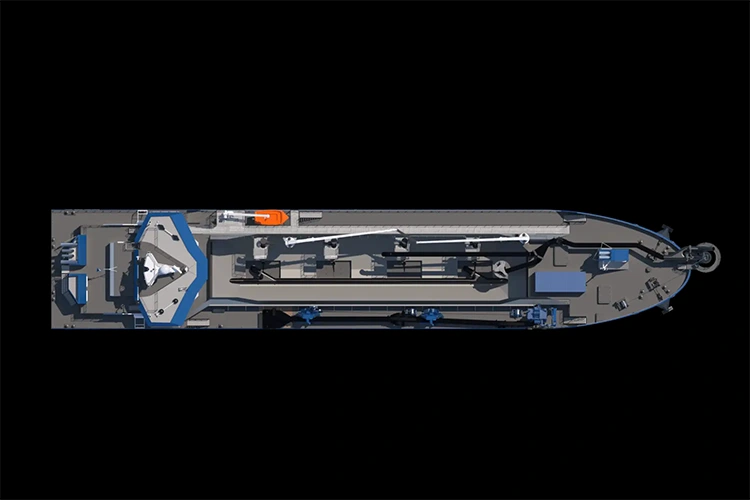
HAIDING SHIPYARD Trailing Suction Hopper Dredger is a self-propelled dredging vessel manufactured by a China dredging vessel factory for medium-depth waterways and offshore dredging operations. The vessel combines a dual rake head dredging system, suction system, large-capacity mud hold, overflow control system, and mud discharge system to handle the complete process from seabed excavation to dredged material transportation and discharge.
The dredger uses two 1,200 kW main propulsion systems and has a stated operating speed of 12–15 km/h. The dredging system is equipped with two rake heads and a 250 m³/h suction pump, while the mud hold provides 2,000–5,000 m³ of onboard capacity.
Key Features
Self-Propelled Operation
The dredger is equipped with two 1,200 kW main propulsion systems, providing a stated operating speed of 12–15 km/h and a cruising range of ≥3,000 nautical miles.
Dual Rake Head Dredging
Two rake heads are used for seabed excavation and suction. Each rake head has an excavation width of 3–5 m and an excavation force of 450 kN.
The rake teeth use wear-resistant alloy material with a hardness of ≥60 HRC. The hydraulic system allows the rake head angle to be adjusted from 0° to 30°.
Suction System
The dredging system uses a 250 m³/h suction pump with a working pressure of ≥1.5 MPa and a 600 mm suction pipe.
The specified mud suction concentration is ≥35%.
Large-Capacity Mud Hold
The mud hold has a capacity of 2,000–5,000 m³ and can be divided into 2–4 independent cabins.
The stated full-load rate is ≥90%, providing onboard storage for transporting dredged material to the designated discharge or reclamation area.
Overflow and Mud Discharge
An automatic overflow valve and concentration sensor are installed in the mud hold. The overflow system is specified to activate when the material concentration is ≤20%.
Mud discharge uses a bottom-door and fill-pump system. The fill pump capacity is 500 m³/h, with a stated discharge time of ≤4 hours for the 5,000 m³ configuration.
Marine Steel Hull and Corrosion Protection
The main hull structure uses CCSB marine steel plates with a specified thickness of 16–25 mm. The mud hold uses 10 mm NM450 wear-resistant lining plates.
The outer hull is protected by fluorocarbon coating with a dry film thickness of ≥300 μm and sacrificial-anode cathodic protection.
Technical Specifications
|
Parameter |
Specification |
|
Product Type |
Trailing Suction Hopper Dredger |
|
Hull Length |
80–120 m |
|
Molded Width |
18–25 m |
|
Molded Depth |
8–12 m |
|
Main Hull Material |
CCSB marine steel plate |
|
Main Structure Thickness |
16–25 mm |
|
Mud Hold Capacity |
2,000–5,000 m³ |
|
Main Propulsion |
2 × 1,200 kW |
|
Operating Speed |
12–15 km/h |
|
Cruising Range |
≥3,000 nautical miles |
|
Rake Heads |
2 sets |
|
Rake Head Width |
3–5 m per rake head |
|
Excavation Force |
450 kN per rake head |
|
Rake Tooth Hardness |
≥60 HRC |
|
Rake Head Angle |
0–30° |
|
Suction Pump Capacity |
250 m³/h |
|
Suction Pump Pressure |
≥1.5 MPa |
|
Suction Pipe Diameter |
600 mm |
|
Mud Suction Concentration |
≥35% |
|
Maximum Dredging Depth |
≤15 m |
|
Mud Discharge System |
Bottom door + fill pump |
|
Fill Pump Capacity |
500 m³/h |
|
Main Generators |
3 × 1,500 kW |
|
Emergency Generator |
1 × 300 kW |
|
Total Displacement |
5,000–10,000 t |
|
Operating Temperature |
-15°C to 45°C |
|
Classification Options |
CCS / ABS / DNV |
Reference Dredging Depth
|
Seabed Condition |
Reference Depth |
|
Soft Soil |
15 m |
|
Sand Layer |
12 m |
|
Weathered Rock Layer |
8 m |
Actual dredging performance depends on seabed conditions and the final vessel configuration.
Applications
Waterway Dredging
Suitable for waterway widening, deepening, and maintenance dredging.
Port and Berth Dredging
Used for dredging berth areas, turning areas, and approach waterways during port construction or maintenance.
Reclamation
The onboard mud hold and discharge system support projects where dredged material needs to be transported to designated reclamation or filling areas.
Estuary and Harbor Dredging
Suitable for sediment removal in estuaries, harbors, and other areas requiring regular dredging and material transportation.
Customization
HAIDING SHIPYARD can configure the dredger according to project requirements, including mud hold capacity, rake head configuration, and equipment adaptations for different operating environments.
The supplied product data also specifies options such as ice-resistant rake teeth, hull heating for polar applications, enhanced heat dissipation for tropical areas, and mud hold ventilation.
FAQ
What is the dredging depth of the Trailing Suction Hopper Dredger?
The specified maximum dredging depth is ≤15 m. The reference depths are 15 m for soft soil, 12 m for sand layers, and 8 m for weathered rock layers.
What is the mud hold capacity?
The standard stated capacity is 2,000–5,000 m³. A larger capacity can be considered according to project requirements.
Can the dredger operate without a tugboat?
The vessel is self-propelled and equipped with two 1,200 kW main propulsion systems, allowing it to carry out navigation and dredging operations without routine reliance on an external tugboat.
Can the dredger be customized?
Yes. Configuration can be adjusted according to dredging depth, seabed conditions, required mud hold capacity, operating environment, and classification requirements.
Send Inquiry
Contact Info
-
Address
No. 8888, Wanhong Avenue, Huanglou Sub-district, Qingzhou City, Weifang City, Shandong Province, China
-
Tel
-
Email
Looking to buy a dredger, tugboat or custom engineering vessel? Send your requirements to HAIDING SHIPYARD for product details, technical consultation and a competitive shipbuilding quotation.
Related Products
News Recommendations