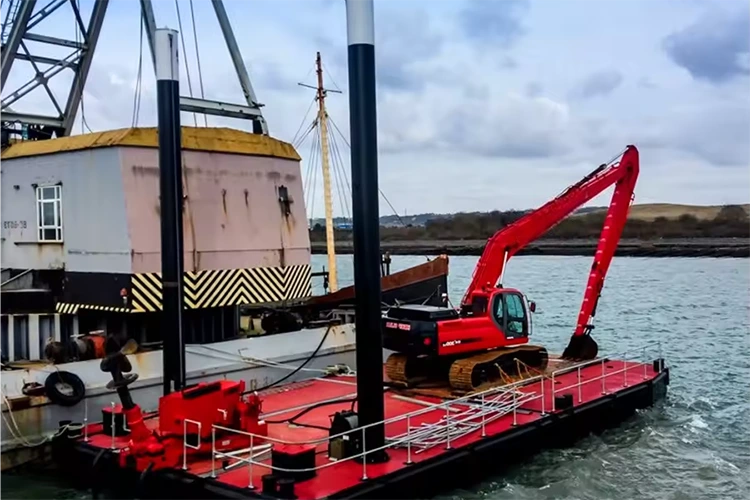
Backhoe Dredger
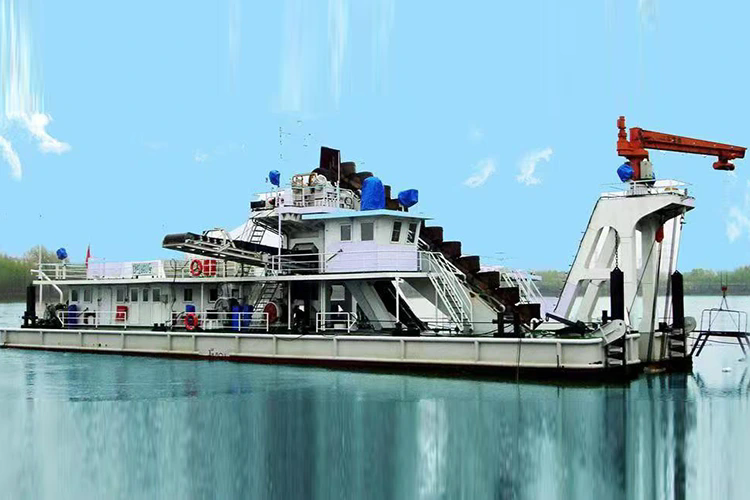
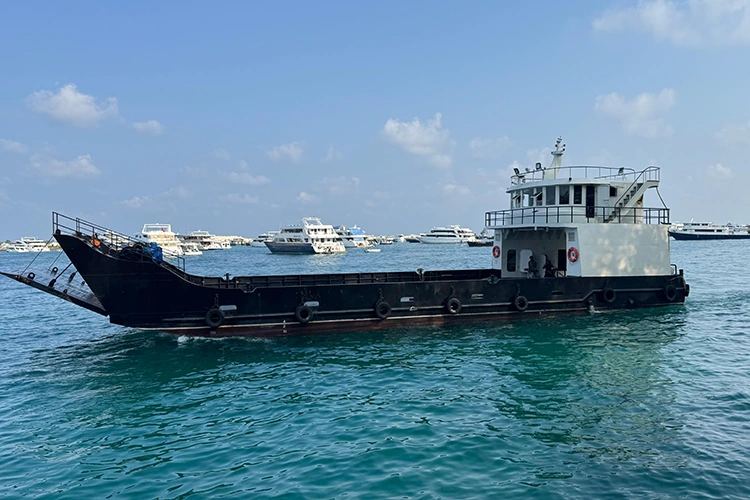
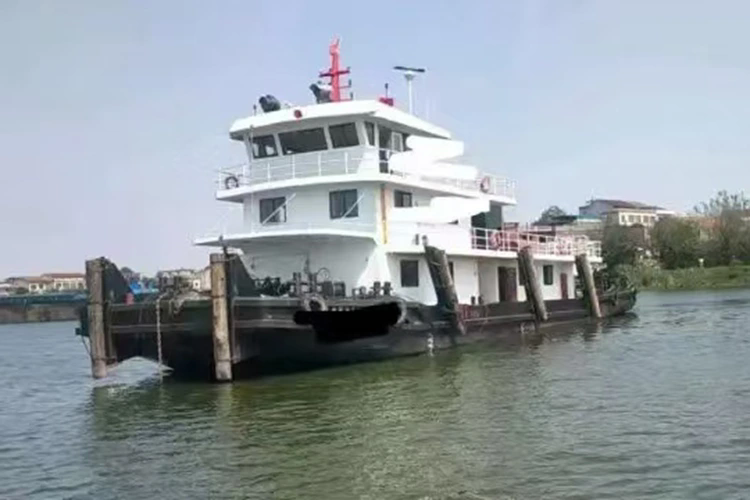
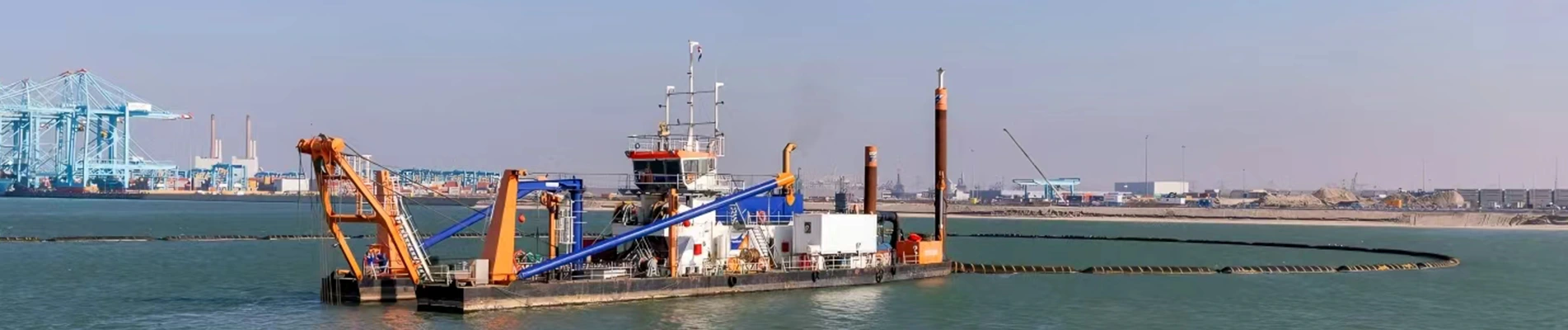
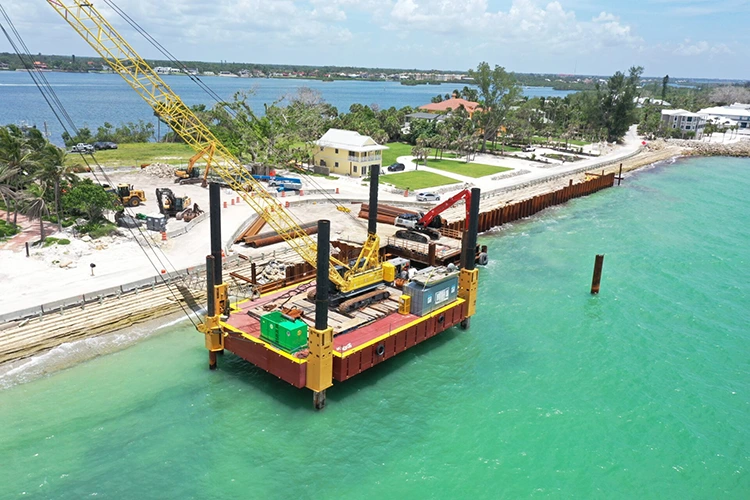
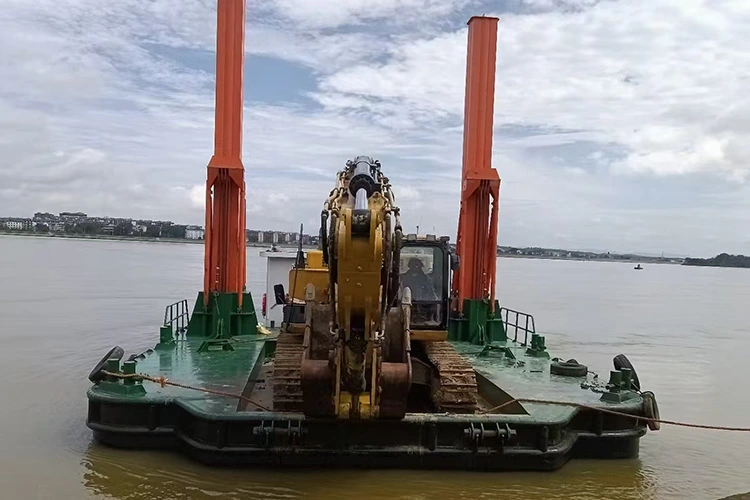
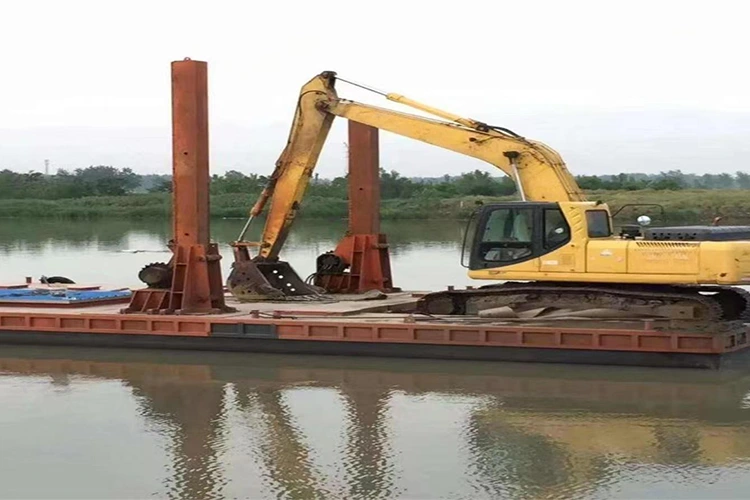
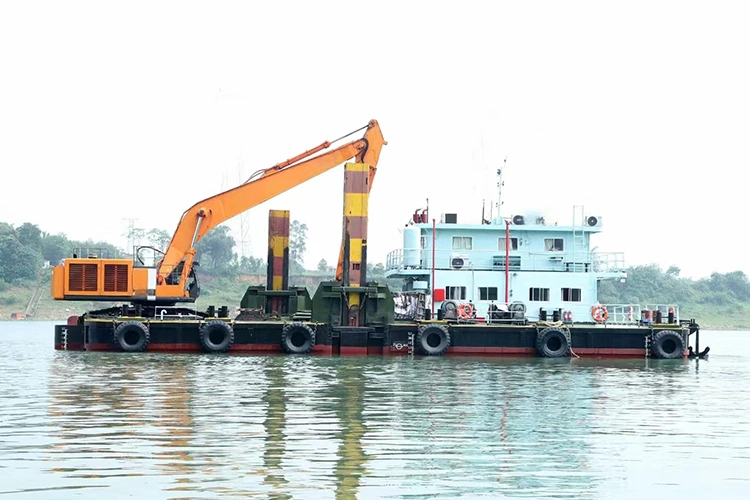
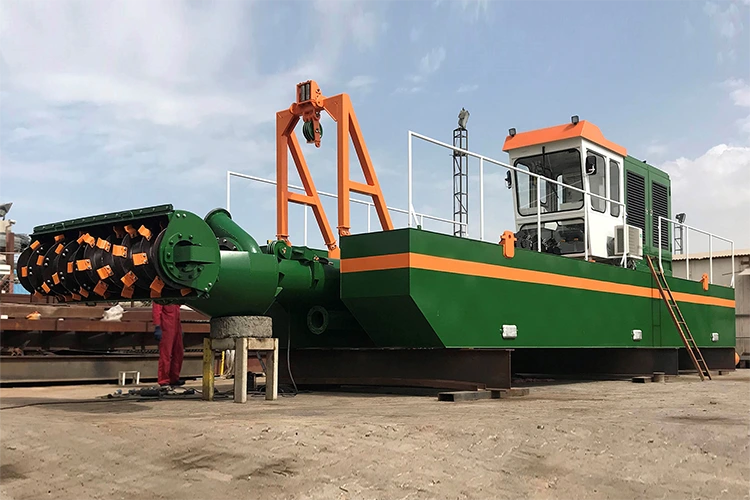
HAIDING SHIPYARD Backhoe Dredger manufacturer offers customized dredging equipment for global buyers. This mechanical dredging vessel features precise excavation control, shallow water operation capability, strong structural design, and flexible bucket configurations. Suitable for port maintenance, inland waterway dredging, coastal construction, and sediment removal projects, it provides reliable solutions for different underwater excavation conditions.
HAIDING SHIPYARD Backhoe Dredger is designed for underwater excavation projects requiring accurate digging and flexible operation. Equipped with a hydraulic backhoe system, reinforced marine steel structure, and adjustable bucket options, it can handle various materials including mud, sand, gravel, and hard soil layers. The vessel is suitable for ports, rivers, reservoirs, and coastal areas where controlled dredging performance is required. With customizable hull dimensions, working depth, and equipment configurations, HAIDING SHIPYARD provides engineering ship solutions adapted to different dredging environments.
What Is a Backhoe Dredger?
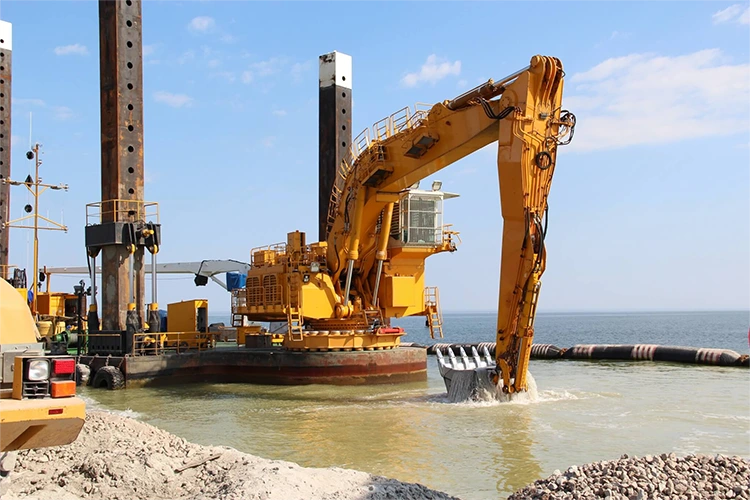
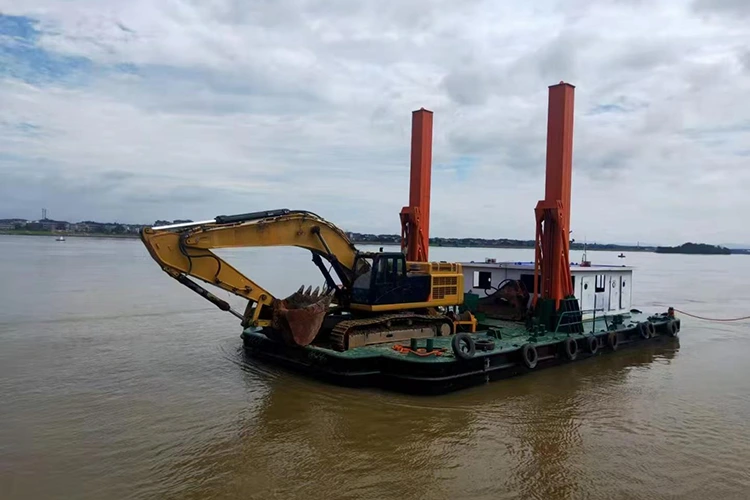
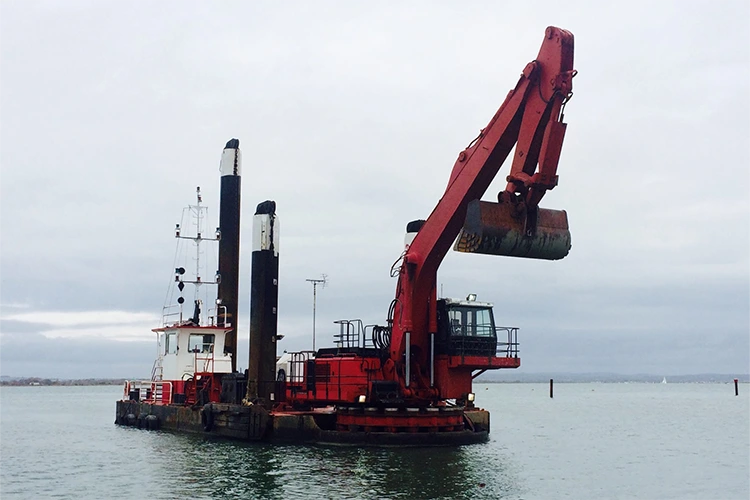
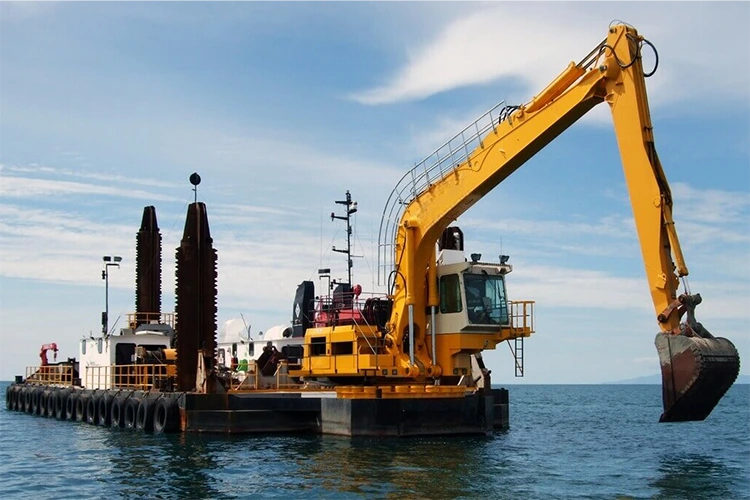
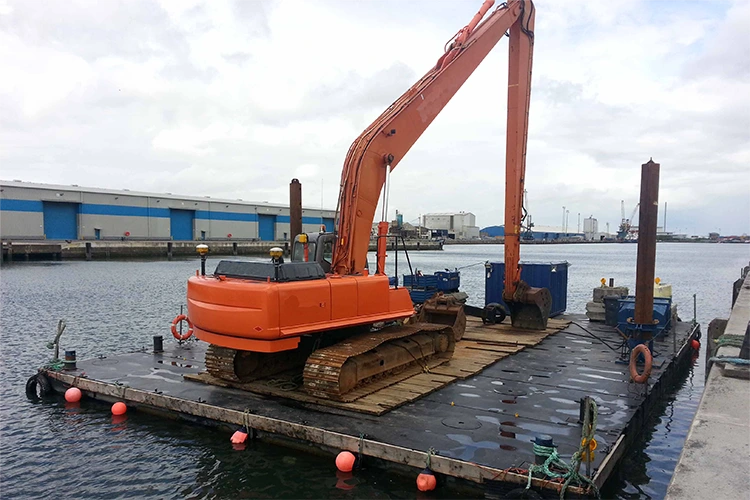
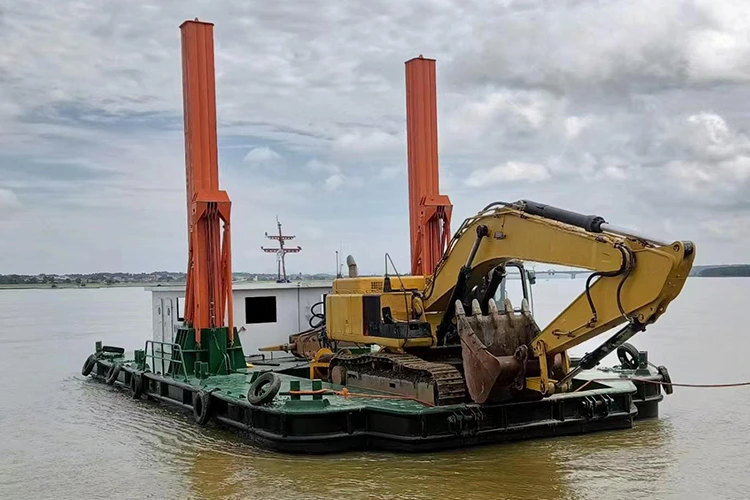
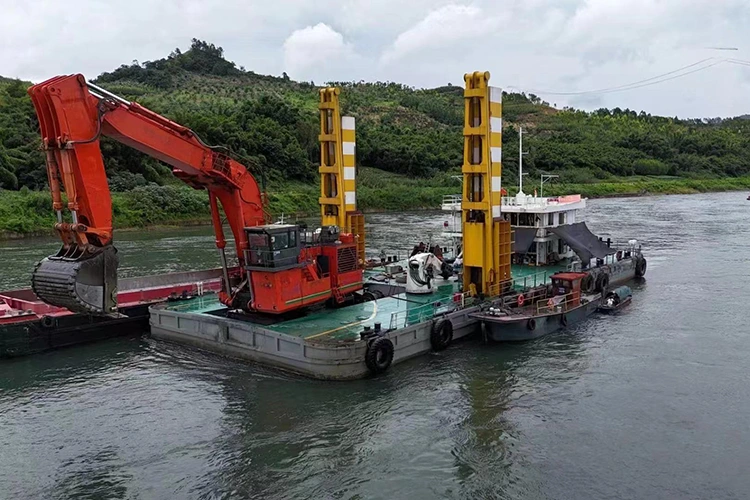
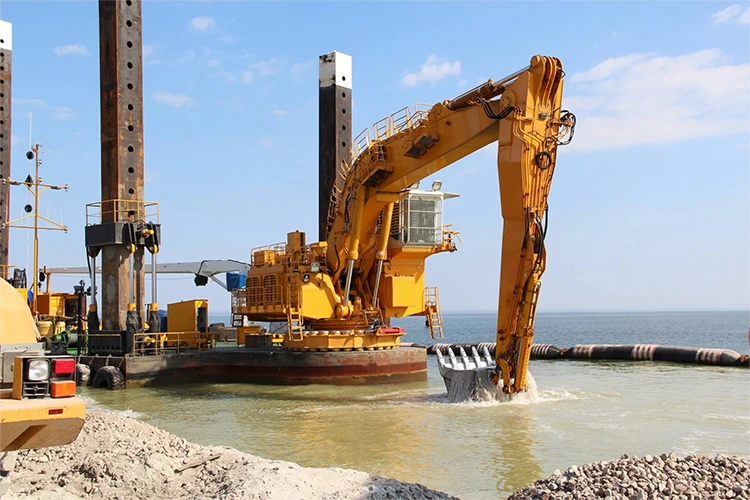
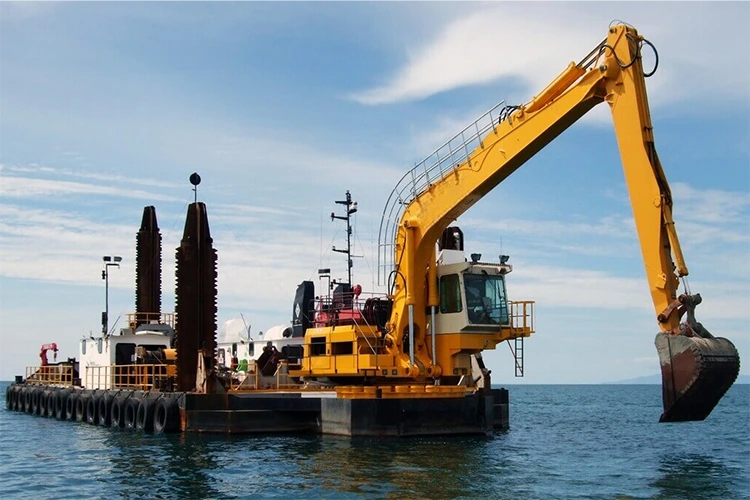
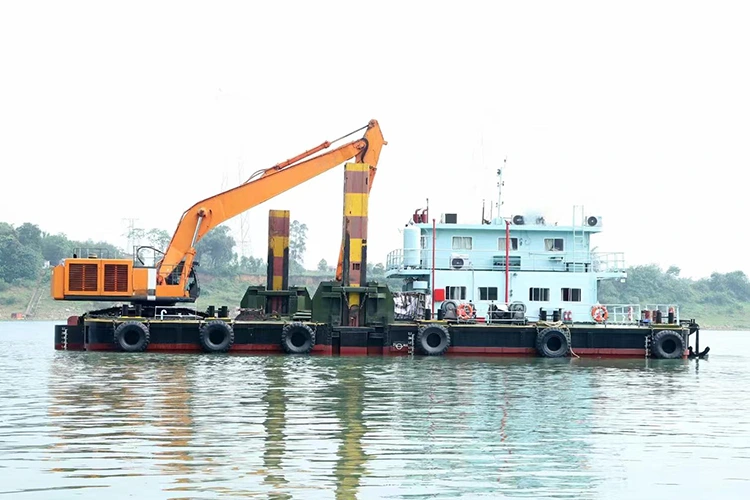
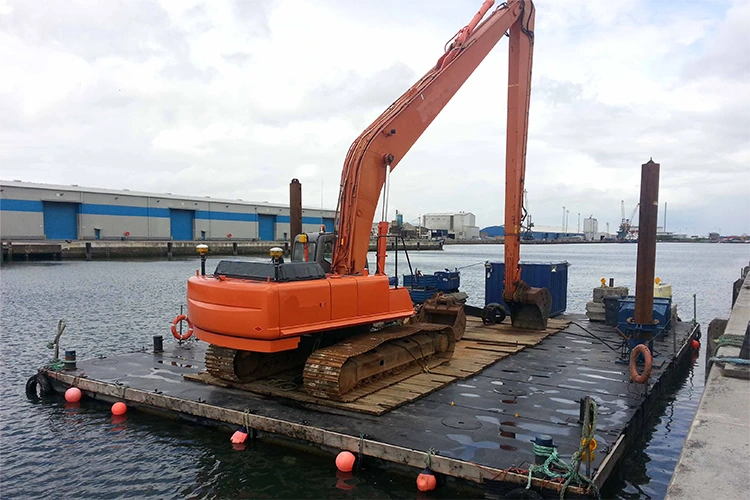
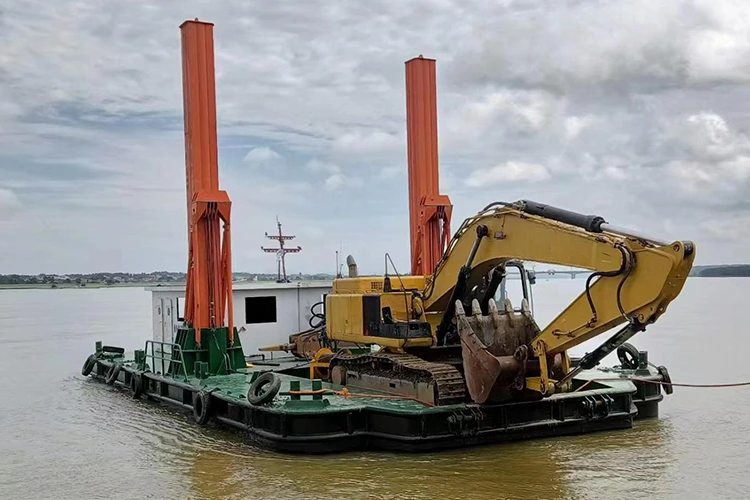
A Backhoe Dredger is a type of hydraulic dredging vessel equipped with a backhoe excavator system installed on a floating platform. Unlike suction-based dredging equipment, it removes sediment through mechanical excavation using a bucket mounted on a hydraulic arm.
The equipment is mainly used for underwater excavation, sediment removal, hard soil digging, and construction preparation in ports, rivers, channels, and coastal areas. Due to its direct digging capability, it is suitable for projects where accurate excavation depth and controlled material removal are required.
HAIDING SHIPYARD designs and manufactures backhoe dredging equipment with different hull sizes, bucket capacities, and working configurations according to project requirements.
How Does it Work?
A Backhoe Dredger operates through a hydraulic-driven excavator arm system. The operator controls the boom, stick, and bucket movements to complete underwater excavation.
The basic working process includes:
1. Positioning the Dredger
The vessel is positioned at the designated dredging area through anchoring systems, spuds, or positioning equipment. Stable positioning helps maintain excavation accuracy during operation.
2. Lowering the Excavator Arm
The hydraulic arm extends below the water surface and places the bucket onto the seabed or riverbed. The bucket size can be selected according to sediment conditions and excavation requirements.
3. Excavating and Lifting Material
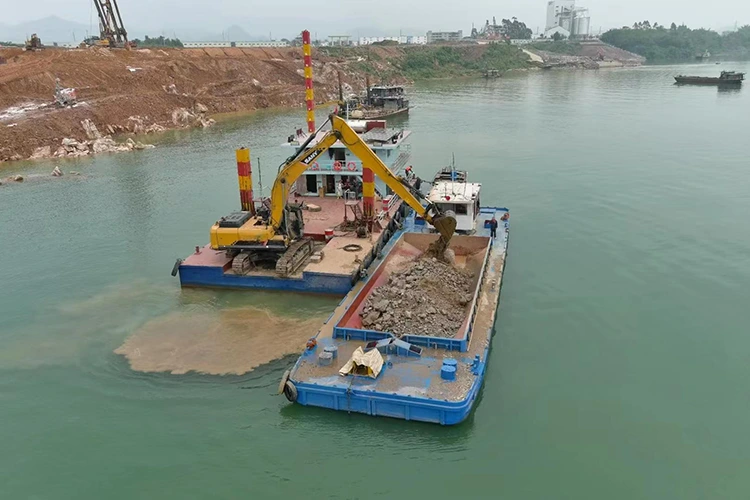
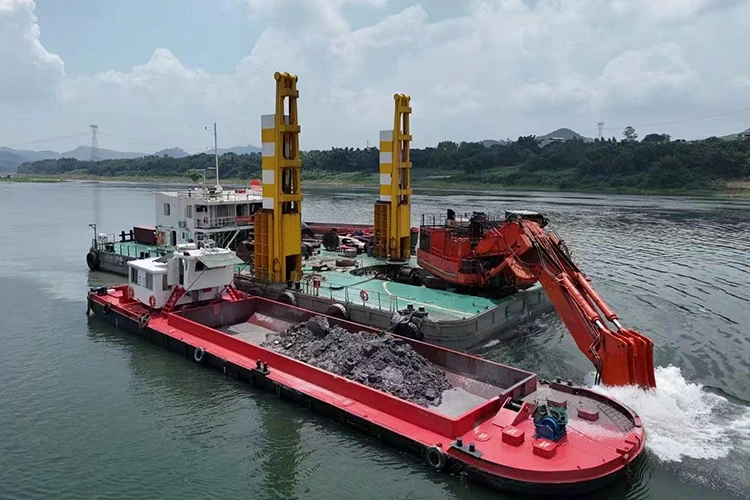
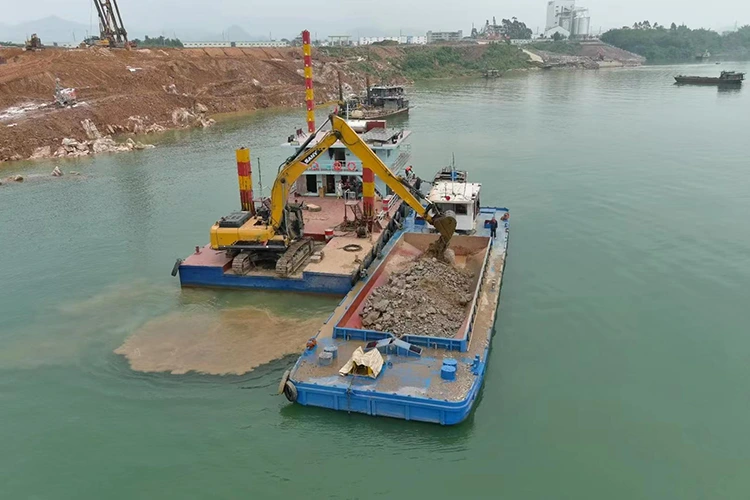
The bucket cuts into the underwater soil layer, collects sediment, and lifts the material onto the working platform or into transport equipment.
4. Material Transportation
The excavated material can be transferred through barges, conveyors, or other transport systems depending on the project layout.
This mechanical excavation method allows the dredger to handle various materials, including mud, sand, gravel, and harder soil layers.
Key advantages
Suitable for Different Soil Conditions
The hydraulic excavation system enables the Backhoe Dredger to handle various underwater materials with high versatility. By selecting suitable buckets or specialized attachments, it can effectively perform soft sediment removal, sand and gravel excavation, hard soil digging, as well as rock and obstacle removal with additional tools, making it suitable for a wide range of dredging and excavation applications.
Different bucket capacities allow operators to adjust excavation volume according to project requirements.
Accurate Excavation Control
Compared with some conventional dredging methods, mechanical bucket excavation provides direct control over digging position and depth.
The equipment can be configured with positioning systems and monitoring devices to support:
1.Controlled excavation depth
2.Precise dredging area management
3.Reduced unnecessary excavation
4.Improved seabed profile accuracy
This makes it suitable for applications such as berth maintenance and navigation channel improvement.
Operation in Shallow Water Areas
The hull structure of a Backhoe Dredger can be designed with shallow draft characteristics, allowing operation in areas where larger dredging vessels may have limitations.
Typical working environments include:Inland waterways, River branches, Shallow coastal zones and Harbor construction areas.
The wide hull design improves stability during excavation operations.
Flexible Attachment Options
The excavator system can be equipped with different attachments according to working conditions.
Common options include a standard excavation bucket for sediment removal, a heavy-duty bucket for handling harder materials, a hydraulic breaker for breaking obstacles, and a grab bucket for efficient debris handling, allowing the Backhoe Dredger to adapt to different underwater excavation and material handling requirements.
These configurations allow one vessel to perform multiple underwater construction tasks.
Product specification
|
Parameter Category |
Specific Item |
Specification Range |
Remarks |
|
Basic Dimensions |
Total Hull Length (m) |
45-70 |
Molded width 10-16m, molded depth 3.0-4.5m |
|
|
Unloaded Draft (m) |
0.8-1.2 |
Minimum working water depth 0.8m, adapted to shallow water |
|
|
Loaded Draft (m) |
1.5-2.2 |
Ensures stability of heavy-load operations |
|
|
Total Displacement (t) |
600-1200 |
Including equipment, fuel, personnel and materials |
|
Dredging Performance |
Maximum Dredging Depth (m) |
8-12 |
Maximum 12m in bucket mode, 8m in breaking mode |
|
|
Bucket Capacity (m³) |
4-8 |
Large-capacity bucket optional, adapting to different dredging needs |
|
|
Maximum Digging Force (kN) |
320-450 |
Stick digging force ≥280kN, bucket digging force ≥450kN |
|
|
Daily Dredging Volume (m³) |
6000-9000 |
4000-6000m³ under hard soil conditions |
|
|
Mud Treatment Capacity |
Mud pump flow 120-180m³/h, working pressure ≥1.0MPa |
Supports pipeline transportation (≤300m) or conveyor belt transportation (≤50m) |
|
Power & Control |
Power System |
2 sets of 600-800kW diesel generators (main) + 1 set of 200kW emergency generator |
Meets simultaneous operation of excavation + mud transfer |
|
|
Hydraulic System Pressure (MPa) |
25-32 |
Hydraulic pump flow 200-300L/min, fast action response |
|
|
Control Method |
Cab control + wireless remote control (effective distance ≥50m) |
Control accuracy ±0.5°, easy to operate |
|
|
Positioning Accuracy |
≤10m (GPS+Beidou dual-mode) |
Repeated positioning deviation of dredging points ≤5m |
|
Structure & Material |
Hull Material |
Main structure: CCSB marine steel plate (thickness 12-18mm); Excavator arm: High-strength alloy steel |
Yield strength ≥235MPa, complying with marine steel specifications |
|
|
Bucket Material |
Wear-resistant alloy steel plate + alloy liner |
Brinell hardness ≥350HB, wear-resistant |
|
|
Anti-Corrosion Treatment |
Fluorocarbon anti-corrosion coating + cathodic protection |
Underwater anti-corrosion life ≥10 years |
|
Safety Configuration |
Wind Resistance Grade |
≤Grade 6 (wind speed ≤10.8m/s) |
Operation state; berthing state ≤Grade 8 |
|
|
Emergency System |
Automatic fire extinguishing system (gas + sprinkler), emergency drainage pump, life-saving equipment |
Equipped with life rafts (1 per 10 people) and life jackets (for all) |
|
|
Operating Environment Temperature |
-20℃~45℃ |
Adapt to cold and high-temperature area operations |
|
Certification Standard |
Product Certification |
CCS/ABS/DNV classification society certification |
Complies with Dredger Construction Specifications & Inland Ship Statutory Inspection Technical Rules |
Applications
Port and Harbor Maintenance
Ports require regular sediment removal to maintain navigation depth. The equipment can remove accumulated mud, sand, and deposited materials around:Ship berths, Harbor entrances, Turning basins and Dock foundations.
Its controlled excavation capability helps maintain required water depth around port facilities.
Inland Waterway Dredging
In rivers and inland channels, sediment accumulation may affect navigation capacity and water flow.
A Backhoe Dredger can be used for Channel widening, Riverbed cleaning, Navigation route maintenance and Flood control dredging.
Its shallow water operation capability makes it suitable for complex inland environments.
Coastal Construction Projects
During coastal development projects, dredging equipment is often required for seabed preparation and material removal.
Typical applications include Coastal reclamation preparation, Marine infrastructure construction, Foundation excavation and Underwater obstacle removal.
Emergency Dredging Operations
After floods, storms, or other natural events, waterways may contain deposited sediment and debris.
Mechanical dredging equipment can assist with Channel recovery, Blockage removal, Sediment clearance and Waterway restoration.
Main Components
Hydraulic Excavator System
The hydraulic excavator system is the Backhoe Dredger main working component. It consists of Boom, Stick, Bucket, Hydraulic cylinders and Control system.
The system provides the digging force required for underwater excavation.
Floating Platform
The hull provides operational support for all equipment.
Main design considerations include:Hull stability,Load-bearing capacity,Working draft and Transportation requirements.
Modular hull structures can also simplify transportation and assembly for inland projects.
Power System
The power system supplies energy for excavation and auxiliary operations.
Typical configurations include:Diesel generator sets, Hydraulic power units and Electrical control systems.
The system capacity is selected according to vessel size and working requirements.
Positioning and Control System
Modern dredging vessels may integrate positioning and monitoring systems to improve operational control.
Common configurations include GPS positioning, electronic monitoring, remote control systems, and excavation data management, which help improve operational accuracy, efficiency, and overall dredging performance.
Backhoe Dredger vs Cutter Suction Dredger
|
Item |
Backhoe Dredger |
Cutter Suction Dredger |
|
Working Method |
Mechanical excavation with bucket |
Cutting and suction through cutter head and pump |
|
Suitable Materials |
Mud, sand, gravel, harder soil, debris |
Mainly loose sediment and soil |
|
Excavation Accuracy |
High control over digging position |
Suitable for continuous large-area dredging |
|
Operation Area |
Ports, rivers, shallow water areas |
Large-scale reclamation and waterways |
|
Material Handling |
Bucket lifting and transfer |
Hydraulic pumping through pipelines |
A Backhoe Dredger is generally selected when precise excavation and handling of mixed materials are required, while cutter suction equipment is often used for continuous dredging and reclamation projects.
FAQ
What Is a Backhoe Dredger Used For?
It is mainly used for underwater excavation, sediment removal, port maintenance, waterway dredging, and marine construction preparation.
What Materials Can it Excavate?
It can handle various materials including mud, sand, gravel, clay, and some harder underwater formations depending on bucket and attachment configuration.
Can it Work in Shallow Water?
Yes. With a suitable hull design and draft configuration, it can operate in shallow rivers, coastal areas, and restricted water environments.
How Is a Backhoe Dredger Different from a Suction Dredger?
The main difference is the excavation method. A backhoe type uses a mechanical bucket for direct digging, while suction dredgers remove material through hydraulic pumping systems.
Can the Equipment Be Customized?
Yes. Vessel size, digging depth, bucket capacity, power configuration, and auxiliary systems can be adjusted based on project requirements.
Send Inquiry
Contact Info
-
Address
No. 8888, Wanhong Avenue, Huanglou Sub-district, Qingzhou City, Weifang City, Shandong Province, China
-
Tel
-
Email
Looking to buy a dredger, tugboat or custom engineering vessel? Send your requirements to HAIDING SHIPYARD for product details, technical consultation and a competitive shipbuilding quotation.
Related Products
News Recommendations