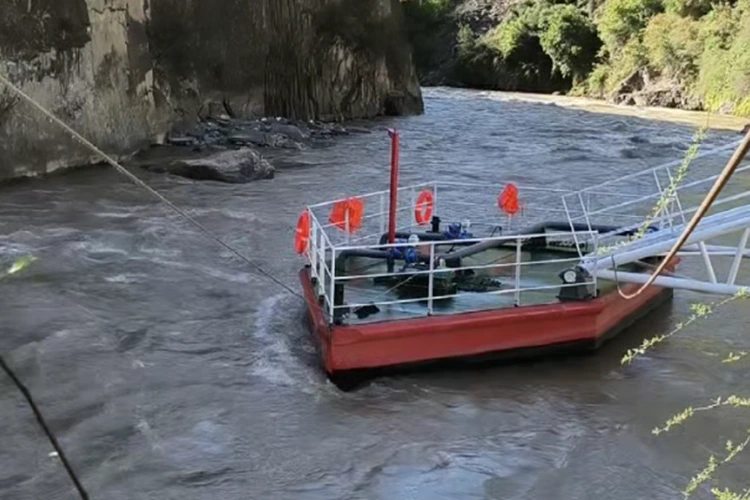
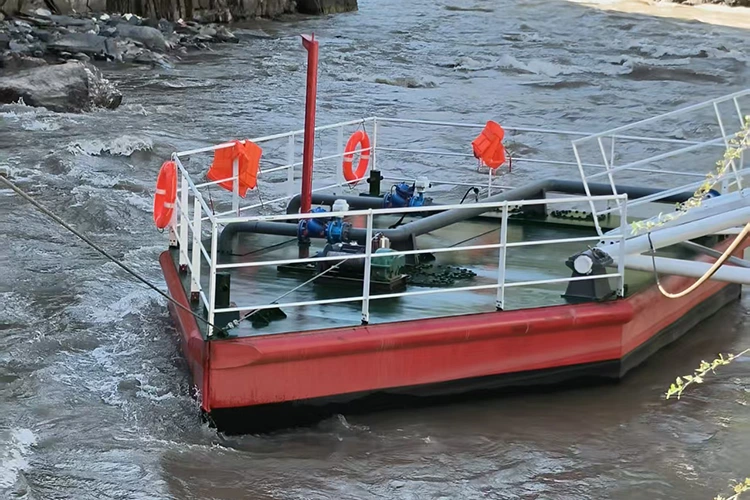
Post-Natural Disaster Water Supply Pumping Station
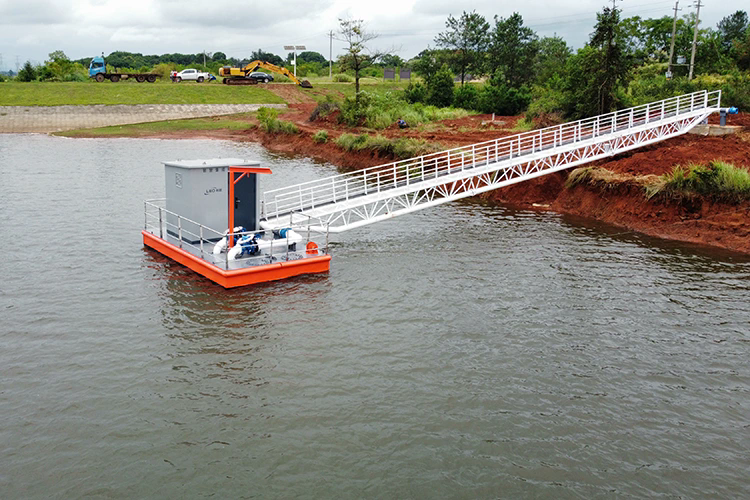
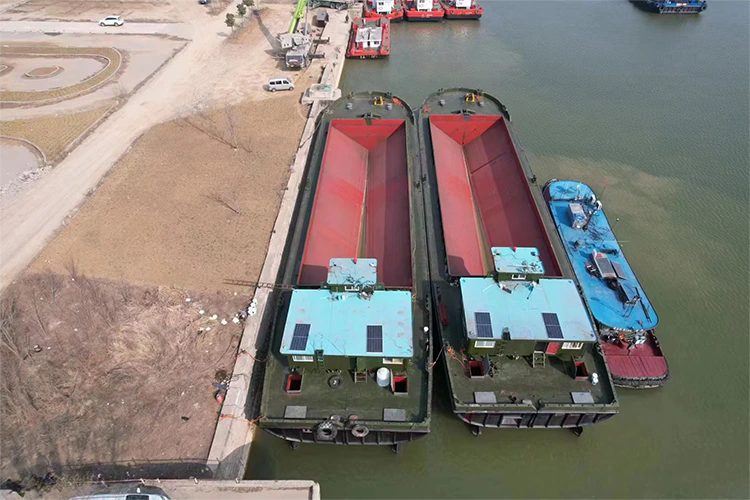
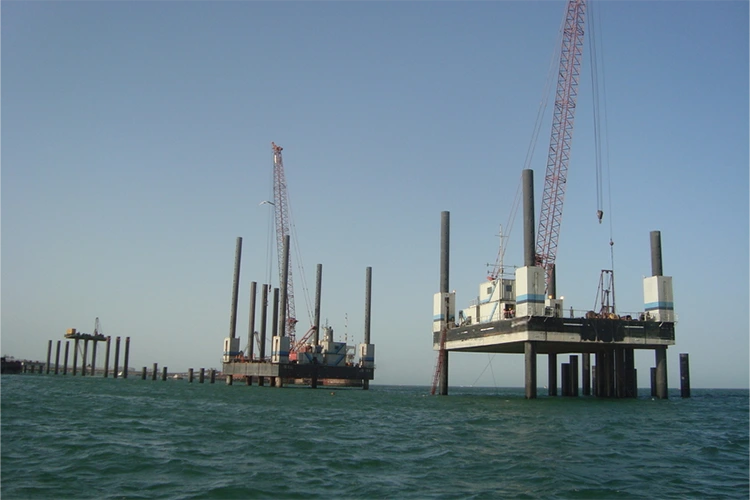
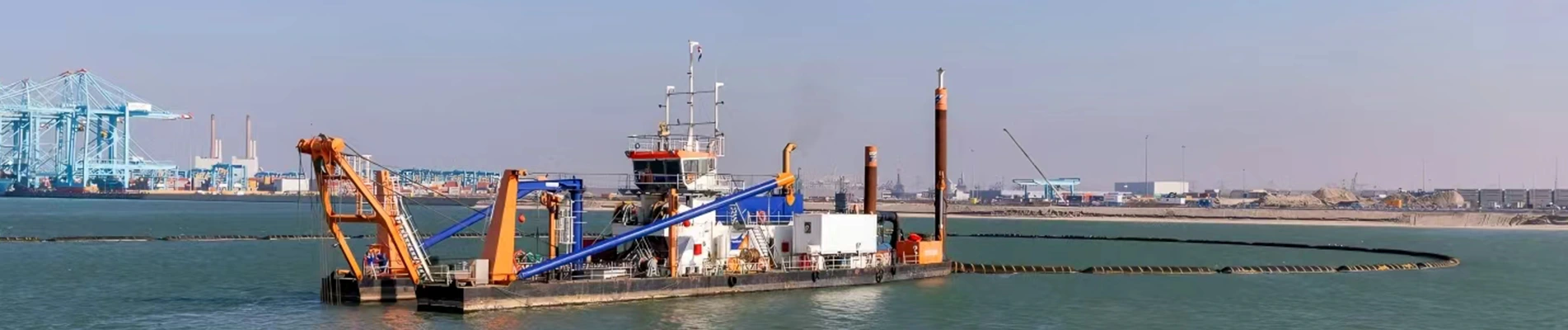
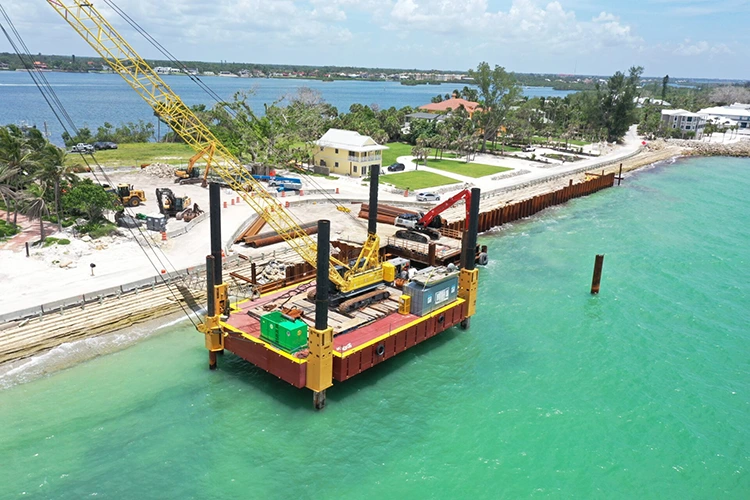
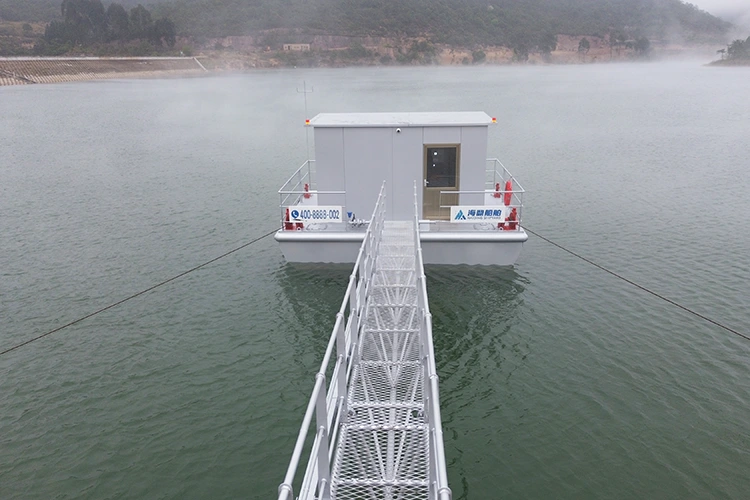
The Post-Natural Disaster Water Supply Pumping Station offered by HAIDING SHIPYARD, a professional manufacturer from China, is suitable for applications such as damaged infrastructure after natural disasters, emergency rescue, temporary water supply, and post-disaster reconstruction. It adopts standardized modular floating units that can be transported to the project site through conventional transportation methods and assembled and commissioned according to project conditions.
After a natural disaster, existing water intake and water supply facilities may be damaged, while site conditions may also change due to fluctuations in water levels, sediment, and transportation conditions. HAIDING SHIPYARD factory’s Post-Natural Disaster Water Supply Pumping Station focuses on rapid deployment, floating water intake, and modular manufacturing, enabling temporary water intake and water supply capabilities to be established for complex water source environments. For projects that need to restore water transmission as quickly as possible, equipment structure, transportation methods, and on-site installation conditions need to be comprehensively confirmed before procurement rather than selecting equipment based solely on fixed specifications.
Product Advantages
1. Modular Structure
The equipment adopts modular floating units that can be separated for transportation according to equipment specifications and transportation conditions and then assembled on site. For construction locations without convenient waterway transportation, the modular approach can also reduce transportation limitations associated with moving large integrated equipment into the project site.
Key features include:
Standardized modular manufacturing for convenient transportation and on-site installation.
Module combinations can be adjusted according to equipment dimensions and project conditions.
Supports road, rail, and sea transportation.
Commissioning is carried out after on-site assembly.
This structure is particularly suitable for engineering projects that require equipment to be transported from the manufacturing base to temporary operating areas.
2. Floating Water Intake
Water level changes are an important consideration for temporary water intake projects after natural disasters. The floating structure can adjust the water intake position with changes in the water surface, making the water intake system less dependent on a fixed water level.
Post-Natural Disaster Water Supply Pumping Station draws water from relatively upper areas of the water body, helping reduce the impact of bottom sediment and some debris on the water intake process. For different water bodies such as rivers, lakes, and reservoirs, the specific water intake solution still needs to be determined according to actual water depth, water level, and water conditions.
3. Flexible Deployment
Compared with fixed water supply facilities, temporary engineering equipment places greater emphasis on transportation, installation, and subsequent relocation. The modular design provides more flexible deployment options at the project site and also facilitates the adjustment of equipment locations or transportation plans according to different project stages.
Parameter Information
|
Item |
Details |
|
Product Type |
Post-Natural Disaster Water Supply Pumping Station |
|
Structure |
Modular floating structure |
|
Main Applications |
Emergency rescue, temporary water supply, post-disaster reconstruction |
|
Water Intake Method |
Floating water intake |
|
Transportation Methods |
Road, rail, sea, etc. |
|
On-Site Installation |
Supported |
|
Customized Design |
Supported |
|
Technical Support |
Supported |
|
Installation Guidance |
Supported |
|
Quality Documentation |
Available according to project requirements |
Post-Disaster Applications
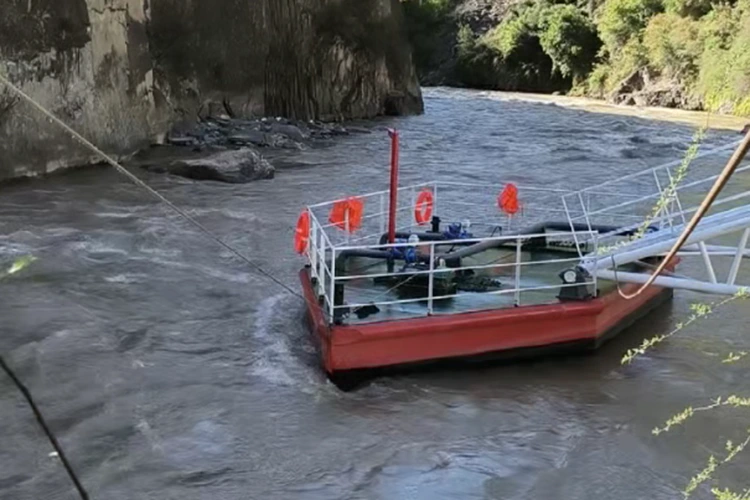
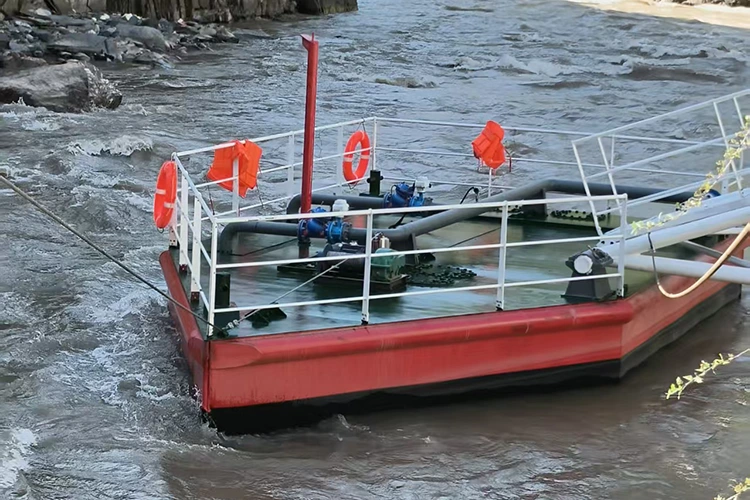
Water supply issues caused by natural disasters are usually highly phased. Some areas need to restore water transmission capabilities immediately, while others require temporary water supply during infrastructure repair.
1. Emergency Rescue
Floods, earthquakes, and other natural disasters may affect existing water supply facilities. During the emergency response stage, available local water sources can be used to establish temporary water intake and transmission systems to provide temporary water supply support for rescue areas.
2. Temporary Water Supply
Suitable for situations where permanent water supply systems have not yet been restored and temporary water transmission capabilities are required at the project site. Specific equipment configurations need to be confirmed according to the local water source, equipment dimensions, and project requirements.
3. Post-Disaster Reconstruction
Post-disaster reconstruction usually involves multiple stages, including site clearing, repair, and infrastructure restoration. The temporary pumping station can undertake transitional water supply tasks before permanent facilities are restored and can be adjusted according to project progress.
4. Other Applications
In addition to post-disaster projects, Post-Natural Disaster Water Supply Pumping Station is also suitable for engineering environments that require temporary water intake capabilities, including certain emergency rescue operations, drought mitigation, and phased water supply projects.
Water Intake Design
For post-disaster projects, water levels, sediment, and floating debris may all affect normal water intake. The value of the floating water intake method is that it reduces the limitations these factors may impose on equipment positioning.
1. Water Level Adaptability
The floating structure of the Post-Natural Disaster Water Supply Pumping Station can move up and down with changes in water level, maintaining a relatively stable water intake position within a certain range. Compared with fixed-height water intake structures, this design is more suitable for temporary engineering environments with significant water level fluctuations.
2. Reduced Sediment Impact
Keeping the water intake position in the upper part of the water body can reduce the likelihood of bottom sediment directly entering the water intake system. For projects with significant sediment issues, the water intake configuration still needs to be further confirmed based on specific water quality and site conditions.
The following factors should be confirmed:
1. Type and location of the water source.
2. Normal water level and possible water level fluctuations.
3. Sediment and floating debris conditions in the water body.
4. Equipment installation location.
5. Water intake and water transmission direction.
6. On-site transportation and construction conditions.
Note: The more complete this information is, the more helpful it will be in determining the equipment structure and installation method suitable for the project.
Transportation Methods
Post-Natural Disaster Water Supply Pumping Station adopts a modular structure, allowing an appropriate transportation method to be selected according to equipment specifications and project location.
1. Land Transportation
The following methods can be used:
Road Transportation — Transported by truck.
Rail Transportation — Transported by train.
Our factory has the manufacturing capability to divide large engineering vessels into modular components and, when waterway transportation is unavailable, transport engineering equipment to the construction site by road or rail for subsequent assembly and implementation.
2. Sea Transportation
Sea transportation methods include:
● Complete vessel voyage
● Tugboat towing
● Semi-submersible vessel transportation
The final transportation method needs to be confirmed according to the equipment type, transportation distance, and project location.
Why Choose HAIDING SHIPYARD?
Manufacturing Capability
When selecting temporary water supply engineering equipment, manufacturing capability, engineering experience, and delivery capability are equally important. HAIDING SHIPYARD has been engaged in related manufacturing since 1993 and has a 59,400 m² production base and an engineering technical team.
Factory Capabilities
The company’s manufacturing and engineering capabilities include:
1. Manufacturing of engineering vessels and marine engineering equipment.
2. Production of modular engineering equipment.
3. Shipbuilding and marine engineering design.
4. Project quality management.
5. Equipment installation and after-sales technical support.
Products are used in lake and reservoir water intake, port construction, mining, emergency rescue, and other marine and water engineering applications.
Project Experience
Long-term engineering project experience helps suppliers address not only equipment manufacturing but also equipment transportation, on-site installation, technical documentation, and project coordination.
The company’s products have been exported to more than 132 countries or regions, providing equipment design, manufacturing, and supporting services for different overseas projects. Such cross-regional project experience can provide valuable reference for overseas emergency engineering procurement.
Customization Services
HAIDING SHIPYARD provides customized design services and can adjust equipment solutions according to the customer’s actual operating conditions, working environment, and project requirements.
For equipment with established technical parameters, the design solution can enter the confirmation stage relatively quickly. For projects with special requirements regarding dimensions, functions, or other specifications, the corresponding design schedule needs to be arranged according to the equipment size and design complexity.
Installation Support
Equipment delivery involves more than transporting the equipment to the site; it also includes installation, commissioning, and subsequent technical support.
We can arrange installation engineers to provide technical guidance according to equipment size and project site conditions. For certain complex equipment, professional installation personnel can also be provided for on-site support.
At present, 1–3 installation engineers can be arranged according to project requirements. The company also has 12 global installation teams to provide on-site installation and technical service support for overseas projects.
FAQ
Q: What types of post-disaster projects is the Post-Natural Disaster Water Supply Pumping Station suitable for?
A: It is mainly designed for emergency rescue, temporary water supply, and post-disaster reconstruction after natural disasters. It can also be used for certain drought mitigation and other phased water intake projects. Actual suitability needs to be confirmed according to the site water source, installation conditions, and equipment configuration.
Q: Can the equipment be customized according to site conditions?
A: Yes. We can design the equipment according to the project application, equipment dimensions, operating environment, and site conditions. For projects with special dimensions or functional requirements, detailed technical requirements need to be confirmed before procurement.
Q: What are the advantages of the modular structure?
A: The modular structure makes it easier to divide the equipment for transportation and assemble it at the project site. For construction locations with limited road or waterway access, this approach can improve transportation and deployment flexibility.
Q: What transportation methods are available for the equipment?
A: Depending on equipment specifications and project location, road, rail, and sea transportation can be used. For certain large engineering equipment, transportation solutions can also be developed using towing or semi-submersible vessels.
Q: How long does on-site installation take?
A: Some standardized configurations can complete on-site assembly and commissioning within 3–5 days. However, the actual schedule depends on equipment model, dimensions, transportation arrival time, and site construction conditions. The final schedule should be based on the specific project plan.
Q: Can overseas on-site installation support be provided?
A: Yes. Depending on equipment size and project conditions, 1–3 installation engineers can be arranged to provide on-site support and work with global installation teams to complete installation and commissioning.
Q: Do you support OEM and customization?
A: Yes. Customized design is available according to the customer’s specified application conditions, dimensions, functions, and standards. For equipment with special specifications, the design schedule needs to be confirmed according to the complexity of the specific project.
Related Category
Send Inquiry
Contact Info
-
Address
No. 8888, Wanhong Avenue, Huanglou Sub-district, Qingzhou City, Weifang City, Shandong Province, China
-
Tel
-
Email
Looking to buy a dredger, tugboat or custom engineering vessel? Send your requirements to HAIDING SHIPYARD for product details, technical consultation and a competitive shipbuilding quotation.
Related Products
News Recommendations